As Diesel Costs Drive Sharp Rise in Farm Bankruptcies, Concerns Mount Over Lack of Transparency Regarding Foreign Policy Expenditures
The High Cost of Silence: Questions Mount Over Potential Iran Agreement and Economic Strain
As reports of a secret financial arrangement surface, critics warn that the intersection of foreign policy and domestic economic instability is hitting American families where it hurts most.
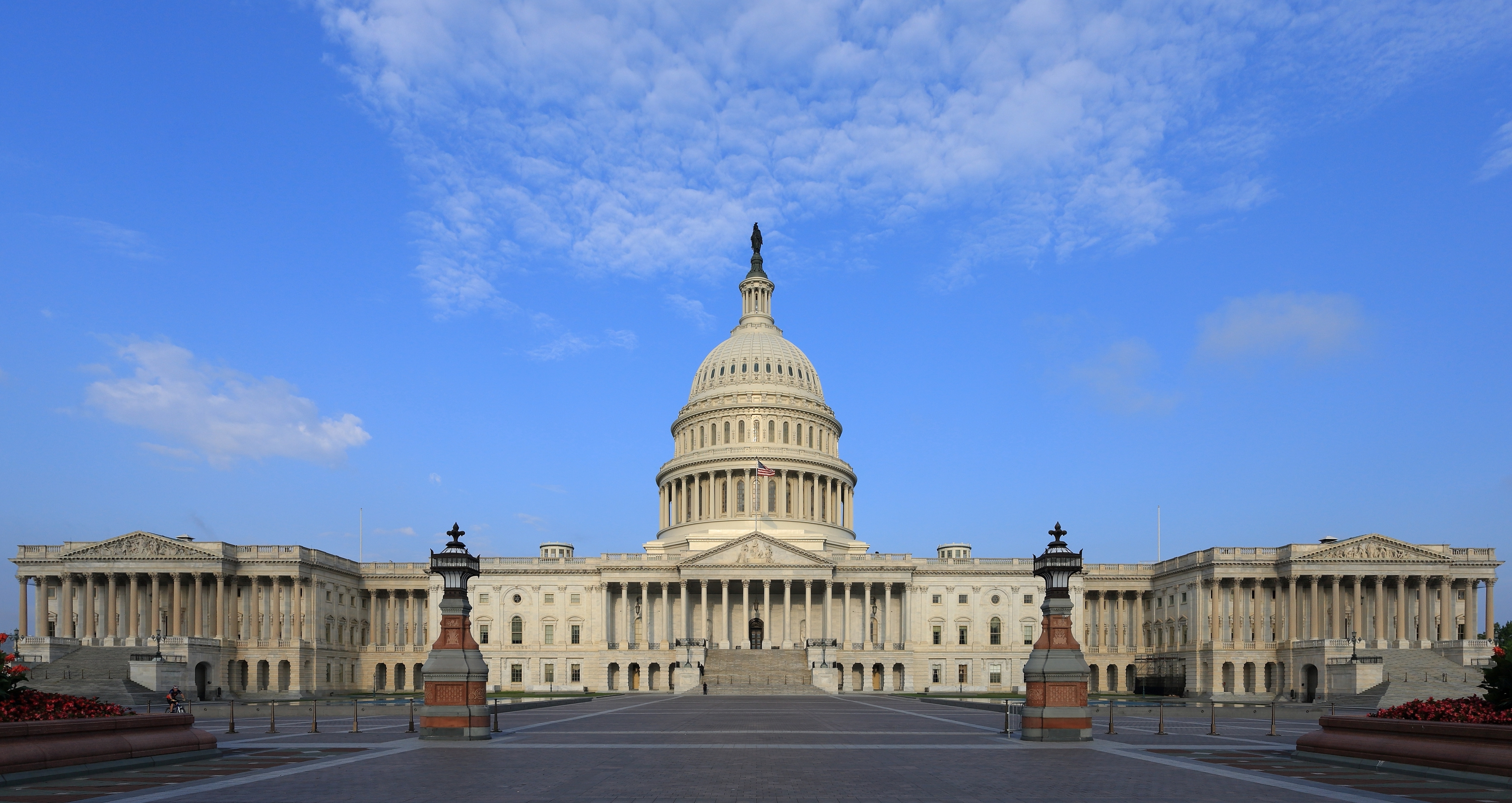
A growing firestorm in Washington centers on allegations of a clandestine financial arrangement with Iran, a deal that critics suggest prioritizes international logistics over domestic stability. At the heart of the controversy is a purported agreement to pay billions of dollars to ensure the reopening of the Strait of Hormuz. While the administration has yet to provide full documentation, the mere existence of these reports has ignited a fierce debate about the limits of executive power and the transparency of foreign policy spending.
For the average American, the implications of such a deal extend far beyond the complex corridors of Middle Eastern diplomacy. When large-scale federal expenditures are linked to international crises, taxpayers are left wondering how these decisions are vetted, managed, and ultimately funded. The lack of public disclosure regarding these negotiations has fueled a sense of unease among those who feel that the government’s priorities have drifted away from the concerns of ordinary citizens.
The timing of these allegations could not be more sensitive, as the country grapples with a distinct cooling of economic optimism. Across the American heartland, the agricultural sector is sounding the alarm, reporting a dramatic spike in bankruptcy filings. These are not merely statistics; they represent the erosion of a way of life for families that have fed the nation for generations, now caught in a vice of rising operational costs and uncertain federal support.

Central to the frustration among farmers is the unrelenting rise in fuel costs, with diesel prices surging by 50 percent in recent months. Diesel is the lifeblood of the American supply chain, powering the tractors that harvest crops and the trucks that transport them to grocery store shelves. When fuel prices spike, the ripple effect is felt at every kitchen table in the country in the form of higher food prices and a thinner household budget.
Critics argue that the disconnect between the administration’s foreign policy maneuvering and the reality of the domestic economy is becoming impossible to ignore. While federal officials focus on international navigation and geopolitical stability, those on the front lines of the economy are struggling to keep their doors open. This perception of misplaced focus has led to a broader conversation about whether the government is effectively managing the nation’s interests at home and abroad simultaneously.
The administration, for its part, maintains that international stability is a prerequisite for a healthy domestic economy. Proponents of current foreign policy initiatives argue that securing global trade routes like the Strait of Hormuz is essential to preventing a global energy crisis that would make current fuel prices seem mild by comparison. They contend that targeted financial interventions are often the most pragmatic tool available to avoid military escalation.

However, the lack of transparency surrounding the alleged Iran deal has become a rallying point for those demanding greater accountability. When an administration keeps the details of a multi-billion dollar transaction out of the public eye, it inevitably erodes the trust necessary for a functional democracy. For many, this isn’t just about the money involved; it’s about the principle of whether the government owes the public a clear explanation for how tax dollars are leveraged in the global arena.
The broader context of these grievances suggests a nation feeling the weight of a “humiliating” string of policy outcomes. Whether regarding energy independence, international standing, or fiscal responsibility, the prevailing sentiment in many communities is that current federal strategies are not producing the results promised. This dissatisfaction is increasingly manifesting as a push for a more “America-first” approach to both trade and international relations.
As the debate moves forward, the pressure on lawmakers to provide clarity on these potential financial commitments will likely intensify. The Senate and House are expected to face mounting calls for oversight hearings to determine exactly what has been promised, to whom, and at what cost to the American taxpayer. Transparency is not just a political buzzword; it is the mechanism by which citizens hold their representatives accountable for the path the country takes.
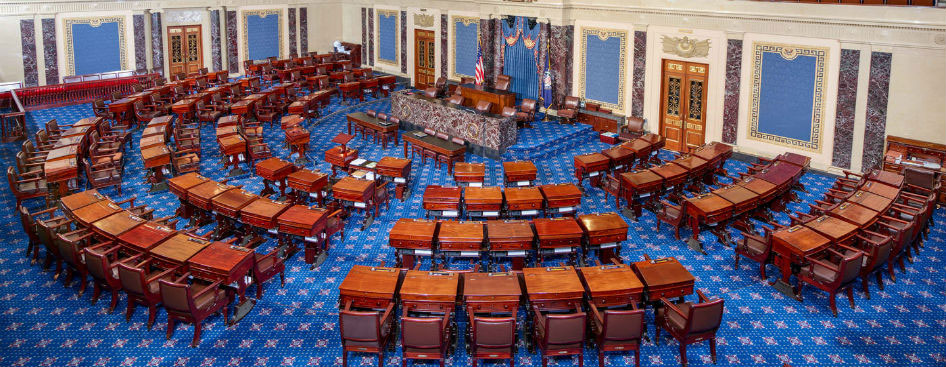
Ultimately, the intersection of soaring fuel prices, failing farms, and secret international deals highlights a growing disconnect between the capital and the country. When the average citizen cannot afford to power their equipment or fill their car, every dollar spent abroad feels like a direct hit to their own wallet. The administration faces a critical test in how it addresses these concerns, as silence on these issues only serves to deepen the divide between the government and the governed.
The path forward requires more than just policy adjustments; it requires a renewed commitment to open governance. Americans are increasingly looking for a strategy that balances global stability with the immediate, tangible needs of their own households. Until the government can bridge the gap between its foreign ambitions and the economic realities of the American public, skepticism will continue to define the national mood.
As this story develops, the focus must remain on the long-term impact of these policy choices. Whether through the lens of fiscal accountability or national security, the core questions remain: Who is being protected, who is paying the bill, and what is the ultimate price of the current status quo? The answers to these questions will define the political landscape for the months and years to come.