The Absurdity of the Modern Aisle: Why One Shopper’s Grocery Store Observation Captured a Global Audience
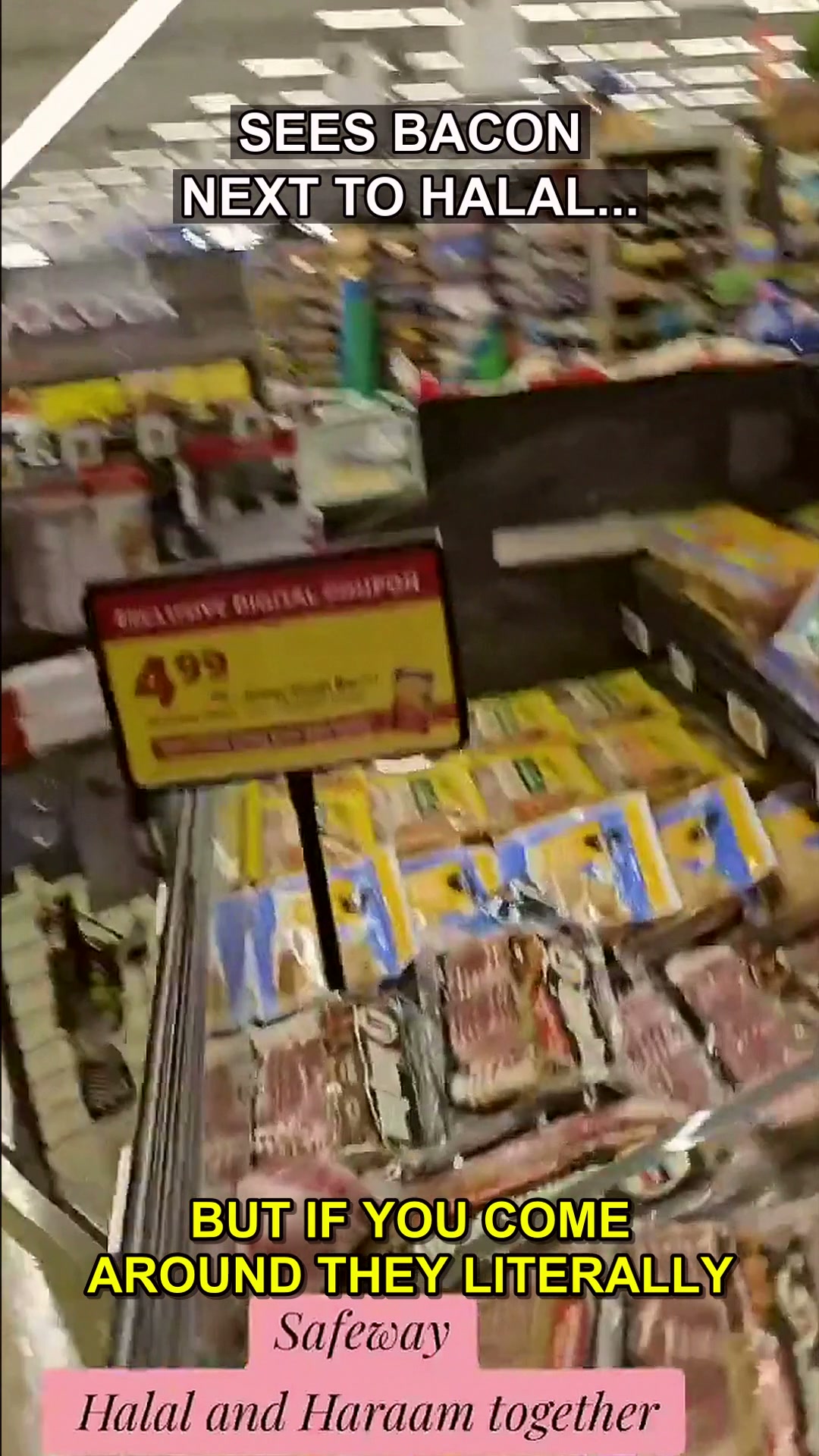
In a world of curated outrage, a simple walk past the bacon display reminds us that human connection is found in the choices we make, not the judgments we cast.
- The viral video highlights how a routine errand can become a mirror for broader societal tensions about identity and space.
- Retail environments are neutral ground, yet they often become the stage for performative outrage that ignores the reality of consumer choice.
- The real story is about the resilience of everyday life and the need for common sense in a digital age that rewards conflict over connection.
Picture this: You are navigating the fluorescent-lit maze of your local grocery store, mentally ticking off items on your list. You round the corner of a refrigerated island, and suddenly, you are confronted with the visual poetry of modern capitalism—a neatly organized section of halal-certified meats sitting in quiet coexistence with a stack of Jimmy Dean bacon boxes.
For one shopper, this sight was not just a mundane reality of supply chain logistics. It was an injustice that needed to be “called out.” The video, now circulating across social platforms, captures a moment of genuine bewilderment. How dare a store cater to two distinct demographics simultaneously? How dare the free market operate without a strict ideological boundary between the bacon and the beef?

The irony, of course, is thick enough to spread on toast. The very same shopper who applauds the halal section for its authenticity is horrified that a pork product exists merely a few feet away. This is the paradox of the curated outrage economy. We demand that businesses acknowledge our specific cultural needs, but we recoil when they acknowledge the needs of others who do not share our table.
The Double Standard of the Shopping Cart
Let’s break down the scene with the cold precision of a butcher slicing a ribeye. Safeway, like every major retailer, operates on a simple principle: maximize shelf appeal for the maximum number of people. They do not care if you pray five times a day or if you grill bacon on Sundays. They care about the transaction.
To the casual observer, this is not a scandal. It is a testament to the beautiful, messy, and often contradictory nature of a pluralistic society. We live in a world where a person can buy a box of matzo, a jar of kimchi, and a frozen pizza in the same trip without a second thought. Yet, when the visual proximity of halal and pork triggers a reaction, it says less about the store and more about the viewer’s inability to process coexistence.
“The supermarket is the ultimate democracy. It doesn’t ask your religion before it stocks the shelves—it only asks if you have the currency to pay.”
The video ignites a familiar debate. Is this a case of cultural insensitivity, or is it a manufactured grievance looking for a platform? The individual filming seems to be searching for a villain in a place where none exists. The true absurdity is the expectation that a public commercial space should rearrange its inventory to shield one customer from the sight of a product they personally avoid.

The Unspoken Rules of the Shared Space
This incident forces us to confront the unwritten rules of engagement in our daily lives. When we step into the public square—or the grocery aisle—we agree to a social contract. That contract does not guarantee that our eyes will only fall upon objects that align with our personal beliefs. It guarantees that we have the freedom to choose what we buy and what we ignore.
The shopper in the video is not a victim of a corporate conspiracy. They are a witness to diversity. The halal section exists because there is a demand. The bacon exists because there is a demand. The only conflict occurring is the one inside the mind of the person holding the camera, who seems to believe that their discomfort should dictate the shopping experience of everyone else.
This is where the conversation shifts from a viral clip to a commentary on human resilience. The resilience is not found in the outrage, but in the everyday shoppers who ignore the drama and simply grab what they need. They are the ones who understand that sharing a planet—and a refrigerator aisle—requires a level of tolerance that transcends the contents of one’s plate.
The Verdict on the Viral Moment
There is no legal precedent here, no court ruling to analyze. The only precedent is the timeless one of common sense. We are seeing a generation of people who are so accustomed to having their sensibilities catered to online that they are shocked when the physical world refuses to comply.
The video ends with the shopper walking away, presumably still agitated, leaving the bacon and the halal chicken to sit in their respective trays. The silence after the video is the real answer. No one is forcing anyone to buy anything. The store is simply a mirror, and for some, the reflection is a difficult one to face.
It is a sobering reminder that the world does not revolve around a single narrative. It is a chaotic, overlapping tapestry of traditions, diets, and choices. The sooner we accept that the grocery store is not a battleground but a buffet of options, the sooner we can get back to the actual business of living—which, ironically, requires far less commentary and far more eating.