The $2,000 Question: Can an Airline Really Ground You Over a Pronoun Dispute?
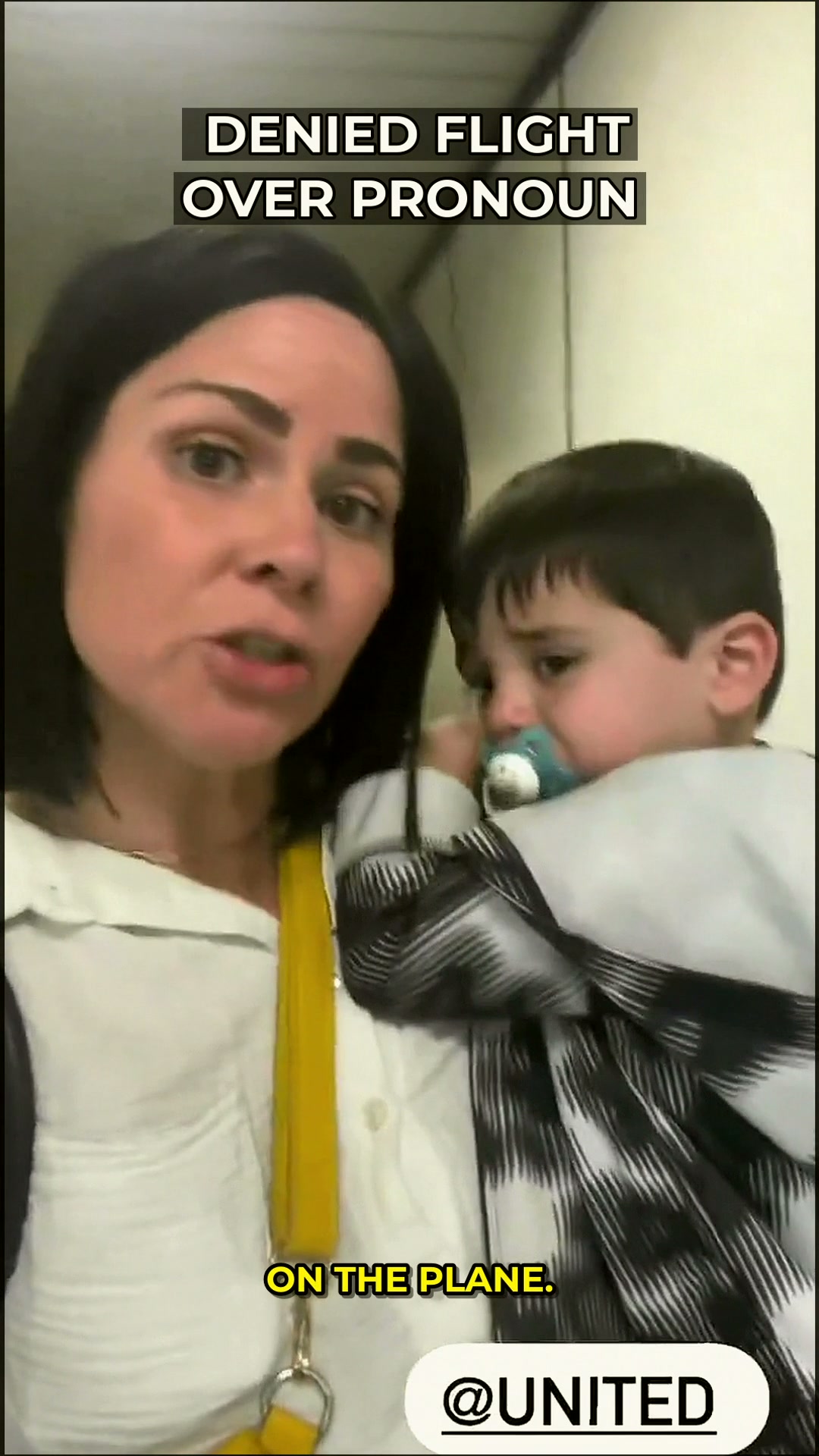
A mother and her 16-month-old son were barred from boarding. The reason cited? A disagreement over language. Here is what the airline doesn’t want you to know about your rights.
- Airlines operate as private carriers with broad discretion to refuse service, but that discretion is not absolute.
- If you are denied boarding, you may be entitled to financial compensation, but only if you know the exact language to use at the gate.
- Documentation is your only leverage. Without a paper trail, your word means nothing in a dispute.
Picture this: you are at the gate, holding a 25-pound toddler who is getting restless. You have survived security, the overpriced snacks, and the delays. Then, a single conversation goes sideways. Before you know it, the door is closed. You are not getting on that plane.
That is the reality one mother claims she faced on a United flight. She states that a flight attendant took issue with the pronouns she used during a conversation. The result? She and her infant son were denied boarding priority and eventually blocked from the aircraft entirely.
She stood there, carrying her child for over thirty minutes, watching the plane leave without them. The question burning in her mind is the same one that should be burning in yours: Can they actually do that?
The Fine Print That Binds You
Here is the part that stings. When you buy a plane ticket, you are not just buying a seat. You are signing a contract. It is called the Contract of Carriage, and it is buried deep in the airline’s website, written in legal jargon that would put a insomniac to sleep.
That contract gives the airline immense power. They can refuse to transport you if they believe your behavior is disruptive, abusive, or threatening. The definition of those terms is often left intentionally vague. This vagueness is where disputes like this one explode into reality.
In this specific incident, the mother claims the accusation was about a “derogatory comment” related to pronoun usage. Whether it was a misunderstanding or a policy applied too aggressively, the result was the same: a family was stranded.
The Financial Fallout of a Grounded Flight
When the plane door closes without you, the financial clock starts ticking. You are now responsible for missed connections, hotel rooms, meals, and lost wages from work. In this case, the mother was traveling with an infant. That means diapers, formula, and a disrupted sleep schedule that will haunt the next 48 hours.
If the airline determines that you were removed for a safety or policy violation, they will not pay for any of it. They will point to the contract and walk away. You are left holding the bag, which in this case, also happens to be a crying toddler.
“The rules are applied by humans, and humans make mistakes. The difference between a mistake and a nightmare is often just a matter of how well you document the moment.”
This is where consumer rights come into play. If the airline claims you were removed for a policy violation, they must provide evidence. If they cannot, you may have grounds for a breach of contract claim. The burden of proof is not as one-sided as the airline would like you to believe.

The Legal Precedent: What Courts Have Said
Courts have historically sided with airlines when it comes to safety decisions. A pilot or crew member has final authority in the air. However, the ground is a different story. When a passenger is denied boarding before the aircraft door closes, the legal landscape shifts.
Precedent suggests that airlines cannot discriminate based on race, gender, or national origin. But what about a dispute over language? That falls into a gray area. If the airline’s reaction was disproportionate to the alleged comment, they may be exposed to liability for emotional distress and financial damages.
In cases where passengers are removed without clear cause, airlines have settled out of court to avoid the negative publicity. This is not about winning a lawsuit; it is about the cost of defense. Often, the mere threat of legal action is enough to force a re-evaluation.
If you find yourself in this situation, do not argue at the gate. It will not work. Instead, ask for a written reason for the denial. Ask for the supervisor’s name. Ask for a copy of the incident report. Every piece of paper is a weapon if you decide to fight back later.

Your Move: The Unspoken Strategy
The mother in this video was left standing on the jet bridge, holding her son, with no recourse in the moment. But the moment is not the end. The follow-up is where the battle is won or lost.
She has the video. She has the timeline. She has the visual of a 25-pound child in her arms. That is powerful evidence. If she files a complaint with the Department of Transportation, the airline is required to respond. If she escalates to small claims court for the cost of the ticket and incidental damages, the airline must send someone to represent them. That costs them more than the ticket is worth.
Common sense dictates that a conversation about pronouns should not result in a stranded family. But common sense left the building the moment the accusation was made. What remains is the contract, the evidence, and the willingness to push back.
The question is not whether the airline can do this. They can. The question is whether they can do it without consequence. That answer is entirely up to you.
