The Hidden Legal Loopholes That Could Drain Your Savings When Private Disputes Turn Financial
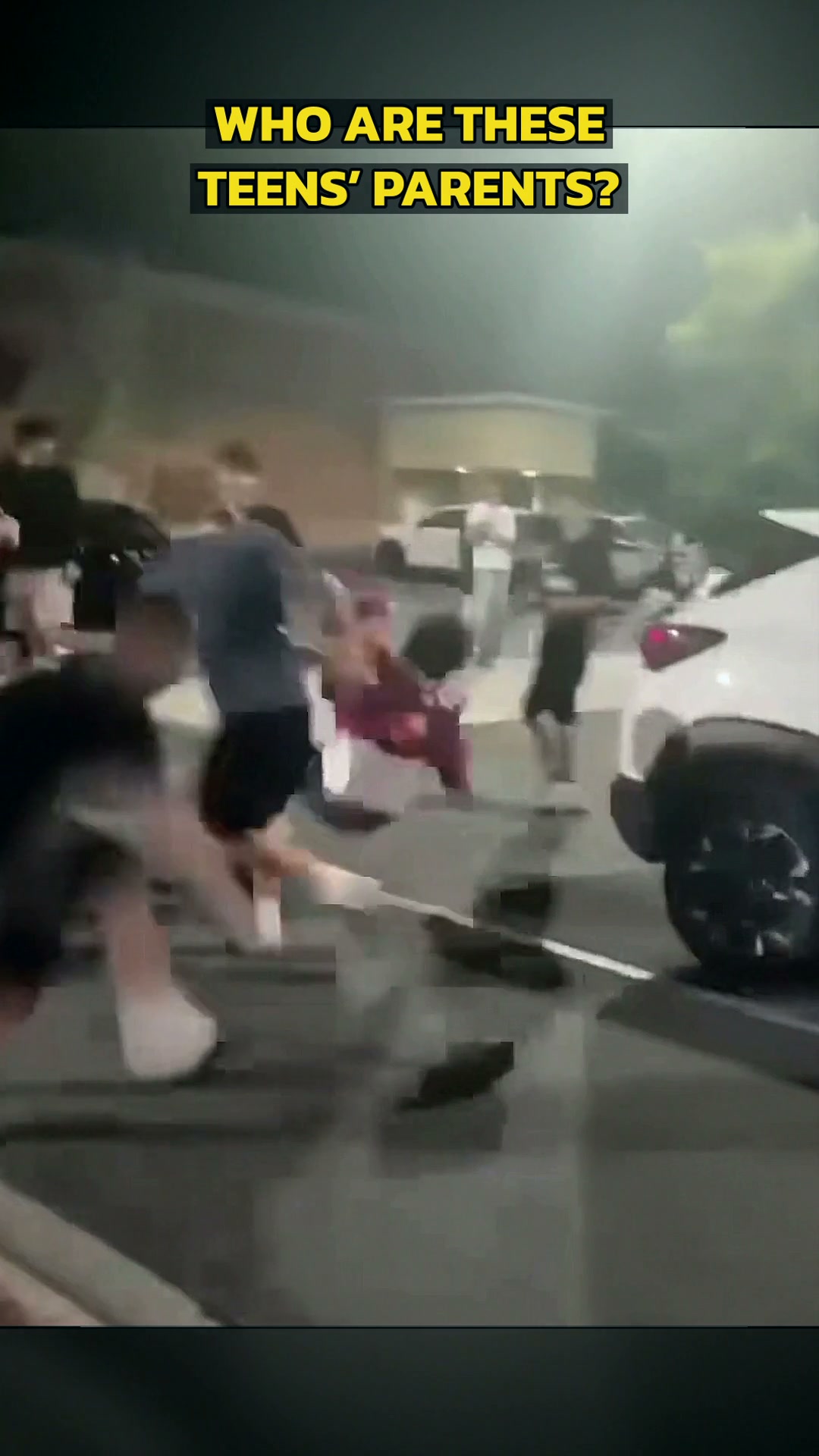
When a routine parking disagreement erupts into a high-stakes legal standoff, the financial fallout exposes a terrifying lack of consumer protection for ordinary Americans.
Imagine pulling into your assigned parking spot after a grueling twelve-hour shift, only to find a stranger’s vehicle parked squarely in your space. You leave a polite note. The next morning, your car is gone, and a private towing company is demanding a thousand dollars in cash before they will even tell you where it is. This isn’t a hypothetical nightmare. It is a financial trap that is quietly draining bank accounts across the country, turning minor inconveniences into devastating liability crises.
The initial confrontation is rarely about the vehicle itself. It is about the sudden, jarring realization that a private entity has more control over your personal property than you do. Homeowners and renters alike are discovering that the fine print in their leases and homeowners association agreements contains clauses that authorize aggressive financial penalties without a judge’s signature.
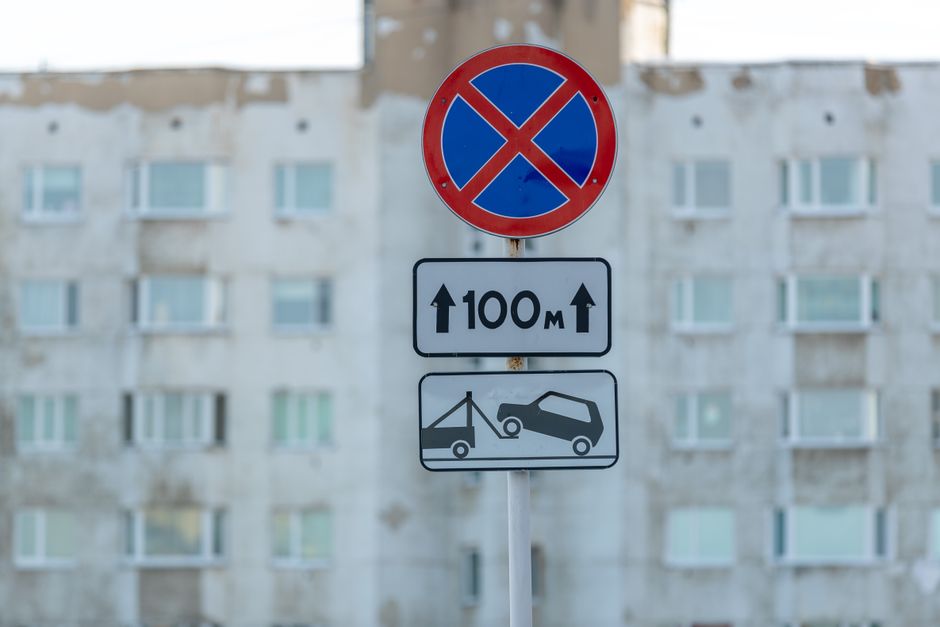
The Legal Precedent: Where Private Rules Clash With State Civil Codes
The core of this financial quagmire lies in the legal gray area between private property rights and state civil codes. When you sign a lease or purchase a home in a managed community, you are often unknowingly consenting to binding arbitration clauses that strip away your right to a jury trial. These clauses are buried deep within forty-page documents that few Americans ever read.
Legal experts point out that private towing and parking enforcement companies operate under a patchwork of state regulations that vary wildly. In some jurisdictions, a property owner can authorize a tow with nothing more than a generic sign posted at the entrance. There is no requirement to prove the vehicle was actually violating a rule. The burden of proof falls entirely on the consumer, who must pay exorbitant fees just to recover their own property.
“The consumer is presumed guilty until proven innocent, and the cost of proving innocence often exceeds the value of the vehicle itself. It is a system designed to extract maximum financial liability with zero legal accountability.”
This imbalance of power creates a fertile ground for predatory financial practices. Towing companies can tack on daily storage fees that compound rapidly, turning a two-hundred-dollar tow into a two-thousand-dollar ordeal within a week. If the consumer cannot pay, the vehicle is eventually sold at auction, and the original owner is still on the hook for the remaining balance.
The financial stakes escalate dramatically when insurance companies get involved. Many standard auto insurance policies do not cover towing fees or storage costs unless the vehicle was stolen. If the vehicle is damaged during the tow, the insurance company may deny the claim, arguing that the damage occurred during an illegal repossession or a private contractual dispute. The consumer is left holding the bag.
- Does your lease or HOA agreement contain a binding arbitration clause that prevents you from suing for wrongful towing?
- Is the private towing company legally required to provide photographic evidence of the alleged violation before removing your vehicle?
- Can your auto insurance provider deny a damage claim if the vehicle was towed without your consent from a private lot?

Civil Liability and Business Codes: Hidden Legal Risks for Local Venues
The legal exposure for local businesses and property management companies is equally staggering. While they may believe they are simply enforcing community rules, they are often unknowingly violating state civil codes that prohibit predatory towing practices. In several high-profile cases, property owners have been held financially liable for wrongful towing when the contracted enforcement company acted outside the scope of their authority.
Consumer rights advocates argue that the current system incentivizes aggressive enforcement because the penalties flow directly to the property owner or the towing company, with little to no oversight. This creates a perverse financial incentive to tow first and ask questions later. The result is a cottage industry of legalized extortion that targets vulnerable Americans who lack the resources to fight back.
“The property manager told me it was out of their hands. The towing company told me it was out of their hands. Meanwhile, my savings account is being drained and I have no car to get to work. Everyone has an excuse, but nobody has accountability.”
The financial fallout extends far beyond the initial towing fee. Consumers who attempt to challenge the charges in court often find themselves facing a legal system that is ill-equipped to handle these disputes efficiently. The cost of hiring an attorney frequently exceeds the amount in dispute, leaving many Americans with no choice but to pay the fines and move on.
Similar civil confrontations across the country are forcing community leaders and local venues to confront serious liability under state regulations. Explore the full legal breakdown of related incidents →
Consumer Protection and Financial Fallout: What Precedent Does This Set?
The long-term financial implications of this trend are deeply concerning. As more Americans find themselves trapped in these legal loopholes, the precedent is being set that private entities can impose financial penalties without meaningful judicial review. This erodes the fundamental principle of due process and shifts the balance of power decisively in favor of corporations.
Financial advisors warn that consumers must take proactive steps to protect themselves. This includes thoroughly reviewing all lease agreements for arbitration clauses, documenting all interactions with property management, and maintaining comprehensive records of any disputes. However, even the most diligent consumer can find themselves blindsided by a system that is designed to prioritize profit over protection.
The resolution to these disputes is rarely satisfying. Many consumers eventually pay the fines simply to stop the financial bleeding, unaware that they may have legal options to recover their losses. The lack of transparency and the complexity of the legal system ensure that only the most determined individuals ever see justice.
As these incidents continue to multiply, the question remains: who is ultimately accountable when a private contract becomes a financial weapon? The answer, for now, appears to be no one. The system continues to operate in the shadows, extracting wealth from ordinary Americans while the loopholes remain firmly in place.