The Moment a Politician Forgot the First Rule of Running for Office
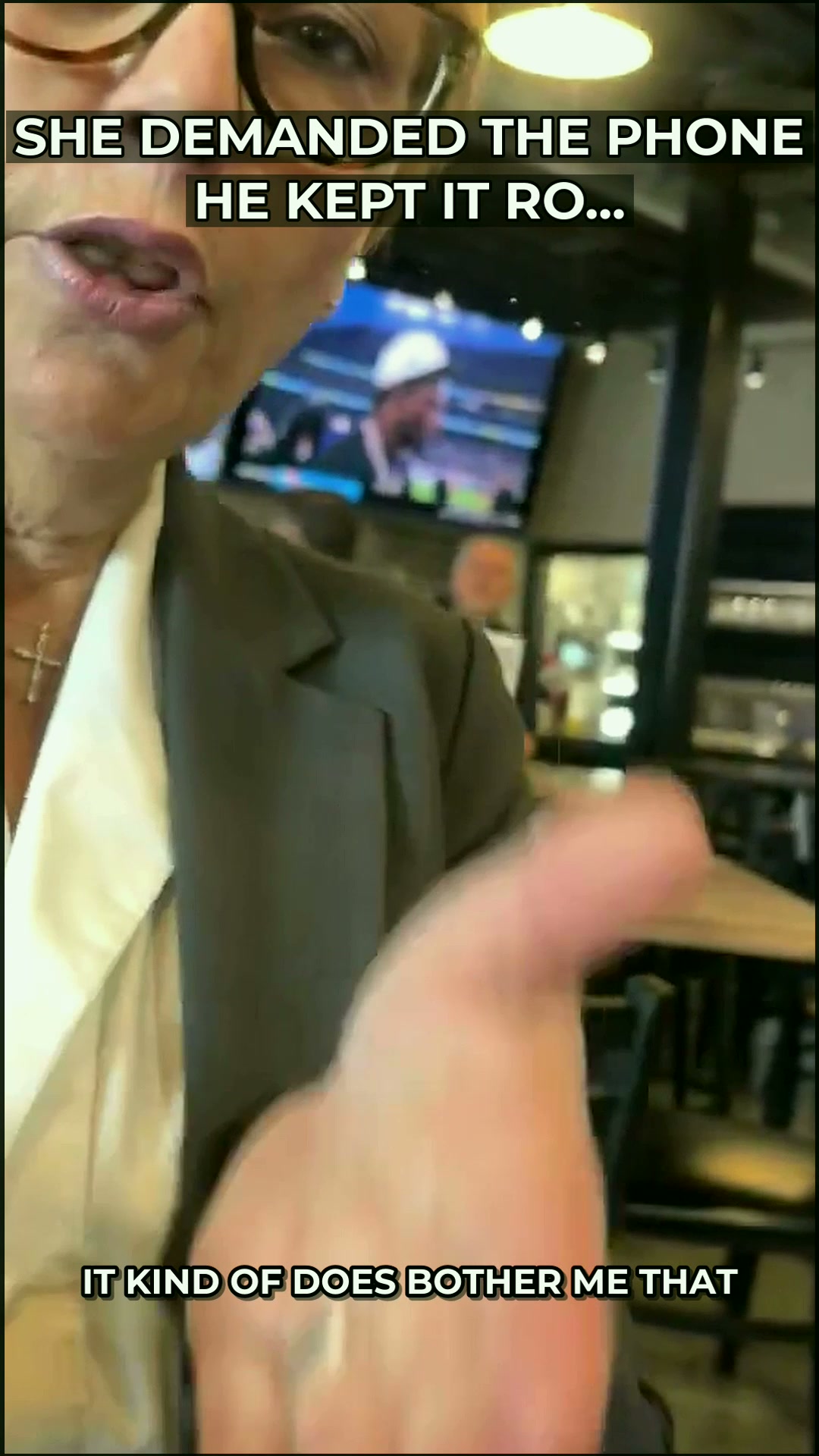
A voter’s simple question exposes the uncomfortable reality of what it means to ask for power in the digital age.
- Public events are public. Recording a candidate on the campaign trail is a protected right, not a courtesy.
- The exchange highlights a growing tension between politicians who crave visibility and the voters who hold them accountable.
- This moment is a case study in how community vigilance and basic constitutional knowledge can shift the balance of power.
The air was thick with the usual campaign trail energy—handshakes, small talk, the low hum of ambition. But for one South Carolina voter, the real action wasn’t on the stage. It was in the palm of their hand, holding a phone up to capture the moment for posterity.
The target of that lens? Darline Graham, a candidate who clearly didn’t expect the glare of accountability to be quite so literal.
“Is your phone recording me? It bothers me that you’re recording me without my permission,” Graham said, the discomfort visible in her body language.
The voter didn’t flinch. They didn’t apologize. They simply stated the obvious: “Yes, because, I mean, it’s a political event. There’s always phones recording.”
The Unwritten Contract of Public Life
Here’s the thing about running for office: you are asking to be a public servant. That means your face, your words, and your policies are no longer just your own. They belong to the electorate to scrutinize, applaud, or challenge.
Graham’s objection, captured on the very phone she was upset about, reveals a fundamental misunderstanding of the job she’s seeking. When you step into the arena, you don’t get to pick and choose when the cameras are on.
“I am honest, but I just don’t think that’s being on all of this.” — Darline Graham, reacting to a voter’s recording.
The voter, calm and collected, delivered a masterclass in civic engagement. They didn’t shout. They didn’t insult. They simply laid out the facts: “You’re on all the time. In South Carolina, you’re allowed to go in and report.”
That’s it. That’s the whole exchange. A politician confronted with the reality of transparency, and a citizen who knew their rights.
The Legal Precedent
This isn’t just a matter of politeness; it’s a matter of law. The First Amendment protects the right to gather information about public officials, and recording them in public spaces is a well-established part of that right. Courts have repeatedly affirmed that filming authorities and public figures is a form of protected speech.
For a candidate, the expectation of privacy at a public rally isn’t just legally shaky—it’s practically absurd. Every attendee is a potential journalist. Every smartphone is a potential news crew.
Graham’s final words—”All right, well, thank you”—felt less like an acceptance and more like a retreat. She ended the conversation, but the damage was done. The video is now public, and the question hangs in the air: if she’s this uncomfortable with being watched, is she ready for the scrutiny of the office she seeks?

The Community’s Silent Verdict
What makes this moment so compelling isn’t the drama—it’s the ordinariness of it. A citizen showed up, exercised their rights, and refused to be intimidated. That’s the quiet strength that keeps democracy honest.
It’s also a warning struck for every candidate who thinks the rules don’t apply to them. The public is watching, and now, they’re recording. The power dynamic has shifted. Politicians don’t just need votes; they need to earn trust in an environment where every misstep is captured.
This voter didn’t just stand up for themselves. They stood up for the principle that the people own the political process, not the other way around.
And that’s the unedited truth. The camera wasn’t the problem. The discomfort with accountability is.
