The Uncomfortable Question at a Portland Sports Bar: When a Shirt Becomes a Flashpoint
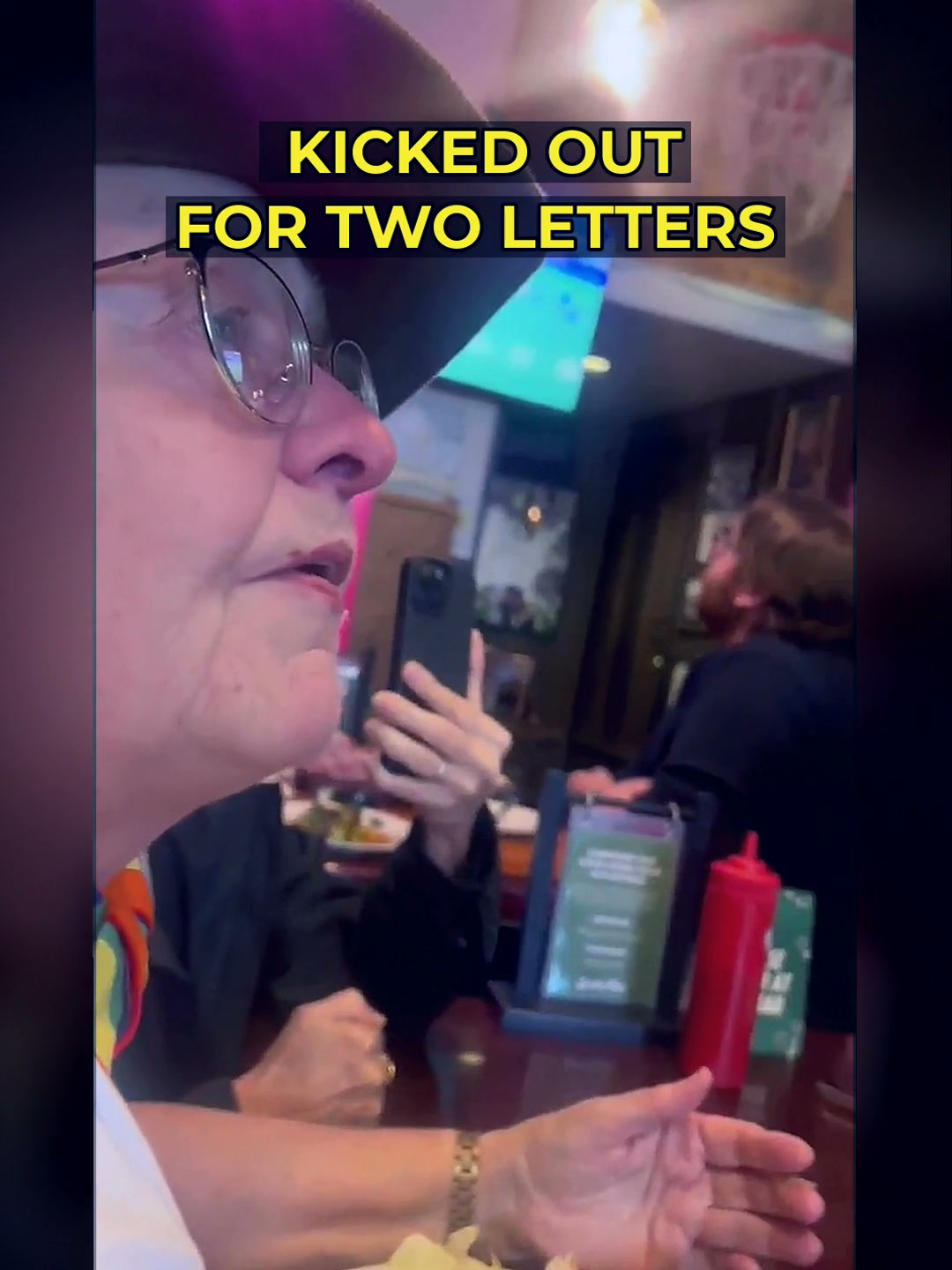
One group’s casual night out turned into a public dispute over biology, belonging, and the limits of tolerance in a community that prides itself on acceptance.
- The incident exposes a raw nerve in Portland’s community dialogue about gender and free speech.
- The staff’s initial admission reveals a pattern of reactive decision-making based on public pressure rather than policy.
- This moment highlights the growing challenge of balancing individual expression with collective comfort in public spaces.
The evening started like any other. A group of friends walks into a bustling sports bar in Portland, ready to catch a game and unwind. Within minutes, the atmosphere shifts. A staff member approaches their table, not with a drink order, but with an ultimatum that would turn a simple outing into a viral moment.
The shirts were simple. A bold genetic marker printed across the chest: XX/XY. For the group, it was a statement of biological fact. For other patrons, it was a provocation. The staff member, caught between customer complaints and the group’s insistence on their right to wear the shirts, found themselves in an impossible position.

“If I have to call authorities to get y’all removed, I will, but I don’t want to do that,” the staff member said, according to the video. The tone was apologetic, almost pleading. “We don’t have to do that,” a member of the group replied, their voice calm but firm. “No, what I am just asking is if you would please consider the depth.”
And there it is. The depth. What exactly does that mean in a city celebrated for its progressive values? The group argued their shirts were harmless. The staff member admitted a critical detail: “I didn’t realize it until someone… I don’t look at people’s shirts whenever you come in.” The decision was not based on a policy or a code of conduct. It was based on a complaint. A single patron’s discomfort escalated into an ejection.
The Human Story Behind the Headline
This is not a story about chromosomes. It is a story about how quickly a shared space can fracture. These are not anonymous figures on a screen. They are real people, facing each other in real time, trying to navigate a social minefield that has become a defining feature of modern American life.
For the group, the shirts were likely a symbol of a deeper conviction. For the complaining customers, they represented a denial of identity. Both sides walked into that bar with their own truths, but only one side was asked to leave. That imbalance is what makes this incident resonate.
“There’s nothing wrong with these shirts. What is wrong with these shirts?” — A member of the group, defending their clothing choice.
Portland has long prided itself on being a place where people can be themselves. Yet this incident reveals a paradox. In attempting to create a safe space for some, the bar created an exclusionary space for others. The question that lingers is not about the shirts themselves, but about the process. Who gets to decide what is acceptable? And at what point does a business owner’s discretion cross the line into discrimination?

The Fear of Getting It Wrong
Watch the video closely. The staff member is not acting with malice. They appear stressed, caught in a no-win scenario. They are trying to keep the peace, but their approach—threatening to escalate the situation—only amplified the tension. This is the reality for countless service workers today. They are the front line of a cultural conflict they never signed up for.
The group’s response was telling. They did not shout. They did not get aggressive. They asked for dialogue. “Why did you let us wire it?” one of them asks, referencing the initial seating. It is a fair question. If the shirts were so egregious, why were they allowed in? Why did it take a complaint to trigger action?
This is the uncomfortable truth about modern public life. Decisions are often made reactively, driven by the loudest voice in the room, not by a consistent set of principles. The staff member’s admission—that they never even noticed the shirts—proves the point. The offense was not inherent. It was assigned.
For the average American watching this unfold, the anxiety is palpable. If a group of friends can be ejected from a bar for wearing a shirt with a biological term, what does that mean for the rest of us? What happens when a harmless fashion choice—a logo, a slogan, a symbol—becomes grounds for removal? The fear is not hypothetical. It is playing out in real time on a grainy cell phone video.
The community reaction has been swift and divided. Some applaud the bar for taking a stand against what they perceive as a hostile message. Others see this as a dangerous overreach, a sign that the marketplace of ideas is shutting down. Social media feeds are filled with passionate defenses of both sides, each convinced they are on the right side of history.
The Unresolved Reality
What is lost in the noise is the human cost. The staff member, who likely went home that night wondering if they did the right thing. The group, who were denied service over a piece of fabric. The patrons who complained, who may have felt genuinely threatened or hurt by the message. Everyone walked away from that bar with a story, but no one walked away with a resolution.
As the video cuts out, the question hangs in the air, unanswered. The group is leaving. The bar is quiet. But the issue is far from settled. In a society that is increasingly polarized, every public space becomes a potential battleground. Every interaction carries the weight of a larger cultural war. And every citizen is forced to pick a side, whether they want to or not.
The XX/XY shirts are gone from the bar, but the debate they sparked remains. It lives on in comment sections and living rooms, in boardrooms and break rooms. It is a debate about biology and identity, about freedom and safety, about the kind of community we want to build. And it is a debate that is not going away anytime soon.