Why This Streamer’s 9th Swatting Incident Exposes the Unseen War on Everyday Life
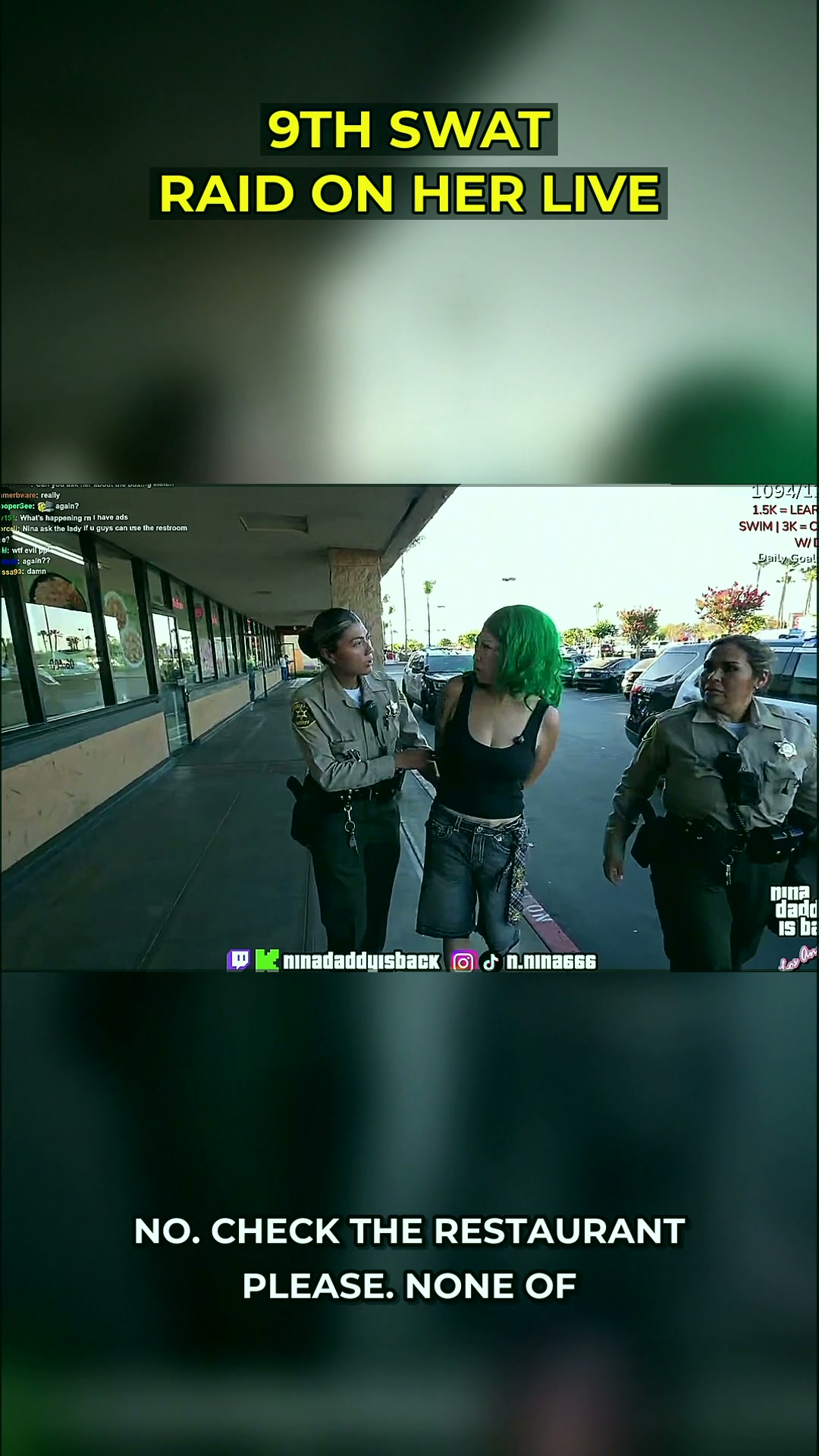
When a quiet dinner becomes a scene of chaos, the line between digital hate and real-world danger blurs beyond reason.
- This marks the ninth time this individual has been targeted by a malicious hoax designed to bring armed responders to their location.
- The incident occurred during a routine public outing, highlighting how online disputes have spilled into physical spaces.
- Community reaction has centered on the emotional toll of such repeated invasions of privacy and safety.
The laughter from the dinner table stops cold. A group of friends, mid-bite into their meals, watches as the door swings open. Armed local authorities stream in, scanning the room, shouting questions. For most people, this is a nightmare scenario. For Nina, it is just another Thursday.
This wasn’t a robbery. It wasn’t a disturbance. It was a calculated hoax—the ninth time someone has sent authorities to her location under false pretenses. The goal? To humiliate, to frighten, and to disrupt a life that is lived entirely in the public eye.
In the video, the confusion is palpable. “We’re literally eating,” she says, her voice a mixture of exhaustion and disbelief. The responders check the restrooms. They check the back. There is no threat. There never was. The only crime here is the theft of peace of mind.

The Unedited Reality of Being a Target
This isn’t a scene from a movie. It’s the new reality for creators who dare to share their lives online. Swatting—the act of filing a false report to lure a heavily armed response to an innocent person’s address—has evolved from a cruel prank into a weapon of psychological warfare.
Nina mentions this is the “fifth time this week.” Let that sink in. Five times in seven days, her safety has been compromised. Her ability to go out to eat, to shop, to simply exist in public, is now a game of roulette where the house always wins.
“They do this every other day. It’s crazy. Everywhere we go.” — Nina
The sheer frequency points to a disturbing level of obsession. This isn’t a random troll. This is a coordinated, relentless campaign designed to break someone down. It is a sobering reminder of why you should always document everything, because when the chaos starts, the truth is the only shield you have left.
What makes this story so visceral is the violation of the mundane. We all take for granted the simple act of grabbing a bite to eat. For Nina, that simple act is now a high-stakes test of nerves. Every public appearance carries the potential for a flash-mob of emergency response, all because a faceless coward typed a few words into a screen.
The Community That Refuses to Look Away
Yet, in the middle of this madness, something remarkable happens. The community watching the stream doesn’t panic. They don’t scatter. They bear witness. They document the disbelief on her face. They hear the frustration in her voice.
This shared viewing experience transforms the incident from an isolated attack into a collective moment of understanding. The chat becomes a silent jury, watching the disruption unfold, recognizing the injustice in real-time. It is a powerful display of human connection—strangers united by the absurdity and cruelty of the situation.
This is exactly why our community needs to stay vigilant. The footage isn’t just entertainment; it’s evidence. It is the unedited truth of what happens when the digital world’s dark side crashes into reality.

The Legal Precedent: When Does a Hoax Become a Felony?
While the emotional toll is immense, the legal implications are staggering. Swatting is not a prank. It is a federal crime in many jurisdictions, often carrying severe penalties because it places the public and emergency responders at risk.
However, the chase to catch these perpetrators is a game of digital hide-and-seek. They hide behind virtual private networks, encrypted apps, and stolen identities. The local authorities who respond are often just as much victims as the streamer, forced to divert resources from real emergencies to investigate a lie.
Nina’s case highlights a terrifying gap: the consequences for the victim are immediate and traumatic, but the consequences for the instigator often feel distant and theoretical. The question that hangs in the air is one of accountability. When does the digital world’s tolerance for “trolling” finally snap, and the justice system step in with the full weight of the law?
For now, the streamer is left to pick up the pieces of her evening. The food is cold. The atmosphere is ruined. The laughter is gone.

She looks at the camera, not with anger, but with a weary resignation. “Today we just call the cops,” she says, as if describing the weather. The normalization of this terror is perhaps the most chilling detail of all.
They do this all the time. Everywhere they go. And tonight, the only thing stopping the next call is the hope that the person on the other end of the line finally gets bored. But boredom seems a long way off. The dinner is over, but the siege is not.