The Traffic Stop That Divided A Nation: What A Florida Headlight Dispute Reveals About Community, Trust, And The Moments We Can’t Look Away From
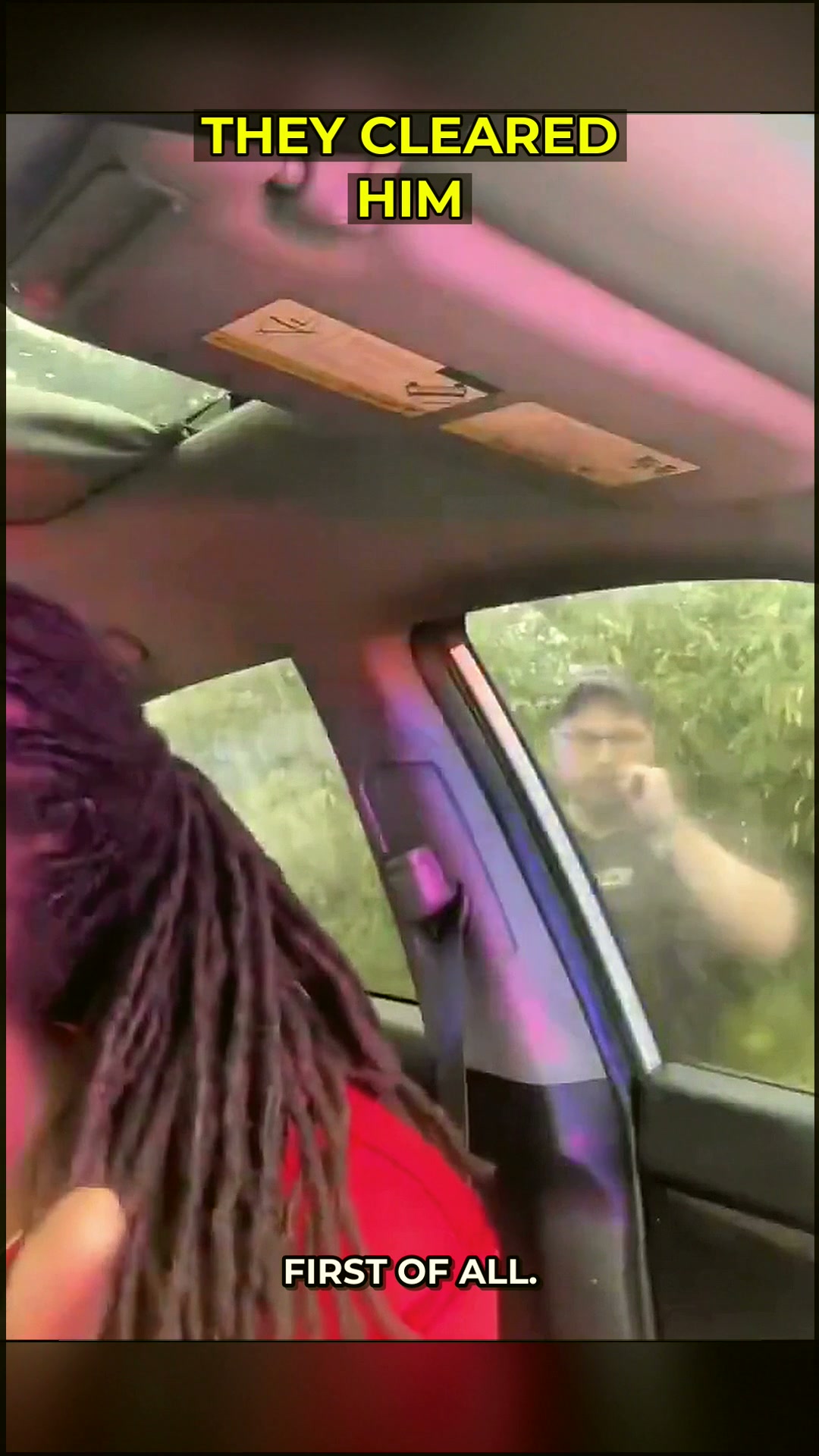
One question — “Can you pull that law up?” — turned a routine stop into a firestorm. Now prosecutors have closed the case, and the internet refuses to move on.
- Prosecutors cleared Florida Deputy D. Bowers, ruling his actions justified after William McNeil refused multiple lawful orders to exit his vehicle.
- The stop started over a disputed headlight violation — and escalated when McNeil demanded the deputy cite the law on the spot.
- The case has become a flashpoint for a much bigger conversation about accountability, common sense, and how ordinary encounters spiral out of control.
It started with something so small it barely registers on the radar of daily life. A car. A road. A headlight question. And then, in a matter of minutes, it became the kind of moment that millions of Americans would watch, rewatch, and argue about for weeks.
William McNeil was behind the wheel when Florida Deputy D. Bowers pulled him over. The stated reason: his headlights were off. McNeil’s response, captured on video, was pure instinct — the kind of pushback anyone might offer on a bad day.
“There’s multiple people’s headlights off, first of all,” he said. “And then there’s no rain.”
The deputy’s answer was calm and procedural. It didn’t matter. The law required headlights. McNeil had a follow-up question — one that would define everything that came next.

The Question That Changed Everything
“Can you pull that law up?”
It sounds reasonable. It sounds like something a curious citizen might ask. But in the middle of a traffic stop, with a deputy waiting, that question became a wall. The deputy told McNeil he could step out of the car. McNeil didn’t.
What happened next is now a matter of public record — and a matter of fierce public debate. McNeil was punched. He was dragged from his vehicle. The encounter ended with him out of the car, and with a case that would land on the desks of prosecutors months later.
“Can you pull that law up? … Yeah, when you step out of the car.”
That exchange — short, tense, almost mundane — is the hinge on which the entire story turns. One man wanted proof. One deputy wanted compliance. Neither got what they wanted in the way they wanted it.
The Verdict Nobody Saw Coming — And Everyone Expected
When prosecutors reviewed the case, they reached a conclusion that surprised some and infuriated others. Deputy Bowers was cleared. His actions were ruled justified.
The reasoning was straightforward. McNeil had been given multiple lawful orders. He refused them. In the eyes of the law, that refusal — not the headlight — was the moment the stop changed character.
But for millions of people watching the footage, the law and the feeling don’t line up. And that gap is exactly why this story won’t die.
Why This Moment Belongs To All Of Us
Strip away the headlines and the hot takes, and what’s left is something deeply human. A man who felt singled out. A deputy doing a job that requires split-second judgment. A community watching two strangers collide over a rule neither of them wrote.
This isn’t really about headlights. It never was. It’s about what happens when trust between ordinary people and the systems around them runs thin — when a simple question feels like a challenge, and a simple instruction feels like a line in the sand.

Every driver knows the feeling. The flicker of irritation when you’re pulled over. The instinct to argue your case. The quiet calculation of whether to push back or just comply. Most of the time, it ends with a warning and a sigh. This time, it didn’t.
And that’s what keeps people coming back to the video. Not because they know McNeil or Bowers. But because they can see themselves in both of them.
“Common sense and basic respect are truly disappearing these days — and moments like this show exactly what it costs when they do.”
The Legal Precedent That Echoes Far Beyond Florida
Prosecutors didn’t just close a case. They sent a signal. In Florida — and in states that look to similar rulings — the message is clear: lawful orders during a traffic stop are not suggestions. Refusing them changes the entire legal landscape of the encounter.
That precedent matters because it ripples outward. It shapes how deputies are trained. It shapes how cases are prosecuted. And it shapes what everyday Americans should expect the next time they see flashing lights in their rearview mirror.
The unedited truth is uncomfortable. The law doesn’t care how reasonable your question feels in the moment. It cares whether you complied. And that reality is now stamped into the public record.
For McNeil, the case is closed. For Bowers, the ruling is a career-defining clearance. But for the rest of us, the question lingers — the same one that’s been asked in group chats, at kitchen tables, and in comment sections across the country.
What would you have done?
And more importantly — what will you do the next time it’s your window being knocked on?