The Uncomfortable Question at the Heart of an East London Confrontation
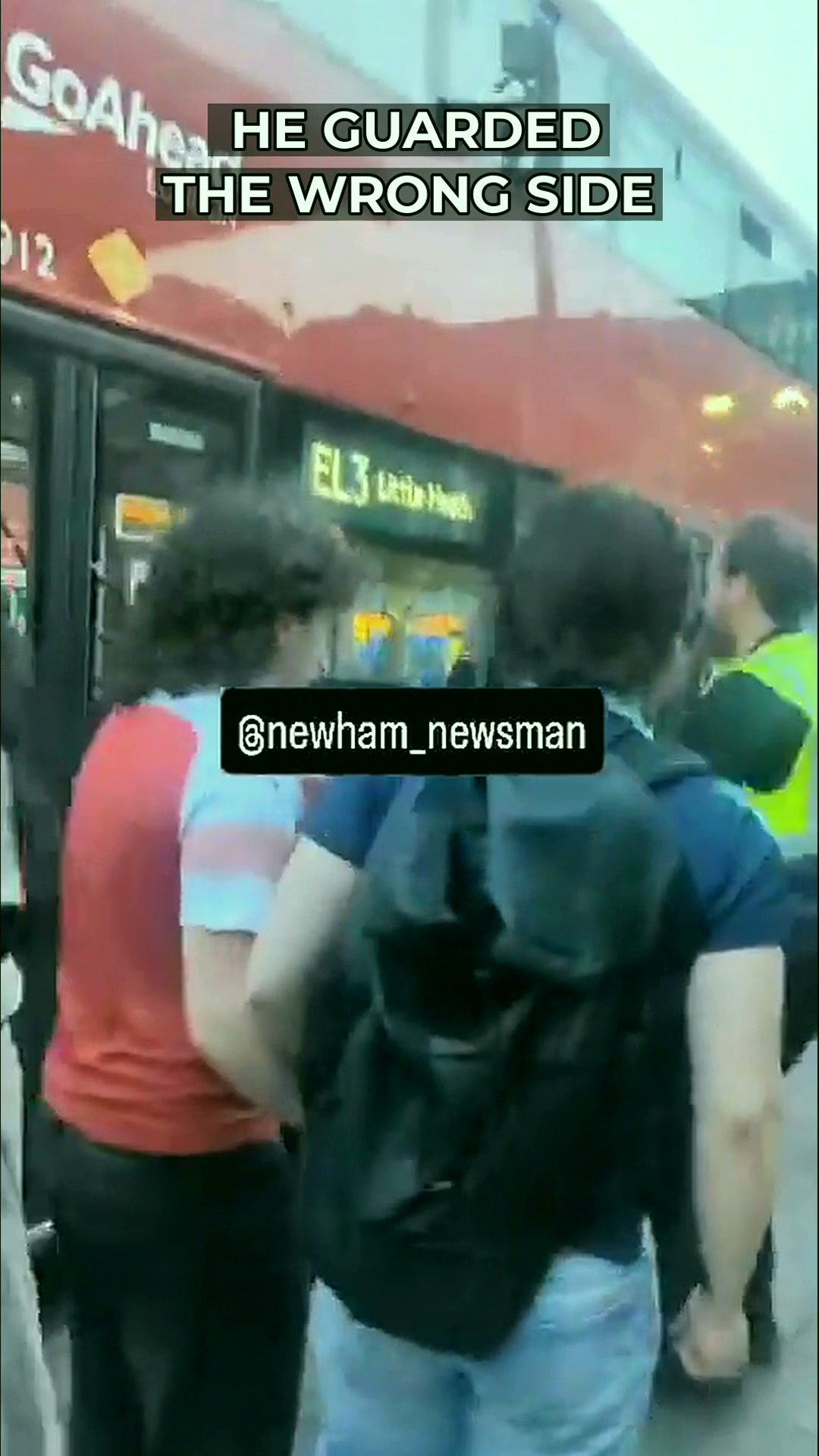
When chaos erupts on a public street, the split-second decisions of a security guard reveal more about our society than any official report ever will.
- A viral clip from Newham exposes the raw tension of public safety in modern Britain.
- Witnesses claim the security response appeared uneven, sparking outrage about accountability.
- The incident is less about a single brawl and more about the fragile trust communities place in those paid to protect them.
The footage is grainy, shaky, and unmistakably real. It captures a street in East London where the evening calm is shattered by a surge of bodies, shouting, and pure, unfiltered aggression. A lone figure is at the center of the storm, outnumbered and on the back foot, while a security guard stands nearby. The question that has lit up social media is not about the brawl itself, but about the guard’s next move.
In the chaos, the guard steps forward. But it is not the aggressors he moves toward. The camera captures the moment he appears to seize the lone individual, the one who was being swarmed. The implication is stark: in the heat of the moment, who does the system decide is the problem?

The Scene That Sparked a Thousand Arguments
Let’s paint the picture clearly. The video, reportedly shot near a Newham news van, shows a verbal dispute that rapidly escalates into a physical confrontation. A man is heard barking aggressive commands into the fray, telling someone not to be afraid. The energy is volatile, the kind that makes your stomach drop because you know it can turn deadly in a second.
Yet, for many viewers, the focal point is not the violence—it is the intervention. The security professional, tasked with de-escalation and protection, appears to bypass the larger group. Instead, he targets the individual who is visually outnumbered. It is a moment that lasts seconds, but it triggers a firestorm of commentary about bias, fairness, and the unedited truth of how order is enforced.
“People are asking one simple question: why is the man getting swarmed the one being pulled away? That is the core of the anger.”
This is not a question of race alone, although the caption accompanying the video frames it in those terms. It is a deeper question of human judgment under pressure. When a professional sees a fight, their training dictates they separate the parties. But the optics of choosing the weaker side to restrain first can shatter public confidence in a heartbeat.
For the average person watching from their living room, the fear is visceral. If I am ever in that situation, will the people paid to keep the peace see me as a victim or as a liability?

Community Trust and the Fragile Line of Public Safety
East London is a melting pot, a dense tapestry of cultures and communities that generally coexist with a vibrant rhythm. But incidents like this expose the fractures beneath the surface. The immediate reaction online was not just about the physical altercation, but about the perceived failure of the guardian role.
When a security guard acts, they represent a system. They are the visible arm of order. If their actions appear to favor the aggressor—or simply fail to protect the vulnerable—the community loses faith. That loss of faith does not lead to calm; it leads to vigilantism, distrust, and a breakdown of the social contract.
This is why the video has traction. It is not merely a scrap caught on camera. It is a litmus test for how justice is served in a split-second decision. The public is hungry for accountability. They want to see that common sense and basic respect guide these interventions, not prejudice or fear.
The human story here is not about the individuals throwing punches. It is about the bystanders, the witnesses, and the security guard himself. He is a man in a high-vis vest, making a gut call in a cacophony of screams. He likely had milliseconds to react. But the perception of his choice will follow him, and the company that employs him, for a long time.
We crave safety. We pay for it with our taxes and our loyalty to businesses that promise a secure environment. When that security seems selective, the betrayal feels personal. It strikes at the heart of why we form communities in the first place: to know that someone has our back.

The Unanswered Question
The clip ends without resolution. The shouting continues. The guard is still in the frame. The fate of the lone man is unclear. And that is precisely the point.
In an age of viral content, the follow-up rarely gets the same attention as the raw incident. The public is left to fill in the blanks, and they often fill them with their worst fears. The calls for the security company to release a full statement are growing louder. The demand for body-worn camera footage is a common refrain.
Until that evidence surfaces, the narrative stands. It stands as a warning to anyone who believes that safety is guaranteed. It stands as a reminder that in the chaos of a street fight, the lines between protector and aggressor can blur in the eyes of the public. And that blur is a dangerous thing for the trust that holds a community together.
The video is a mirror, and what it reflects is uncomfortable. It shows a society grappling with tension, fear, and the desperate need for fair treatment. The security guard is not just a man doing a job; he is a symbol. And in that split second, many feel he failed the test. The anger will not dissipate until the unedited truth is laid bare. Until then, the question hangs in the air, unanswered and corrosive.