The Unedited Truth: When a London Street Chant Exposed the Fragile Line Between Pride and Prejudice
A viral moment of raw hostility is forcing everyday citizens to ask an uncomfortable question: Have we forgotten how to share a city without drawing battle lines?
- A viral street video shows a group, including children, shouting profane anti-Islamic slogans in London, igniting a firestorm of criticism and concern.
- The incident underscores how a lack of basic respect can fracture the shared space of a multicultural metropolis, leaving neighbors on edge.
- Community leaders are calling for calm, but the raw footage has already opened a deep rift in public discourse about identity and belonging.
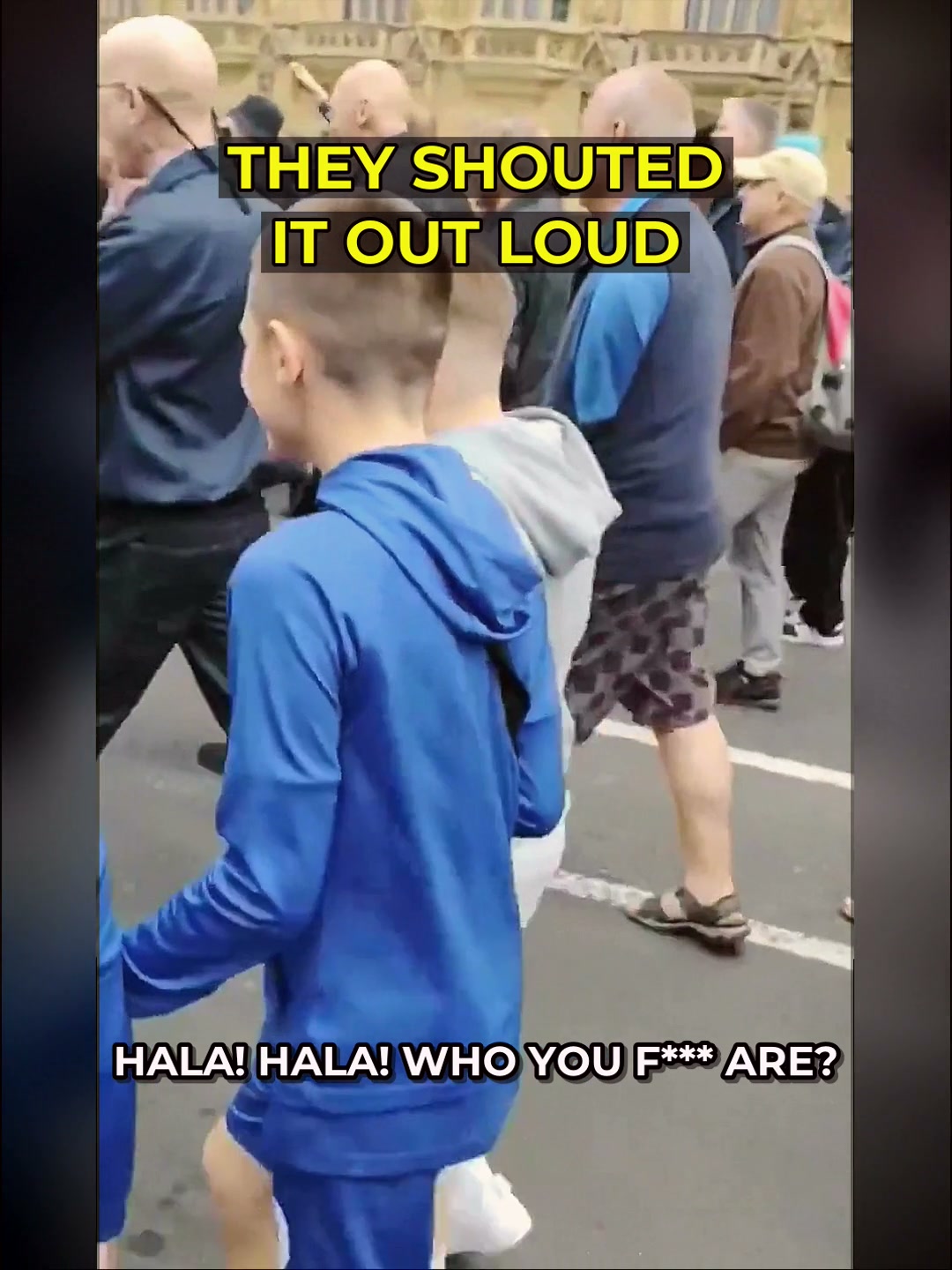
Picture a bustling London street. Not a political rally, not a conflict zone, just a public square where daily life unfolds. Now, imagine the air filling with a chant so crude, so deliberately provocative, that it stops passersby in their tracks. The video, now spiraling across social media, captures a group of self-proclaimed patriots shouting a phrase that twists a common Arabic expression of faith into a weapon of ridicule. And the most unsettling part? The voices are not just adult. They are joined by the high-pitched cries of children, echoing the words without understanding the weight of the hatred they carry.
This is not a scene from a dystopian film. It is the unedited truth of a moment that has left many in the community feeling anxious and alienated. The chant, which mocks the Islamic call to God, was leveled as a taunt, a deliberate act of provocation designed to demean. For the families and individuals who witnessed it, the sound was not just offensive; it was a signal that the common courtesy holding a diverse society together is fraying, thread by thread.

The Human Story Behind the Hostility
To understand why this moment feels so explosive, you have to strip away the politics and look at the human reality. These are not abstract ideologies clashing; these are neighbors, commuters, and parents sharing a pavement. When a group chooses to shout profanity-laced slogans aimed at a religious community, they are not making a political statement—they are issuing a declaration of disrespect to anyone within earshot who holds that faith dear.
For a Muslim parent walking by with their child, the message is clear: you are not welcome here. For the children participating in the chant, the lesson is equally damaging—they are being taught that bullying others based on their identity is a form of patriotism. That is not pride; that is a failure of guidance. It is a sobering reminder of why we must always document these incidents, not to fuel outrage, but to hold a mirror up to a society that is losing its grip on empathy.
“This is exactly why our community needs to stay vigilant. When we allow hatred to become a chant, we normalize it. And when we normalize it, we teach our children that cruelty is a form of strength.”
The reaction online has been swift and split. Some defend the chanters as “just expressing frustration,” while others see it as a blatant act of religious intolerance that should concern every citizen, regardless of their background. But framing this as a simple culture clash misses the point. The issue is not about differing beliefs; it is about the absolute absence of common respect.
The Legal Precedent and the Limits of Free Speech
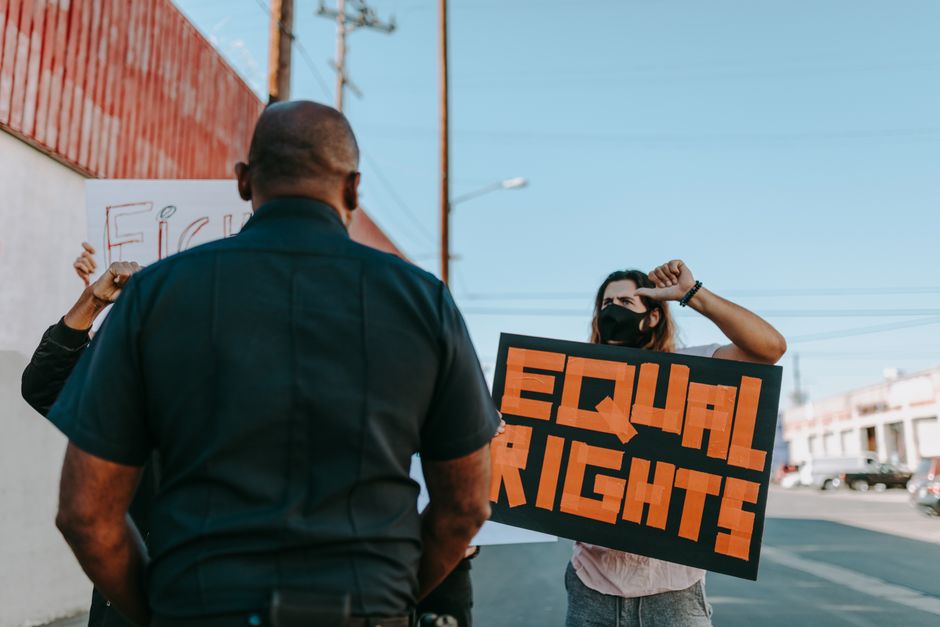
While the UK prides itself on robust free speech protections, those rights are not without boundaries. The law draws a distinct line between expressing an opinion and using threatening or abusive words that are likely to cause harassment, alarm, or distress. A public chant designed to mock a religious figure or phrase, especially one that could incite tension, falls into a gray area that local authorities are now likely to scrutinize.
Legal experts point out that intent is key. If the purpose of the chant was to provoke a reaction or to demean a specific group, it may cross the threshold from crude behavior into a public order concern. The presence of children in the crowd complicates the picture further, raising questions about adult responsibility and the kind of example being set for the next generation. This is not about silencing patriotism; it is about ensuring that expressions of identity do not morph into targeted harassment.
For the average person watching this video, the fear is palpable. If this can happen in broad daylight in one of the world’s most diverse cities, what stops it from escalating? The chanters may have seen themselves as making a point, but to many, they simply revealed a disturbing lack of self-awareness. They shouted about identity while simultaneously eroding the very fabric of a community that prides itself on coexistence.

What This Means for the Rest of Us
The uncomfortable truth is that this video is not just about London. It is a snapshot of a global mood, where online echo chambers fuel real-world confrontations. The ease with which a group can gather and hurl insults, recording it for posterity, suggests that the barriers of decency are lower than we thought. But it also reveals a resilience. The backlash against the chant has been loud, with many from all walks of life condemning the language and defending the right of Muslim citizens to practice their faith without mockery.
This is where the human story turns. For every voice shouting hatred, there are dozens more calling for accountability. They are the neighbors who refuse to let a loud minority define their streets. They are the parents teaching their kids that respect is not optional. The video may show the worst of a moment, but the reaction to it reveals a collective desire for something better—a craving for a community where you do not have to look over your shoulder to express who you are.
The chant may fade from the news cycle, but the scar it leaves on the psyche of a neighborhood does not heal quickly. The children who joined in will grow up with that memory, and the children who were targeted will carry the sting of that exclusion. The only way forward is for the silent majority to speak up, to make it clear that this brand of “patriotism” is a betrayal of the very values it claims to uphold. The question is not whether this incident was wrong; it is whether we have the collective courage to demand better from ourselves and from those who claim to speak for us.