How Communities Hold Wrongdoers Accountable When Public Incidents Leave Victims Behind
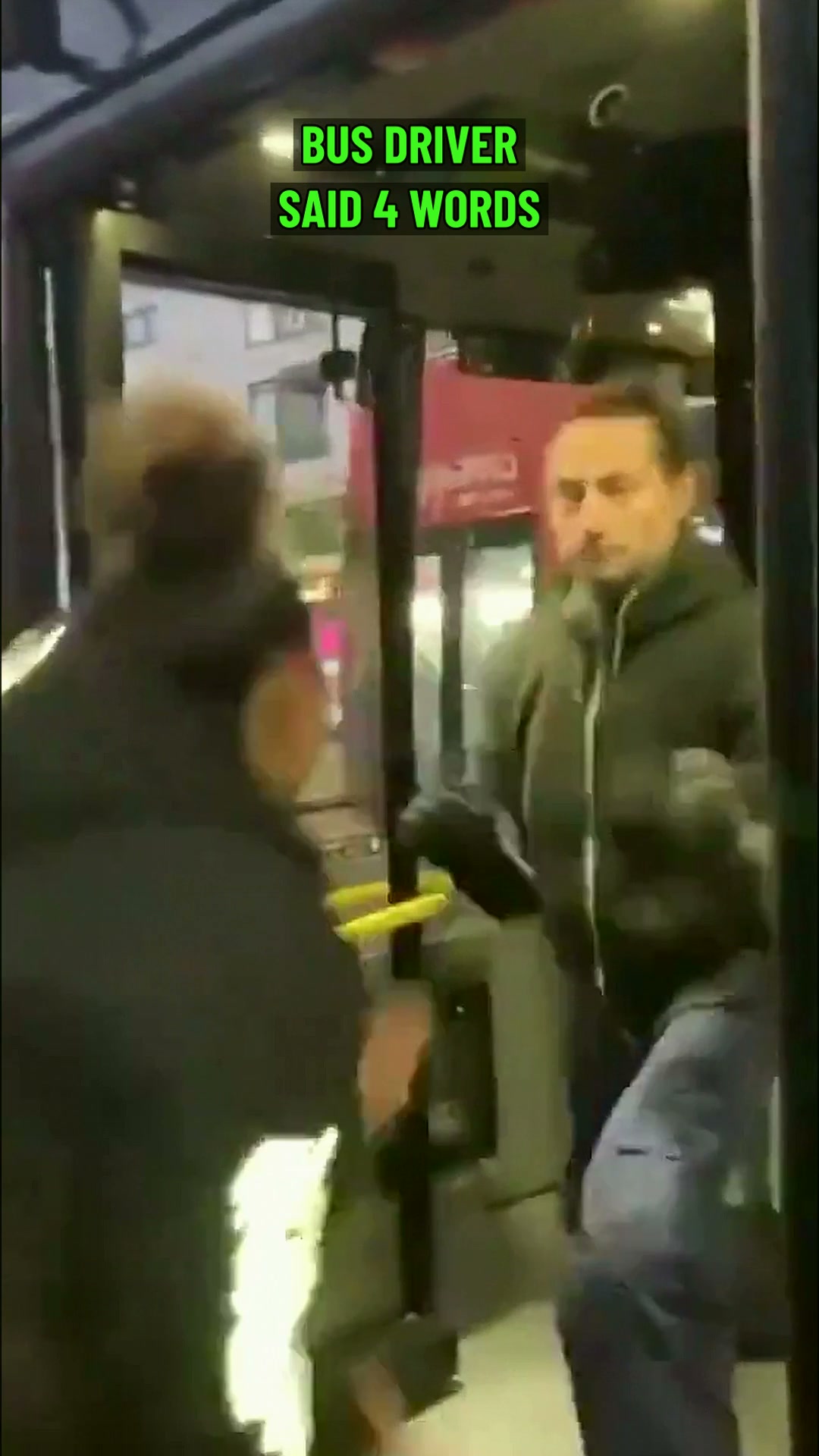
The Real Measure of Justice Isn’t the Headline. It’s What Happens After the Cameras Leave.
Imagine standing on a sidewalk you’ve walked a thousand times, only to watch an ordinary morning turn into a public spectacle you never asked to be part of. The witnesses pull out their phones. The video goes up within minutes. And by dinner, strangers across the country have an opinion about your worst moment. That’s where the story usually ends for the audience. For the people involved, it’s where the real work begins.
The viral clip is never the whole story. What most viewers never see is the paperwork, the phone calls, the victim advocate who returns messages at 9 p.m., the small claims filing that costs more in lost wages than the judgment is worth. Justice after a public incident is rarely cinematic. It’s administrative. It’s exhausting. And it’s almost always quieter than the outrage that preceded it.
That gap between the viral moment and the legal aftermath is where accountability actually lives or dies in American communities. And right now, that gap is wider than most people realize.

The Legal Precedent: Where Private Conduct Clashes With State Civil Codes
When a public incident escalates into a civil matter, the legal foundation rests on state-level codes that most Americans have never read. Civil liability, personal injury standards, and public accommodation statutes vary wildly from state to state. What counts as actionable conduct in one jurisdiction may not even generate a filing in the next.
Attorneys who handle these cases describe a common pattern. The incident itself takes thirty seconds. The civil process that follows can stretch eighteen months or longer. Depositions, mediation sessions, discovery requests, and scheduling hearings consume hundreds of hours of the victim’s time, often with no guaranteed recovery at the end.
“The video goes viral in an hour. The lawsuit takes two years. By the time it’s over, the victim has spent more on legal fees than most people make in a year.”
That imbalance is not a flaw in the system. It is the system. And it means that for millions of Americans, the decision to pursue accountability is a financial calculation as much as a moral one.
- Does the victim have the financial capacity to pursue a civil claim, or will the cost of legal representation exceed any realistic recovery?
- Will state or local authorities treat the incident as a civil matter, a policy violation, or something that falls between the cracks of existing enforcement frameworks?
- What community-based resources exist to support the affected party when the legal process stalls or never begins?

Civil Liability and Community Resources: The Safety Net Most People Don’t Know Exists
Here’s what rarely makes it into the comment section. Every state in the country funds victim assistance programs, legal aid clinics, and community mediation services designed specifically for people who cannot afford traditional representation. The problem is that almost nobody knows they exist until it’s too late.
Victim advocates in mid-sized cities report that the majority of people who contact them do so months after the incident, often after a deadline has passed or evidence has been lost. The window for filing civil claims, submitting victim compensation applications, and preserving witness statements is narrow. Miss it, and the path to accountability closes.
Community accountability also operates outside the courtroom. Local business associations, tenant councils, and neighborhood mediation boards increasingly handle disputes that would have once gone straight to litigation. These forums are faster, cheaper, and often more effective at producing an actual resolution rather than a financial settlement that satisfies no one.
Similar civil confrontations across the country are forcing community leaders and local venues to confront serious liability under state regulations. Explore the full legal breakdown of related incidents →
The people who understand this system best are the ones who have already been through it once. They know which agencies answer the phone, which forms get results, and which deadlines are hard stops. That knowledge is not taught in schools, not covered in most news reports, and not available in any single government office.
It gets passed person to person, in waiting rooms and community meetings, by people who learned it the hard way.
Consumer Protection and Financial Fallout: What Precedent Does This Set for Ordinary Americans?
Every public incident that ends without meaningful accountability sets a quiet precedent. Not a legal one, necessarily. A cultural one. It tells the next person that the cost of pursuing justice is higher than the cost of letting it go. And over time, that calculation becomes the default.
The financial dimension is brutal and rarely discussed. Lost wages from court appearances. Childcare costs during mediation sessions. Therapy bills that insurance may or may not cover. For a working American living paycheck to paycheck, the math almost never works in favor of pursuing a claim, even when the claim is strong.
“Justice shouldn’t be a luxury item. But in this country, it very often is.”
Consumer protection frameworks exist precisely to prevent this kind of imbalance. State attorneys general offices, consumer affairs divisions, and civil rights commissions all accept complaints that never require a private attorney. The catch is that these offices are overwhelmed, underfunded, and operate on timelines measured in seasons rather than weeks.
That reality leaves a vacuum. And into that vacuum step community organizations, faith-based mediation groups, and volunteer legal networks that have quietly become the real infrastructure of accountability in large parts of the country.

What most people discover, usually too late, is that the system does not come looking for them. The resources exist. The statutes exist. The advocates exist. But the burden of finding them, funding them, and following through on them falls almost entirely on the person who was already wronged.
That is the part of the story that never trends. And it is the part that determines whether accountability is a real consequence or just a word people use on the internet before they scroll to the next clip.
The paperwork is still sitting on the kitchen table. The deadline is still ticking. And nobody is coming to help unless someone picks up the phone first.