The Great Trade Delusion: Why Turning Your Back on the World Isn’t the Power Move You Think It Is
A deep dive into the numbers, the human cost, and the dangerous simplicity of “us versus them” economics.
- Trade deficits are not a scoreboard of national loss, but a reflection of consumer demand and global supply chains.
- Severing ties with major partners like the EU and Mexico would trigger immediate price hikes and shortages in everyday goods.
- Diplomatic relationships and personal rapport are vital buffers against economic policy blunders.
Picture this: You’re sitting at your kitchen table, looking at your monthly budget. You spend $200 more on goods from a local store than they spend at your business. Does that mean you are losing $200? Or does it simply mean you value their products more than they value yours?
That simple question sits at the heart of a recent statement that has economists and everyday citizens alike scratching their heads. The idea that the United States is “losing” hundreds of billions of dollars simply because we import more than we export is a misunderstanding of how a modern, interconnected global economy actually functions.
It’s a soundbite that feels good to those who feel left behind by globalization. It offers a scapegoat for complex economic anxiety. But the reality of what happens when you try to “unplug” from the world’s supply chain is far messier, and far more personal, than a simple ledger sheet suggests.
The “Hot Tamales” Fallacy: What We Actually Get From Mexico
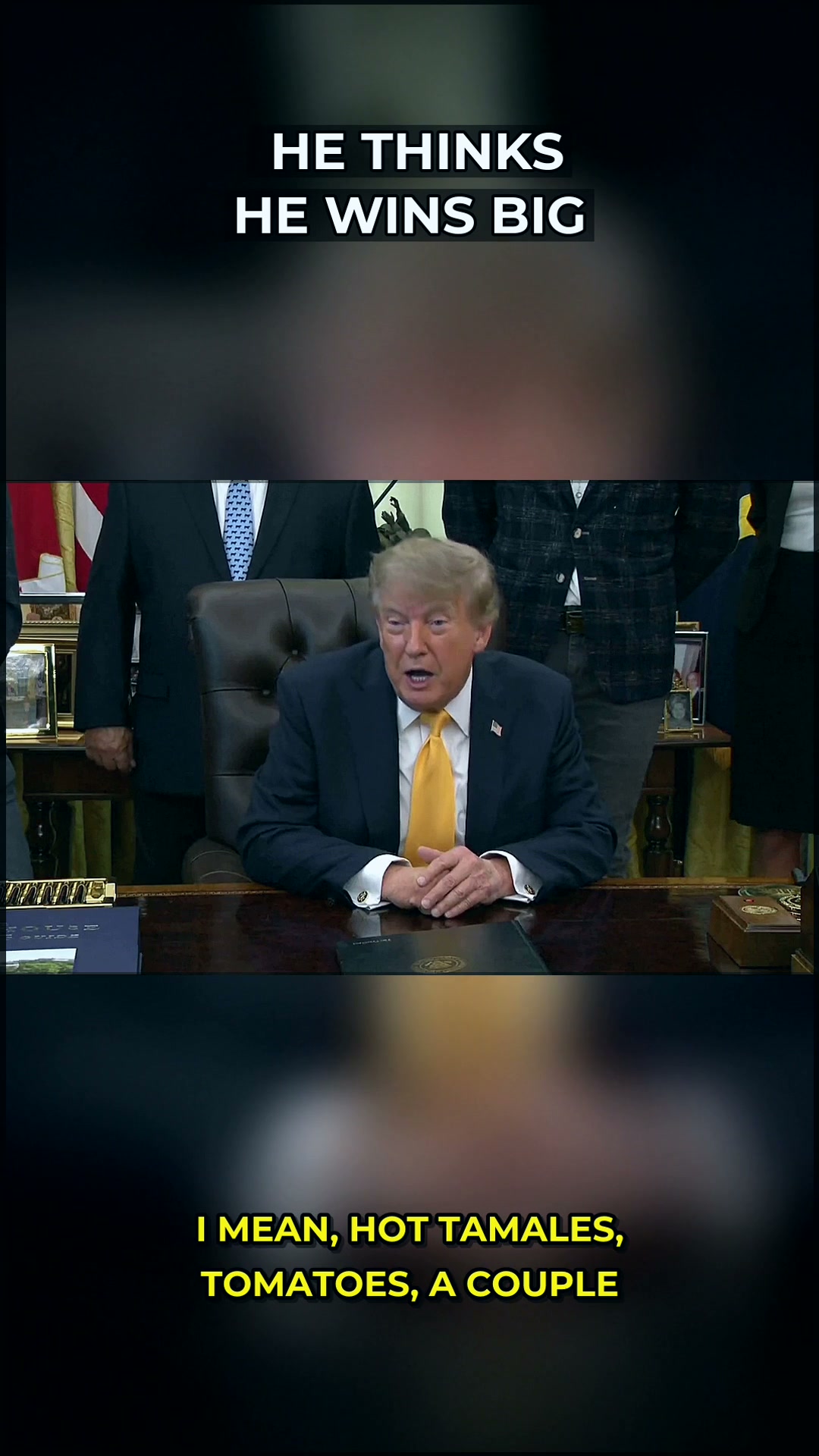
Let’s talk about the dismissive comments regarding our southern neighbor. Reducing a vibrant, industrializing economy to a source of “hot tamales and tomatoes” is not just reductive; it’s dangerously ignorant of the intricate supply chains that keep American factories running and American shelves stocked.
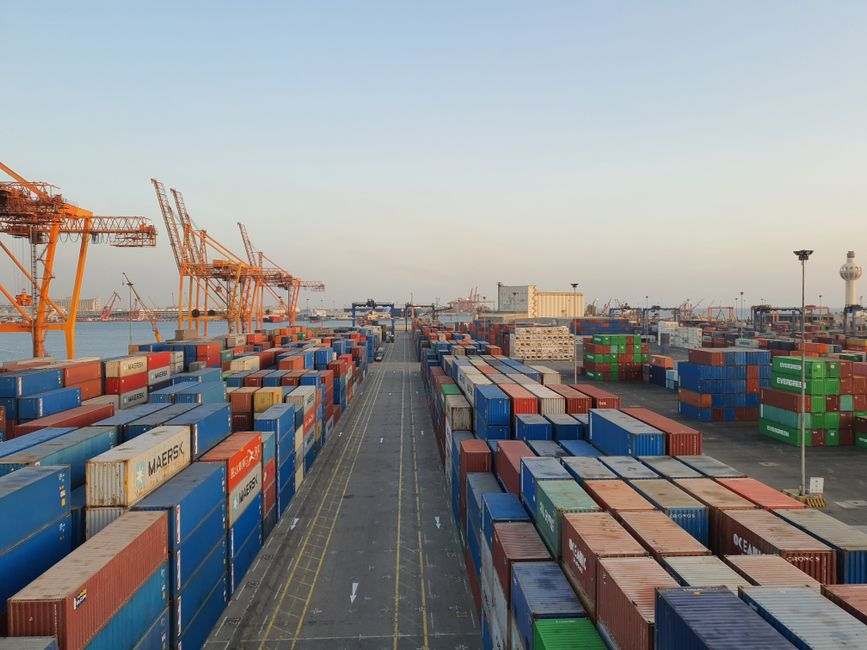
Mexico is not just a source of produce. It is the United States’ second-largest trading partner, a linchpin in the automotive, aerospace, and medical device industries. The components for your car, the circuits in your phone, and the machinery in your hospital often travel back and forth across the border multiple times before they are finished. This isn’t a loss; it’s a high-efficiency partnership where American companies deliberately leverage lower labor costs to remain competitive globally.
To suggest we could simply stop this trade without consequence ignores the fact that American jobs depend on these supply chains. The “loss” is not the trade itself, but the lost opportunity for growth if we slam the door shut on our most reliable partners.
The Human Connection in a World of Tariffs
There is a glimmer of hope in the transcript, a moment of human instinct piercing through the economic bravado. The mention of getting along “very well” with the Mexican President and the admission of personal fondness is where reality sets in. It reveals that even when policy is framed as a zero-sum game of winners and losers, the people at the top understand that relationships matter.
This is the unedited truth of diplomacy: it is personal. It is built on trust, shared interests, and the understanding that you will need your neighbor tomorrow more than you need to score a political point today. When leaders speak of “common sense” and “respect” in international affairs, they are often referring to this invisible framework of mutual reliance.
The instinct to retreat, to build walls, and to hoard resources is a primal one. But the story of human progress is the story of trade, of exchanging ideas, goods, and culture. It is the story of recognizing that a rising tide can lift all boats, but only if we are all willing to sail in the same ocean.

The Cost of a Tantrum
The real danger in this kind of rhetoric is not the policy itself, but the volatility it introduces. Businesses thrive on predictability. They plan investments and hiring around stable trade agreements. When a nation’s leader suggests severing ties with major partners over a misunderstood number, it creates a chilling effect that discourages investment and innovation.
Global markets are not a casino where you can just walk away from the table when you’re losing. They are a community, and like any community, the rules require patience, communication, and a willingness to see the other person’s perspective. The moment you threaten to take your ball and go home, you signal that you are not a reliable member of the team.
As consumers, we feel this instability in our wallets. We feel it in the prices of goods that suddenly become subject to tariffs—taxes paid by American families and businesses, not by foreign governments. The idea that we “lose” money on trade is a dangerous fiction that distracts from the real challenge: ensuring that the benefits of global trade are distributed more equitably among the people who make it happen.
“If we stop buying from each other, we don’t win. We just lose the opportunity to understand each other.”
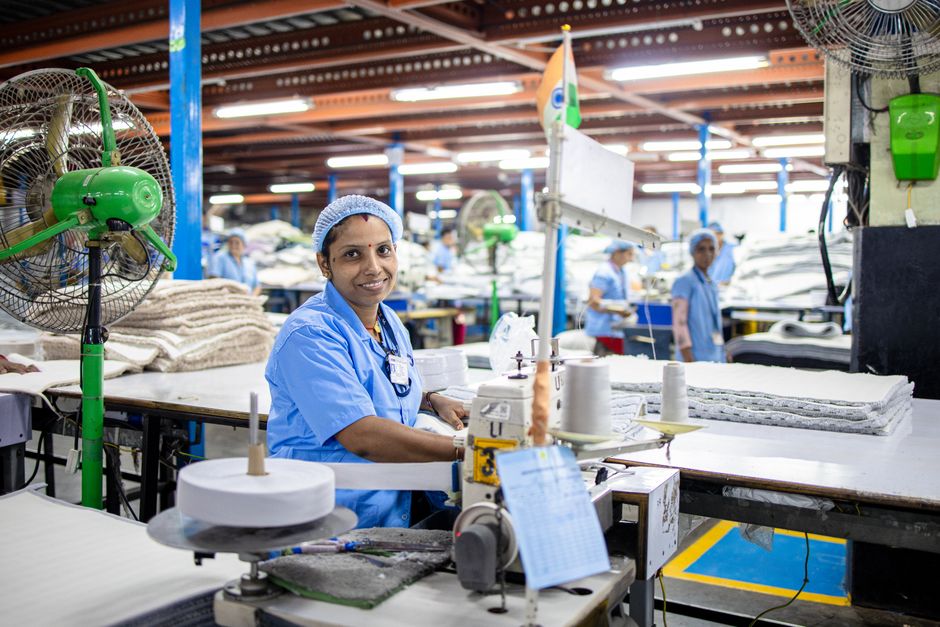
We are at a crossroads where the loudest voices often preach isolation. They tell us that the world is a dangerous place and that our neighbors are taking advantage of us. The appeal to fear is strong, but the quiet truth is that our prosperity is deeply tied to the prosperity of others. The tomatoes that arrive in winter, the cars that roll off the line, the medicine that saves lives—they are all testaments to our interconnectedness.
To cut ourselves off is not an act of strength. It is an act of surrender to our worst instincts. It is surrendering to the idea that we cannot compete, so we must hide. The community of nations will move forward, with or without us, and the flows of goods and ideas will find new channels. The question is not whether we can afford to trade, but whether we can afford to let petty politics and economic illiteracy dictate our future.
We lose nothing by trading with the world. We lose everything if we stop trying to lead it.