Proposed Federal Childcare Funding Reforms Aim to Eliminate Fraud and Mandate Proof of Attendance for All Facilities
New Proposed Federal Childcare Reforms Target Funding Fraud and Enrollment Accountability
Policy shifts aim to overhaul federal childcare disbursements, mandating stricter proof of attendance to combat systemic waste and ensure taxpayer money reaches intended beneficiaries.
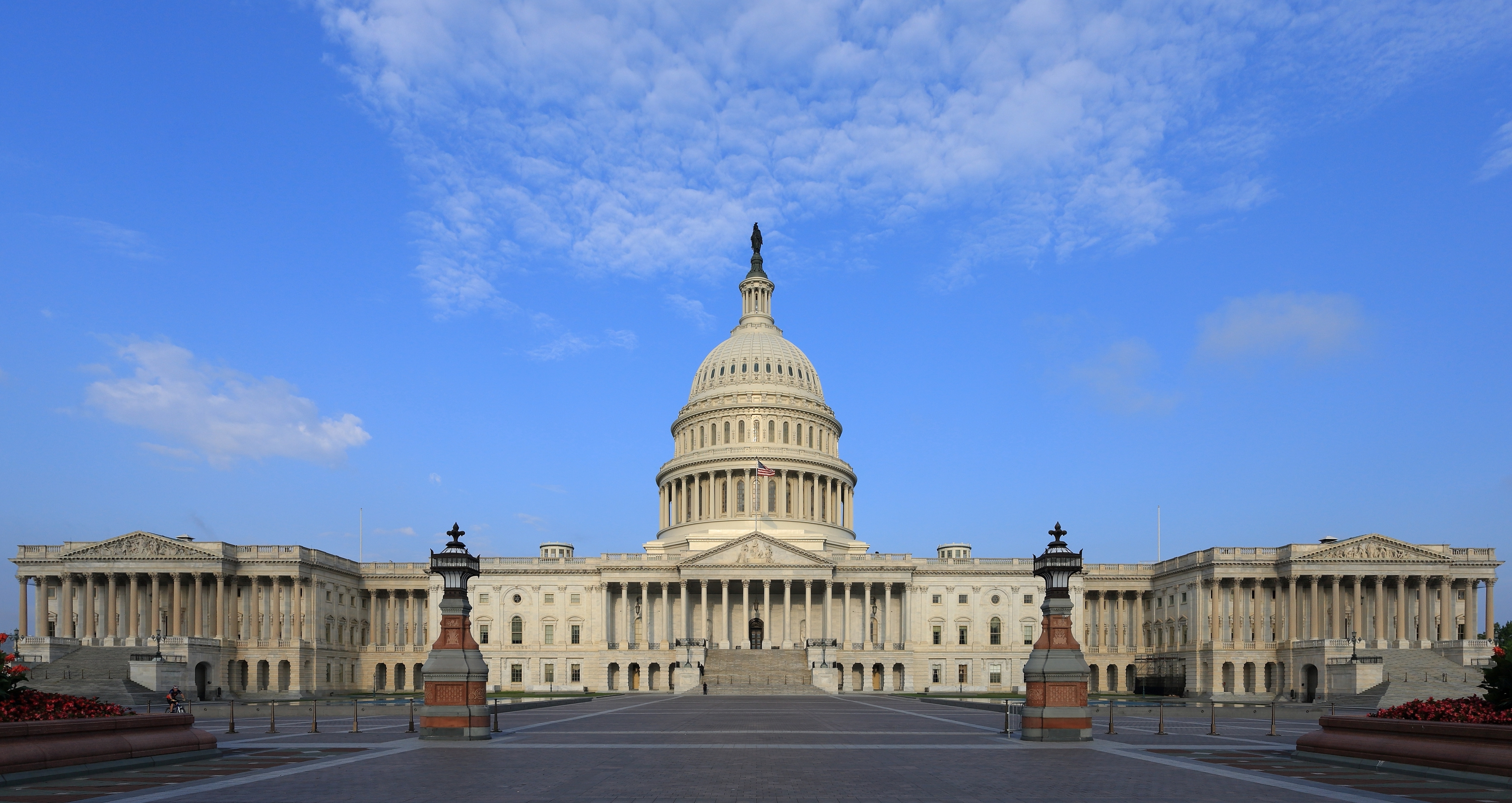
The federal government is facing renewed pressure to reform the way it distributes billions in childcare subsidies, as concerns regarding oversight and accountability reach a boiling point in Washington. Critics of the current system are calling for an immediate, rigorous overhaul of how childcare centers report enrollment, citing fears that taxpayer dollars are being funneled into facilities with phantom attendance records.
At the center of this legislative firestorm is a proposal to mandate strict proof-of-attendance documentation as a prerequisite for receiving federal childcare funding. This shift in policy is being framed by its proponents as a common-sense measure to safeguard public funds, while opponents fear it could create insurmountable bureaucratic hurdles for families and legitimate childcare providers already operating on thin margins.
The urgency behind these proposed changes stems from reports of alleged systemic fraud, where federal funds have reportedly been disbursed to facilities that fail to verify the consistent attendance of the children they claim to serve. For the average American taxpayer, these allegations strike a nerve, touching upon the broader issue of how government entitlement programs are managed and whether sufficient safeguards exist to prevent the misuse of public resources.
Supporters of the stricter oversight measures argue that the status quo is fundamentally broken. They point to instances where millions of dollars in federal subsidies are allegedly paid out to programs that cannot account for the daily presence of students, labeling these instances as “fake enrollment” scams. By requiring physical or verifiable digital proof of attendance, policymakers hope to ensure that the money is actually supporting the children it is intended to help.
Furthermore, the proposal touches upon the highly contentious intersection of immigration policy and welfare spending. By advocating for a freeze on payments in instances where eligibility standards are not met—specifically regarding immigration status—the policy seeks to tighten the reins on how states manage federal allocations. This has ignited a fierce debate in Congress, with some lawmakers arguing that such freezes are necessary to maintain the integrity of the social safety net, while others suggest the move is a punitive measure that could disproportionately impact vulnerable populations.
Conversely, critics of the proposed mandate warn of unintended consequences that could ripple through the American childcare industry. They argue that implementing a rigid “proof-of-attendance” system will place an immense administrative burden on community-based childcare centers, potentially forcing many to close their doors due to the high cost of compliance. These skeptics suggest that the focus on “ghost kids” might be an exaggerated narrative used to justify sweeping cuts to programs that millions of working families rely on to keep their jobs.

The tension surrounding this issue is emblematic of a larger national conversation regarding government transparency. In an era of record federal spending, the demand for accountability is not just a partisan talking point; it is a fundamental concern for citizens who want to know that their tax contributions are not being lost to corruption, mismanagement, or bureaucratic inefficiency.
For the average family, the stakes are high. If funding to local childcare centers is disrupted or if administrative requirements become too steep, the result could be a decrease in available spots or an increase in costs passed down to parents. The question of how to balance the need for rigorous fraud prevention with the practical necessity of accessible childcare remains one of the most difficult challenges for modern policymakers.
The political maneuvering currently taking place in the halls of Congress suggests that this debate is far from settled. As both sides prepare for further committee hearings and potential budget showdowns, the pressure to demonstrate “fiscal responsibility” is clashing head-on with the desire to maintain consistent support for working-class families.
What remains clear is that the current model for distributing federal childcare subsidies is under a microscope. Whether this leads to a more efficient, technology-driven system of tracking or results in a chaotic reduction of services will likely depend on the details of the oversight mechanisms eventually signed into law.
Ultimately, the controversy serves as a reminder of the delicate balance between government action and taxpayer trust. As long as questions persist about whether funds are reaching their intended destination, the demand for stricter verification will continue to drive the legislative agenda, fundamentally altering how the government interacts with the childcare sector.
This evolving policy landscape highlights the ongoing struggle to define the role of the state in providing social services. As the debate continues, the focus will remain on whether these proposed reforms can effectively eliminate waste without compromising the essential support systems that keep the American economy functioning.