The Real Cost of Chaos: When Adults Forget Who Is Watching
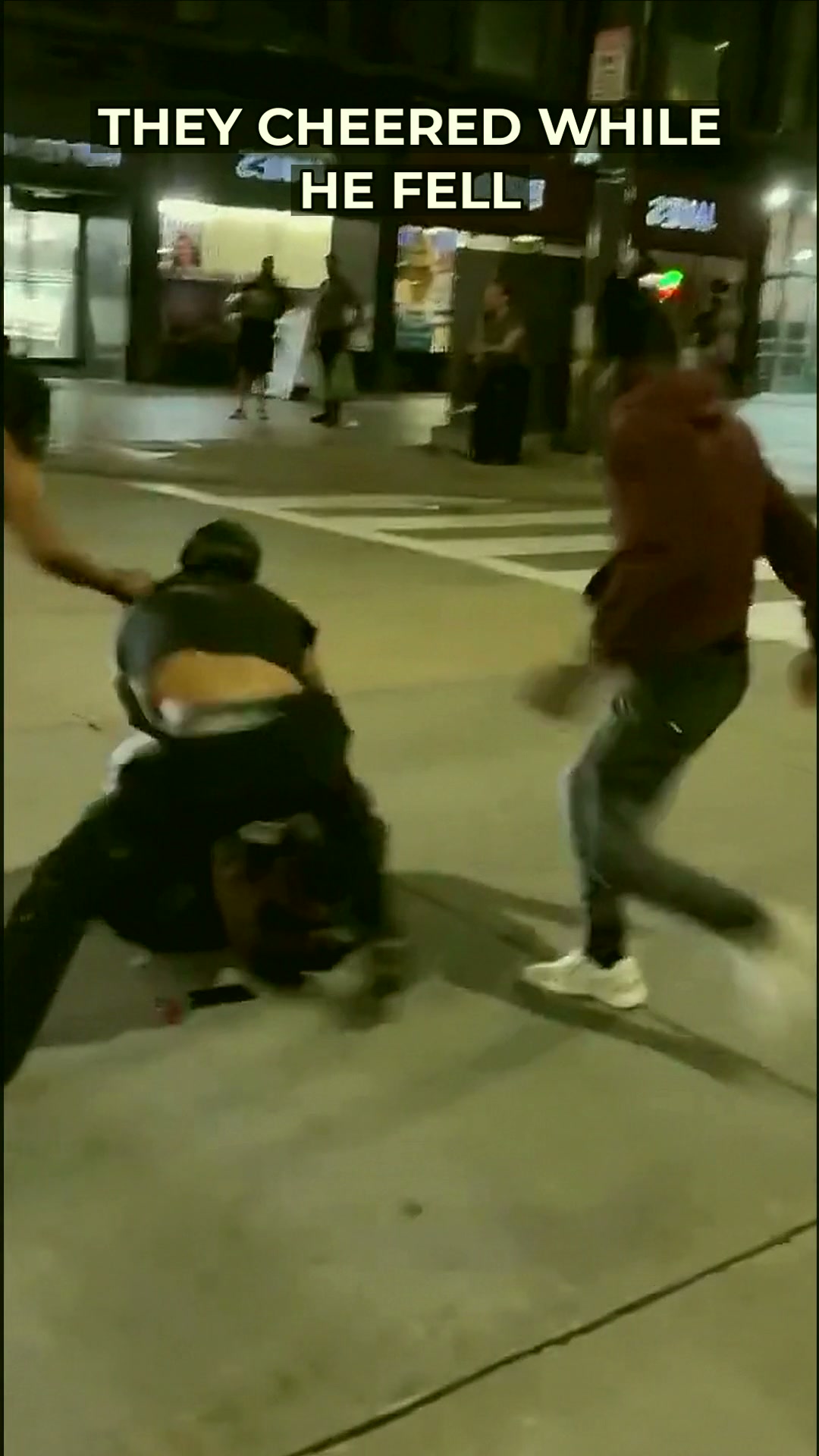
One viral moment shows a kid trapped in the middle of a screaming match — and the person supposed to protect him is the one fueling the fire. Here is what justice actually demands when the cameras turn off.
- Public blowups often leave children as silent casualties — and the law has specific protections for them.
- Community accountability starts with bystanders who refuse to normalize this behavior.
- Victim rights and child welfare resources exist, but they only work if someone steps forward.
There is a moment in the video that is impossible to shake. The chaos is loud — screaming, shoving, the kind of raw ugliness that makes you want to look away. But the kid? He is frozen. His face says everything his voice cannot. He is not just confused; he is terrified. And behind him, the person who should be pulling him out of the fray is the one screaming loudest. The mom is cheering it on.
It is the kind of scene that makes your stomach drop. A public family feud spiraling into a full-blown spectacle, with a child caught in the crossfire. Not as a bystander — as a prisoner of adult failure.

Let’s be brutally honest here. Watching that video, you feel the rage building. Not at the initial conflict — that happens. People lose their cool. Marriages crack. Families feud. That is human nature. But the second a child is standing there, absorbing every ounce of that poison, the rules change. And when the adult who is supposed to protect him is the one adding fuel to the fire? That is not a family dispute anymore. That is a failure of basic decency.
The Unspoken Victim in Every Public Blowup
We talk a lot about the drama. The viral clip. The “unbelievable” footage. But we rarely stop to ask the question that actually matters: what happens to the kid after the cameras stop rolling?
Child development experts have hammered this point for years — exposure to violent or high-conflict altercations doesn’t just scare a child in the moment. It rewires their baseline for what “normal” looks like. It teaches them that chaos is love. That yelling is communication. That the people who are supposed to keep them safe are actually the biggest threat in the room.
And here is the kicker. The mother in that video isn’t just participating. She is actively encouraging the escalation. She is modeling for her child, in real time, that this is how you handle conflict. That is not just bad parenting. That is a recipe for generational disaster.

Accountability Starts With the Adults in the Room
So what does justice look like in a situation like this? It looks like consequences. Not performative outrage on social media — real, legal, structural accountability.
When police or child protective services review a video like this, they are not looking at who “started” the fight. They are looking at the environment the child is being raised in. They are looking at whether the caregivers are capable of providing a safe, stable home. And if the answer is no? The system has a duty to step in.
“The child is not a witness to the chaos. The child is the victim of it. And until we start treating it that way, we are failing the most vulnerable person in the room.”
This is where community accountability comes in. The bystanders who filmed this — they did the right thing by capturing it. But what happened after? Did anyone call the authorities? Did anyone check on the kid once the dust settled? Because that is the moment where “viral content” turns into “child welfare case.”
The Legal Precedent: When Public Feuds Trigger State Intervention
Courts across the country have consistently ruled that a child’s exposure to violent altercations — even if they are not physically harmed — constitutes grounds for intervention. In landmark cases, judges have removed children from homes where parents engaged in repeated public violence, citing the “emotional and psychological harm” as a form of neglect.
That is not a hypothetical. That is the law. And it exists precisely because of moments like this one.
The justice system, when it works, does not care about your excuses. It cares about the kid. It cares about whether the adults in his life are capable of putting his needs above their own rage. And when the video evidence is this clear? The path forward is usually not a pleasant one for the adults involved.

What Resources Exist for the Silent Victims
For anyone watching that video and feeling helpless — there is something you can do. Childhelp National Child Abuse Hotline (1-800-422-4453) operates 24/7. You do not need proof. You do not need to be a family member. You just need to make the call.
There are also community-based programs focused on de-escalation and family counseling. Many states offer free or low-cost parenting classes that focus on conflict resolution — not because these parents are “bad people,” but because they clearly lack the tools to handle stress without turning it into a public spectacle.
But here is the hard truth. Those resources only work if the adults are willing to use them. And a mother cheering on a brawl while her child stands terrified in the middle of it? She is not ready to admit she has a problem. That means the system has to be ready to act on the child’s behalf.
The video ends. The comments flood in. The outrage machine moves on to the next scandal. But that kid? He does not get to move on. He carries that moment with him — the look on his face, the sound of his mother’s voice, the feeling of being completely alone in a crowd of screaming adults.
And that is the part nobody wants to talk about. The justice system can intervene. The community can report. The courts can order counseling. But none of that undoes the damage of watching your own parent choose chaos over you.
The look on that kid’s face says everything. The question is whether anyone is actually listening.