When Federal Power Meets Community Trust: The Fight for Accountability After Chicago’s Walgreens Incident
Inside the chaotic scene that has a neighborhood demanding answers—and the legal machinery now grinding into motion
Imagine walking into your local pharmacy to pick up a prescription. The fluorescent lights hum. Someone’s waiting at the counter. And then the door bursts open.
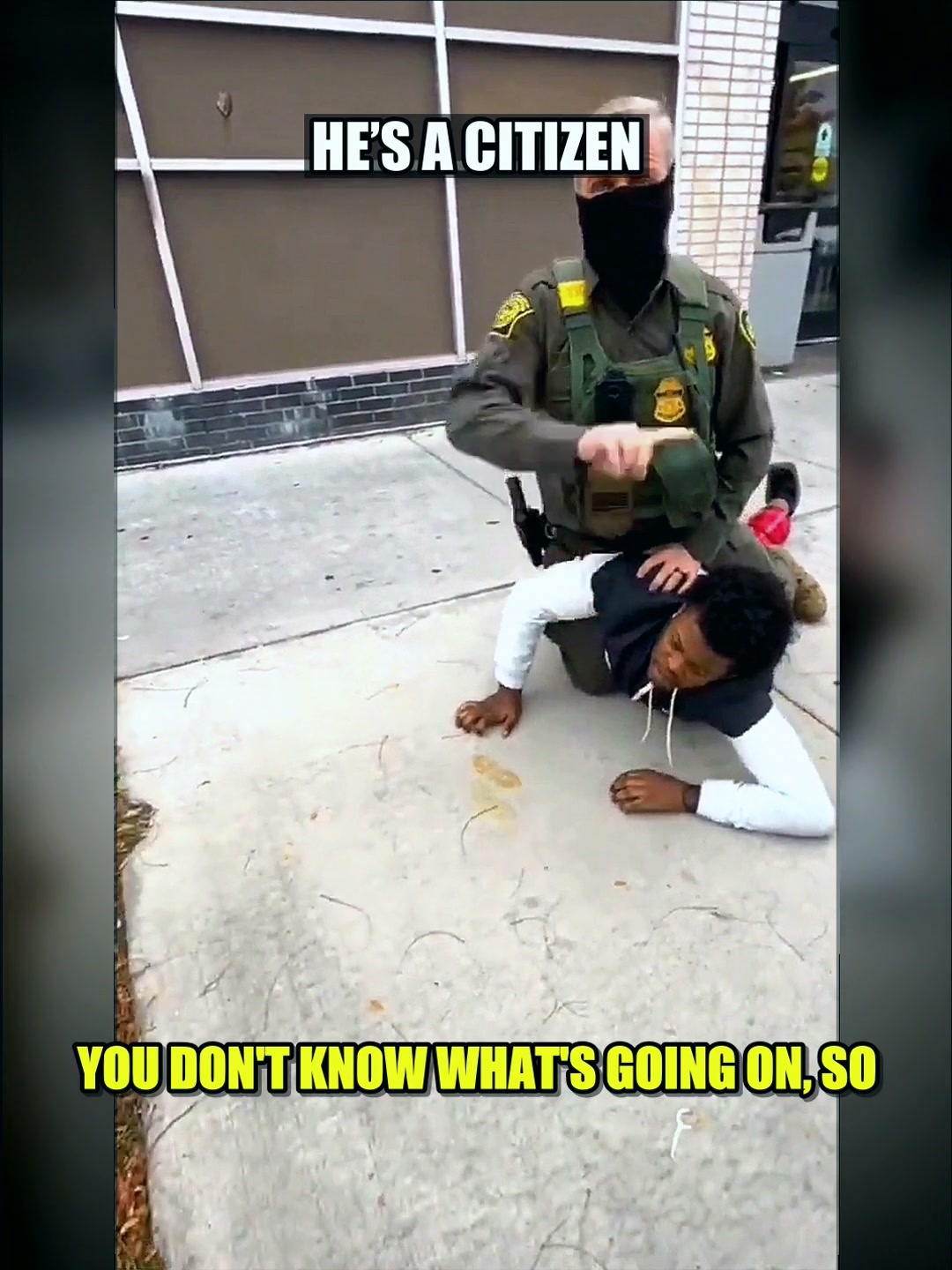
That’s the reality that unfolded inside a Chicago Walgreens this week—a scene that has ignited furious debate about federal enforcement tactics, community safety, and the thin line between authority and overreach.
Video captured during the operation shows an older white federal agent physically restraining a Black individual inside the store. The images spread like wildfire. The questions came faster.
What were the legal grounds? Who authorized this? And more importantly—what happens now?
The Legal Precedent: Where Federal Enforcement Authority Clashes With State Civil Codes
Here’s the uncomfortable truth that few are saying out loud: federal agents operate under a different playbook than local law enforcement. That distinction matters enormously when operations spill into public commercial spaces.
Immigration enforcement carries broad federal authority. But that authority isn’t unlimited. Administrative warrants—the type commonly used in these operations—do not carry the same weight as judicial warrants signed by a judge.
Legal experts have long argued that this gap creates dangerous ambiguity. Agents may believe they’re operating within bounds. Community members may experience something entirely different.
“The question isn’t whether enforcement can happen. It’s whether it’s happening with the transparency and accountability that American communities deserve.”
Illinois has some of the strongest protections in the nation for individuals in sensitive locations—schools, courthouses, and yes, certain healthcare settings. Pharmacies occupy a gray zone that attorneys are now scrambling to clarify.
For the person on the receiving end of that restraint, the legal options are narrow but real. Civil rights attorneys are already circling.
The burden of proof, however, falls heavily on the individual. Qualified immunity shields federal agents from most civil claims unless constitutional violations are clearly established.
- Did the operation target a specific individual, or was this a broader enforcement sweep?
- What type of warrant—if any—authorized entry into the commercial space?
- Will state officials investigate potential violations of Illinois’ sensitive locations protections?
Civil Liability and Community Resources: What Happens After the Cameras Stop Rolling
The video ends. The agents leave. But for the individual involved and the community watching, the aftermath is just beginning.
Chicago has a network of legal aid organizations and civil rights groups that specialize in these exact situations. The Illinois Coalition for Immigrant and Refugee Rights. The ACLU of Illinois. Local immigration attorneys who work pro bono.
These aren’t abstract resources. They’re lifelines.
Victims of excessive force during federal operations can file complaints with the Department of Homeland Security’s Office of Inspector General. The process is slow. The outcomes uncertain. But it exists.
“Documentation is everything. Without it, you’re just another voice in the wind. With it, you have a case.”
Similar civil confrontations across the country are forcing community leaders and local venues to confront serious liability under state regulations. Explore the full legal breakdown of related incidents →
The community response has been swift. Local aldermen are calling for hearings. Advocacy groups are organizing know-your-rights trainings. Neighbors are sharing information about what to do if federal agents arrive.
This is what accountability looks like at ground level—not in courtrooms, but in community centers and church basements.
Consumer Protection and Financial Fallout: The Precedent That’s Being Written Right Now
Walgreens issued a statement. Corporate spokespeople used careful language about “cooperating with authorities” and “prioritizing customer safety.”
But here’s what they didn’t say: whether the store has a policy for federal enforcement operations. Whether employees were trained to respond. Whether customers were warned.
Private businesses sit at the intersection of federal authority and public accommodation. They have legal obligations. They also have choices.
Some retailers have designated themselves as “sensitive locations” where enforcement is discouraged. Others have remained silent, hoping the issue doesn’t land on their doorstep.
That silence has a cost.

For the individual at the center of this incident, the path forward is uncertain. Legal claims take years. Federal investigations move at their own pace. Public attention will fade.
But the precedent being set right now—in real time—will shape how communities respond to the next operation, the next video, the next person caught in the wrong place at the wrong time.
Accountability isn’t a moment. It’s a process. And for the people of Chicago, that process has only just begun.
The cameras captured thirty seconds. The consequences will last far longer.