The Philadelphia Eagles Made History With Male Cheerleaders. Now the Employment Law Reckoning Has Arrived.
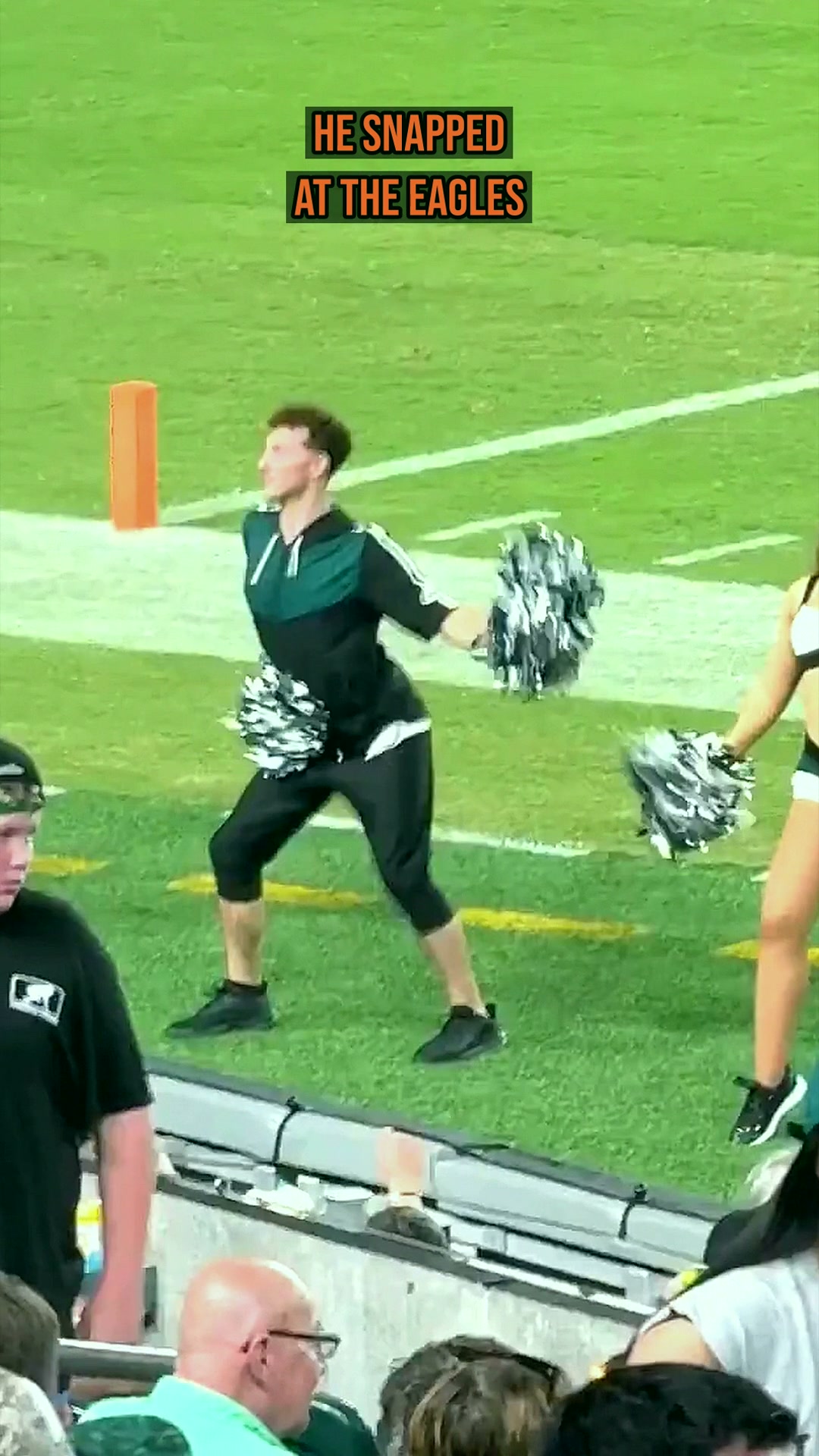
Behind the applause and the viral moments, a quiet battle over worker rights, equal pay, and employer accountability is unfolding in one of America’s most iconic sports franchises.
Imagine signing a contract you were told would change everything. You show up. You perform. You deliver. And then you discover the fine print does not protect you the way you assumed. That is the uncomfortable reality facing a growing number of workers in professions that have historically operated in the gray zone between entertainment and employment.
The Philadelphia Eagles shattered a decades-old tradition when they added male cheerleaders to their roster. It was celebrated as a breakthrough. A moment of progress. But progress on the field does not always translate to progress in the payroll department or the human resources office.
What most fans never see is the contractual architecture behind the pom-poms. The compensation structures. The image rights clauses. The termination provisions that leave workers with almost no recourse.
The Legal Precedent: Where Private Rules Clash With State Civil Codes
Professional sports organizations operate under a unique legal umbrella. They are private entities. They can draft their own internal policies. But they are not above state labor codes.
Pennsylvania employment law, like most states, requires that workers be classified correctly. If you are an employee, you are entitled to minimum wage, overtime protections, and workers’ compensation coverage. If you are classified as an independent contractor, those protections vanish.
The question that labor attorneys are now asking is simple: how are cheerleaders classified? And does that classification hold up under legal scrutiny?
This is not hypothetical. It is the exact battleground that has consumed sports entertainment for years. From minor league baseball players to collegiate athletes, the fight over worker status has reshaped entire industries.
And now the spotlight is on cheerleading. A profession that has historically been treated as volunteer work, side gig, or promotional hobby rather than legitimate employment.
- Are male and female cheerleaders receiving identical compensation for identical work under state equal pay statutes?
- What liability does an NFL franchise carry when internal policies conflict with federal labor protections?
- Can workers pursue unpaid wage claims years after signing contracts they did not fully understand?
The stakes could not be higher. For the workers, this is about survival. For the franchises, this is about liability exposure that could reach into the millions.
“The moment you put on that uniform, you are generating revenue for a billion-dollar organization. The question is whether you are being compensated like a worker or treated like a volunteer.”

Civil Liability and Business Codes: Hidden Legal Risks for Local Venues
It is not just the NFL franchises that should be paying attention. Every sports venue, entertainment company, and promotional agency that utilizes contract performers faces the same exposure.
Employment attorneys have been watching this space closely. The trend lines are clear. Courts across the country are increasingly skeptical of classification arrangements that deny workers basic protections while enriching the organizations that benefit from their labor.
Consider the practical reality. A cheerleader trains year-round. Attends mandatory practices. Represents the brand at community events. Travels for games. Is subject to strict conduct codes. Is required to maintain specific physical standards.
That is not a hobby. That is employment by any reasonable definition.
Similar employment classification disputes across the country are forcing entertainment companies and sports organizations to confront serious liability under state labor regulations. Explore the full legal breakdown of related incidents →
Yet many organizations continue to operate as if the old rules still apply. They rely on the glamour of the position to suppress complaints. They count on the fear of replacement to keep workers silent.
That calculation is becoming increasingly dangerous.
Consumer Protection and Financial Fallout: What Precedent Does This Set?
When one major franchise faces scrutiny, the ripple effects spread across the entire industry. Contracts get reviewed. Legal teams get nervous. Workers start asking questions they were previously afraid to ask.
The Philadelphia Eagles situation is not just about one team. It is about an entire labor ecosystem that has operated in the shadows for decades.
Cheerleaders in the NFL have filed grievances before. They have pursued unpaid wage claims. They have challenged restrictive conduct policies. And in several cases, they have won.
The precedent is building. Slowly. Painfully. But undeniably.

For the workers, the message is clear. Document everything. Understand your classification. Know your rights under state and federal law. And do not assume that a famous logo on your uniform means you are protected.
For the employers, the message is equally clear. The era of plausible deniability is ending. The legal exposure is real. And the workers are no longer staying quiet.
“Accountability is not optional. It is the baseline. And the workers who generate the revenue are finally demanding the respect that comes with it.”
The contracts are still being reviewed. The legal questions are still being answered. And somewhere, a worker who thought the uniform was the reward is discovering that the real fight is just beginning.
No one is celebrating yet.