The True Cost of a Broken Fare Check: When Paying Passengers Become the Target
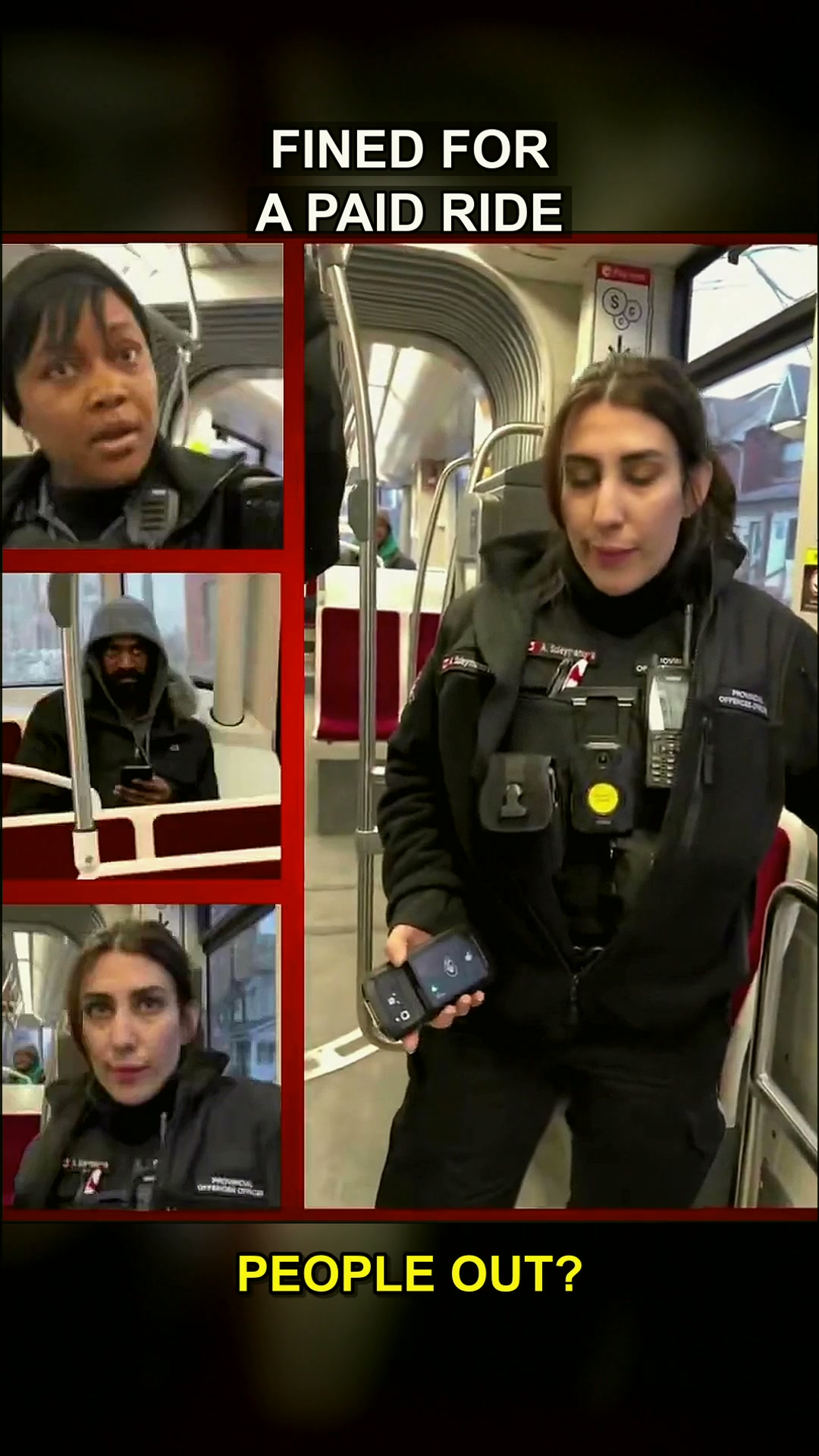
Viral video exposes a frustrating double standard on public transit, leaving everyday riders questioning who is really in charge of enforcing the rules.
- A routine bus ride turned into a legal dispute over a fare that was already paid, raising concerns about flawed enforcement processes.
- The incident highlights a perceived lack of accountability and common sense when rules are applied selectively, potentially leading to wrongful accusations.
- This situation underscores the importance of knowing your rights and documenting interactions when facing an unfair penalty from authority figures.

Imagine the scene. You tap your card, find a seat, and mind your own business on the ride home from work. Then, out of nowhere, you are pulled aside and told you are a fare evader. You show proof of payment, but the person in uniform insists you are wrong. Frustrating? Absolutely. But what happens when the person making the accusation is supposed to be upholding the rules, yet seems to be ignoring a far more blatant violation happening right behind them?
That is the exact scenario playing out in a now-viral video from Toronto, and it is striking a nerve with anyone who has ever felt unfairly targeted by someone with a badge and a ticket book. The footage captures a tense exchange between a male passenger and two female transit enforcement officers. The core of the dispute? A fare check that spiraled into a heated debate about identity, proof, and professionalism.
The man in the video is visibly frustrated, stating he tapped his card and provided proof of payment upon inspection. The officers, however, claim he did not board at the stop he said he did, leading them to issue a ticket anyway. The conversation quickly turns from a simple fare check to a question of character, with the man asserting he is being singled out for a “false narrative.”
“You think it’s funny when you single people out? That’s not professional.”
While this heated exchange over a few dollars unfolds, the video captures something else in the background. Another passenger is seen smoking an illegal substance inside the bus, seemingly without consequence. For many viewers, this stark contrast is the unedited truth of the situation: a paying customer is being hounded for a clerical issue, while a clear violation of transit rules and public health norms is happening right under the officers’ noses.
When Enforcement Lacks Common Sense
This incident is about more than just a bus fare. It speaks to a broader feeling of injustice and selective enforcement. The frustration in the passenger’s voice is palpable. He is not just fighting a ticket; he is fighting for basic respect. He feels he is being held to a standard of proof that he has already met, while others are given a free pass on far more serious infractions. This perceived lack of fairness is what fuels public outrage and erodes trust in the systems meant to keep things orderly.
The interaction raises a critical question for any worker or commuter: What recourse do you have when you are on the right side of the rules but find yourself on the wrong side of an enforcement decision? For many, the immediate reaction is to argue, but as the video shows, that can escalate the situation. The officers’ insistence on issuing the ticket, despite the provided proof, points to a rigid process that leaves little room for discretion or apologies.

The Legal Precedent and Your Rights
In many jurisdictions, the burden of proof in a fare evasion case rests on the transit authority. If a passenger can demonstrate they paid, whether by bank statement or transit app history, the ticket should be dismissed. However, the initial interaction often feels like a presumption of guilt. Employment law and contract law often mirror this dynamic: an employee may be accused of a policy violation, and even if they present evidence to the contrary, the process of clearing their name can be an uphill battle against a system designed to trust its own agents.
This video serves as a potent reminder of why documenting interactions is crucial. The passenger in the video likely never expected his commute to become a legal matter. The reality is that a simple dispute over a fare can lead to a fine that impacts a person’s budget and record. Knowing the official appeals process for a transit fine is just as important as knowing your rights during a workplace dispute. It is about protecting yourself from an unfair penalty.
The situation on that Toronto bus is a microcosm of a larger societal frustration. It is the feeling of being powerless against a system that appears to lack basic accountability. The passenger did everything right, yet he was still punished. The other individual broke clear rules and was ignored. This inversion of consequences is what makes the video so compelling and so maddening to watch.
The Uncomfortable Reality of Selective Enforcement
As the video circulates online, the public is left to wonder: What happened to the ticket? Did the man pay the fine, or did he fight it? And more importantly, what happened to the passenger smoking in the back? The lack of immediate answers leaves a lingering sense of anxiety. It suggests that these encounters are not always about justice, but about asserting authority, even when that authority is misdirected.
For the average person, this is a sobering reminder to always be prepared. Keep your receipts, save your confirmation emails, and know the proper channel to dispute an error. A commute can turn into a bureaucratic nightmare in seconds. The emotional toll of being accused of something you did not do, especially in a public forum, is significant. It leaves a mark long after the interaction is over.
The most disturbing aspect of this footage is the realization that for some, the rules are a suggestion, while for others, they are an absolute mandate. This double standard is the fuel for public cynicism. It makes people question whether the goal is safety and order, or simply compliance for compliance’s sake.

The video ends with the dispute unresolved, the passenger still holding his ticket, and the officers moving on. The man in the back of the bus continues his ride, unbothered. The only certainty is that this encounter has now become a permanent record of a moment where common sense took a back seat to a rigid procedure.
This event leaves a bitter taste, a reminder that the systems designed to protect us can sometimes be the very source of our frustration. The fight for a simple acknowledgment of a mistake, for a moment of professional humility, is often the hardest battle to win. And in this case, the only proof of the injustice is a video that the public will continue to watch and judge for itself.