The High-Stakes Game of Chicken: When Memes Derail Billions in Trade Talks
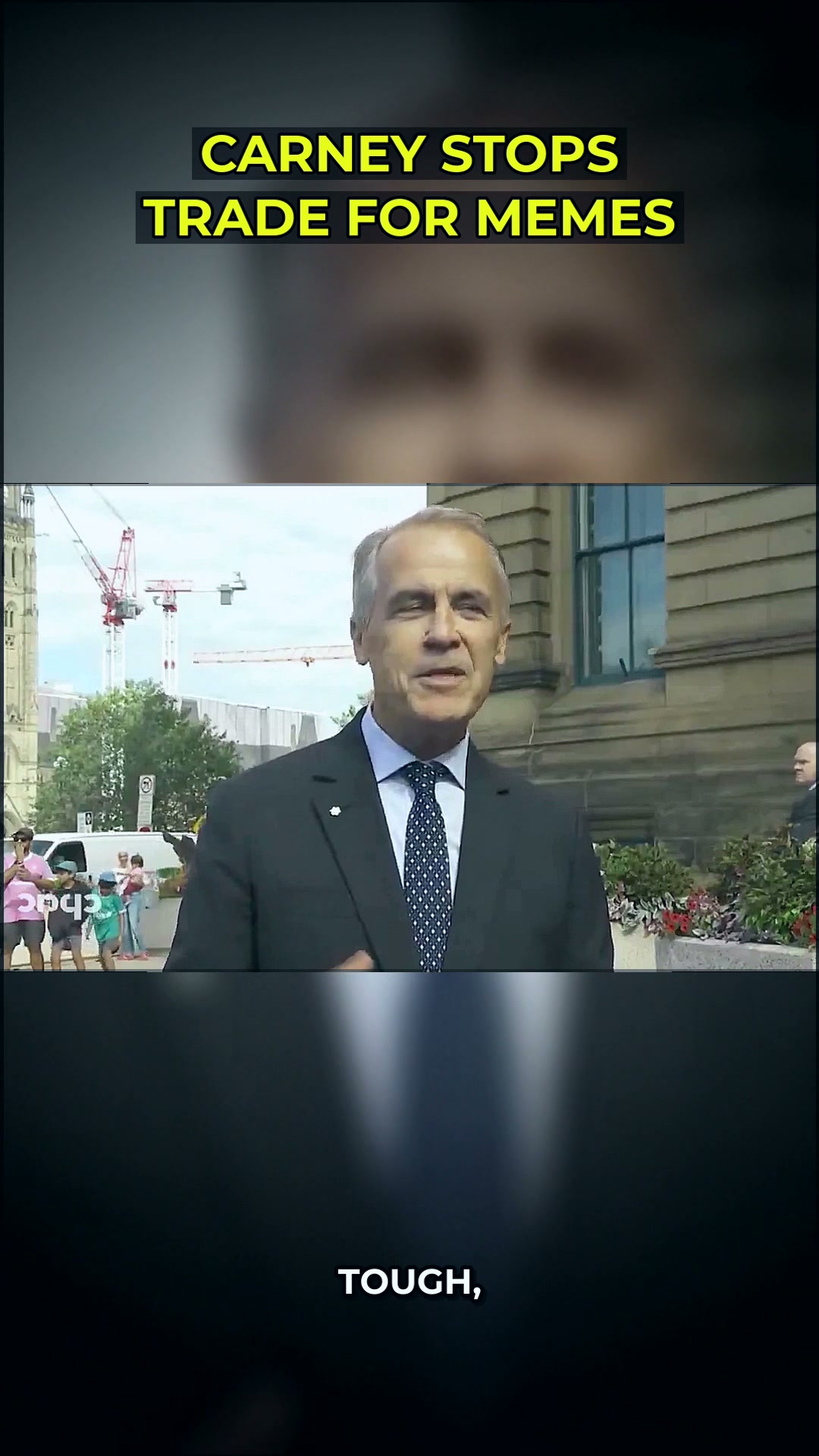
Canada’s leader just called out the internet’s favorite pastime as a barrier to serious economic negotiations, and the working class is caught in the crossfire.
- Mark Carney has officially linked the resumption of trade talks to the end of online mockery targeting Canada.
- The dispute highlights a growing disconnect between digital-age diplomacy and the real-world economic pain felt by workers on both sides of the border.
- For everyday employees, the delay means prolonged uncertainty around supply chains, manufacturing jobs, and cross-border commerce.
Picture this: you are a business owner in Ohio or Ontario, and your entire quarterly forecast hinges on the next round of negotiations between Washington and Ottawa. You are refreshing your feed for news, and instead, you get a viral video of a moose photobombing a politician or a cleverly edited clip set to a pop song. That is the new reality of international trade policy.
Mark Carney, the man poised to steer Canada through one of its most volatile economic periods, just fired a warning shot across the bow. He didn’t talk about tariffs or supply chains first. He talked about memes. And honestly, it is the most unedited truth we have heard from a world leader in years.

The “Unserious” Partner at the Table
Carney’s core message is simple: if you want to talk business, act like a business partner. He is calling out a culture of performative toughness that plays well on social media but does absolutely nothing to stabilize the price of lumber, auto parts, or agricultural goods.
He didn’t mince words, stating that discussions will only happen when the “Americans stop doing memes, stop throwing shade, stop trying to be tough.” It is a damning critique of a political ecosystem that often rewards the loudest online voice rather than the most competent negotiator.
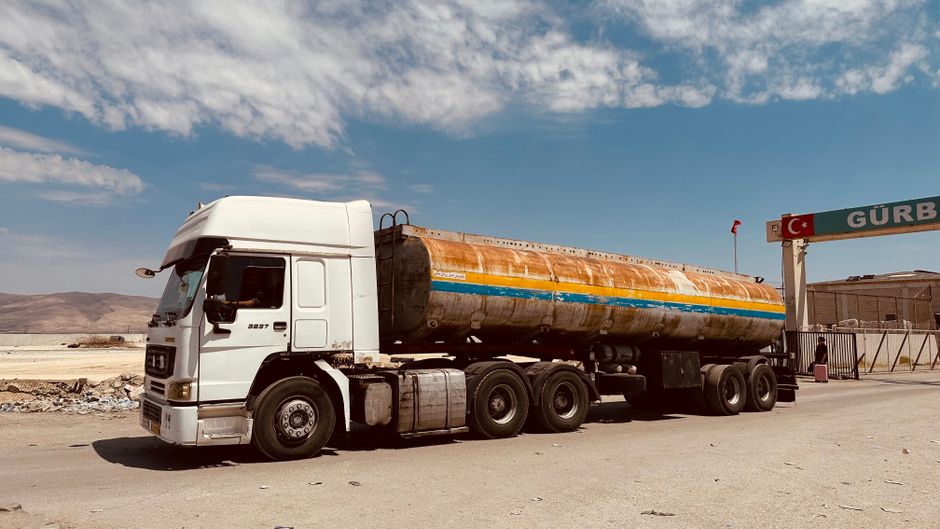
For the average worker, this is terrifying. Trade discussions are not abstract concepts. They determine whether the factory floor stays lit, whether the truck driver has a load next week, and whether the small business owner can afford to import the materials they need. Every day these talks are delayed, the anxiety compounds.
The Worker in the Crossfire
While politicians trade barbs and internet users choose sides, the real burden falls on the labor force. This standoff is a textbook example of employer and government accountability—or, in this case, the lack thereof.
When negotiations stall, companies are forced to make tough calls. Hiring freezes. Reduced hours. Delayed expansion plans. The “common sense” that seems to be missing from the diplomatic table is the same common sense required to keep an economy running: you need stability to create jobs, and you need respect to create stability.
“It’s not constructive, but that’s their democracy.”
That single sentence from Carney cuts through the noise. It acknowledges a painful truth: the United States has the right to conduct its diplomacy however it sees fit, even if that means prioritizing viral moments over viable trade agreements. But just because you have the right to do something doesn’t mean you should.
The Legal Precedent and the Cost of Delay
In the world of employment law and trade policy, there is a concept called “detrimental reliance.” It means that when one party makes a promise, and the other party acts on that promise to their detriment, there is a legal expectation of fairness. While this doesn’t apply directly to sovereign trade talks, it perfectly describes the position of the workforce right now.
Workers are being asked to wait. They are being asked to hold their breath while the adults in the room figure out if they are going to act like adults. The lack of urgency is not just an insult; it is an economic weight that crushes the most vulnerable first.
For the American worker looking north, the message is clear: your leadership is currently more interested in winning a meme war than securing your paycheck. And for the Canadian worker, the message is equally grim: your leader is holding the line on respect, but that line is costing you time.
This is not about partisan politics. It is about the unedited truth of how the world works. If you are a trucker sitting idle at the Ambassador Bridge, you don’t care about the joke of the day. You care about getting moving. You care about the hours you are losing and the family time you are missing.

When the Joke Stops Being Funny
The internet has a short attention span. The memes will fade. The “shade” will eventually be overshadowed by the next breaking news cycle. But the economic damage of a prolonged trade freeze does not fade so quickly.
Small businesses are making decisions today based on the uncertainty of tomorrow. They are reducing inventory orders. They are postponing equipment purchases. They are looking at their staff and wondering if they can justify the payroll if the border remains in limbo.
Carney’s stance is a gamble. He is betting that the US will eventually get bored of the online theater and return to the substance of the deal. But in the meantime, the silence from the negotiation room is deafening for the people who just want to work.
The demand for “accountability” is not just a buzzword. In this context, it is a demand for the US to recognize that trade is a partnership, not a punchline. The moment one side treats the other as a prop for content, the relationship is broken. And broken relationships do not produce good contracts.
So, as the world watches and waits, the question remains: when the laughter dies down, will anyone be left to sign the deal? Or will the workers who fueled the economy be left holding the bag while the memes go viral?