The Antioch Nightmare: A First-Time Homeowner’s Dream Turns Into a Racial Harassment War
She saved for years, signed the papers, and unlocked the door to her American dream. Then her neighbor decided to make her life a living hell—and the restraining order isn’t stopping him.
- Restraining orders are only as effective as the enforcement behind them—violations require swift legal action.
- Victims of targeted harassment may have grounds for a personal injury lawsuit beyond criminal charges.
- Documenting every incident is critical for building a compelling legal case for compensation.
Imagine the pride of unlocking the front door to your very first home. The smell of fresh paint. The echo of an empty living room that’s all yours. Now imagine that joy being systematically poisoned by the man next door—who greets you not with a welcome basket, but with racial slurs that would make you question whether you even live in 2024.
That’s the reality for one Black woman in Antioch, California. She did everything right. She saved. She qualified. She bought. And Gabriel Ramirez, her new neighbor, decided her presence was a personal offense.
The verbal assaults didn’t stop with insults about her intelligence or her appearance. They devolved into something far darker. The N-word. Repeatedly. Loudly. Aggressively. In her own neighborhood. In front of her own home.
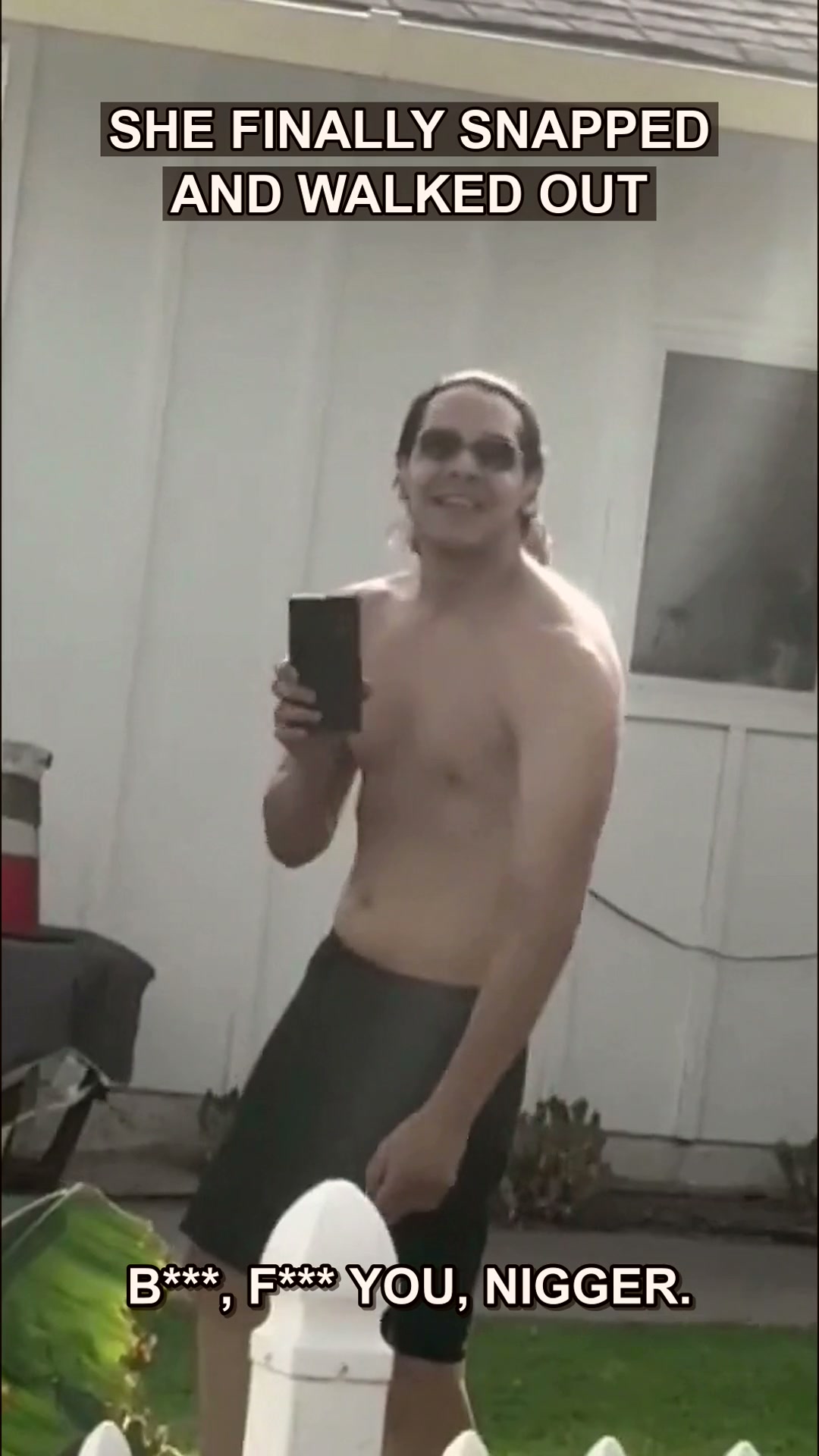
She went to court. She got a restraining order. And here’s where the story twists the knife: it didn’t work.
When Paper Protection Fails
Video footage shows Ramirez continuing his tirade despite the court order. He’s seen berating her, mocking her legal efforts, and doubling down on the racist rhetoric. The restraining order, which should have been a shield, feels like a piece of paper in a hurricane.
This isn’t just a neighbor dispute. This is a targeted campaign of racial harassment designed to push her out of a home she rightfully owns.
“Go ahead, show the judge… Nigger is!” — Gabriel Ramirez, caught on video, taunting his victim about the very legal system meant to protect her.
Let that sink in. He’s not hiding. He’s not apologizing. He’s mocking the system to her face. That’s not the behavior of someone who fears consequences. That’s the behavior of someone who believes he’s untouchable.

The Legal Precedent
So what happens when a restraining order is violated? In California, a violation of a restraining order is a misdemeanor, punishable by up to six months in jail and a $1,000 fine. But here’s the harsh reality: enforcement is reactive, not proactive. The victim has to call the police. The police have to respond. The district attorney has to prosecute. And in the meantime, the harassment continues.
For victims like this homeowner, the emotional toll is compounded by the financial one. Legal fees, missed work, security systems, and the sheer stress of living in a hostile environment add up quickly. That’s where personal injury law enters the picture.
While most people associate personal injury lawsuits with car crashes or slip-and-falls, intentional infliction of emotional distress is a valid claim. Racial harassment, especially when it’s as egregious and documented as this, can be the foundation of a civil lawsuit against the perpetrator.
What does this mean for this homeowner? She’s not just fighting to feel safe in her own driveway. She’s fighting for something bigger: accountability. And under the law, she has more tools than she might realize.
Why This Could Happen to You
Here’s the uncomfortable truth: this isn’t an isolated incident. Across the country, homeowners are discovering that the law is often slower than the violence of prejudice. A restraining order is a piece of paper. It doesn’t install a security camera. It doesn’t stand guard at your front door. It doesn’t scrub the slurs from your memory.
What it does do is create a legal record. And that record is gold when you decide to fight back in civil court.
If you find yourself in a similar situation, document everything. Every scream. Every slur. Every violation of the order. Video, audio, timestamps, witnesses. Build a case that a personal injury lawyer can take to court and turn into a settlement or verdict that makes the harasser think twice.

The victim in Antioch is doing exactly that. She’s recording. She’s filing. She’s standing her ground. But the question that lingers is whether the system will catch up to Gabriel Ramirez before he does something worse.
Because right now, he’s still out there. Still yelling. Still mocking. Still believing that his hatred outweighs her right to live peacefully in the home she worked so hard to buy.
And the only thing standing between her and complete chaos is a piece of paper and a court system that moves at the speed of bureaucracy.