Justice After the Cameras Stop Rolling: How Communities Hold Power Accountable When Enforcement Comes to Town
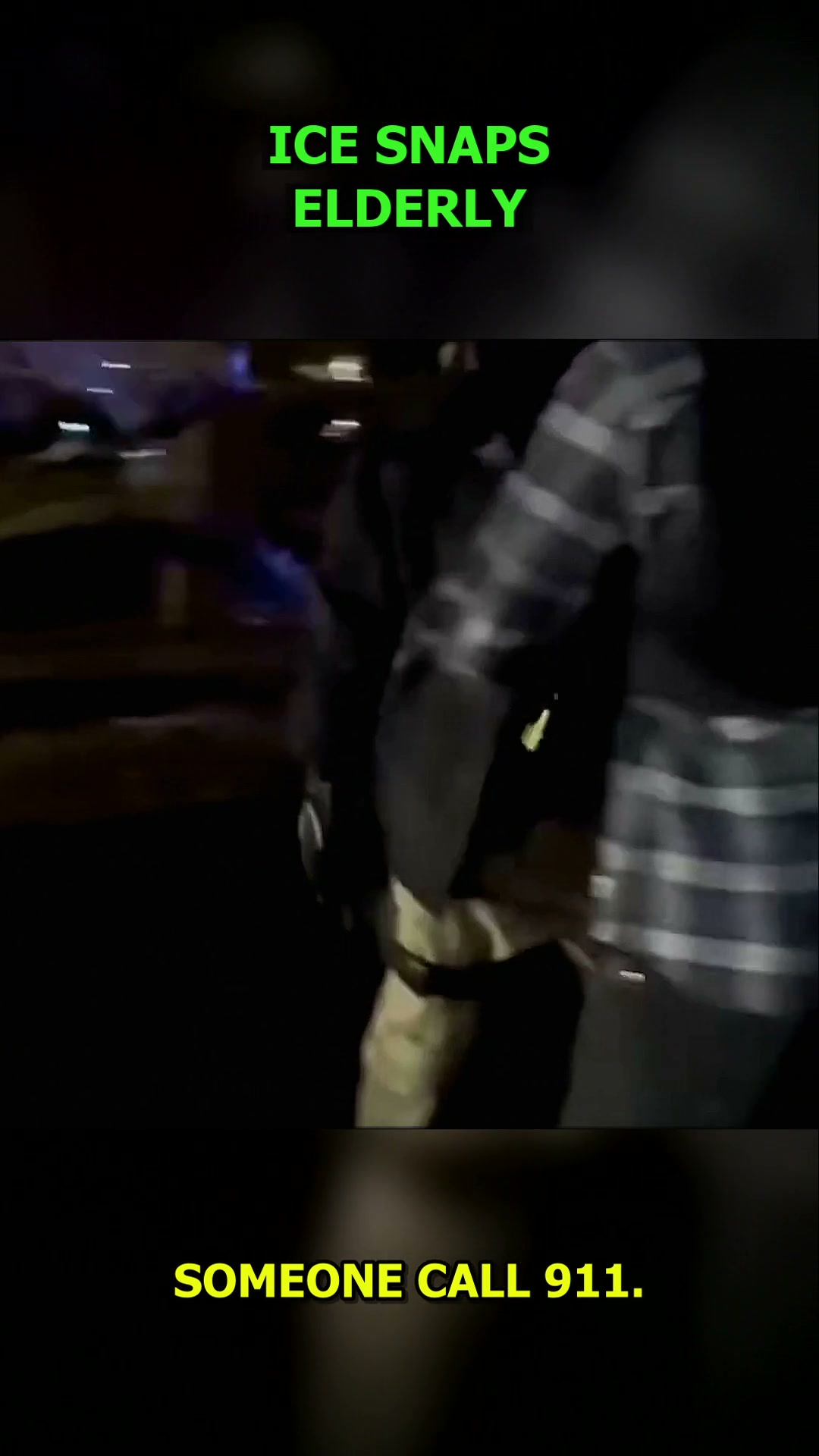
One viral clip. A thousand legal questions. And a community demanding answers that no federal agency is obligated to give.
Imagine walking to your car after grabbing coffee, only to see federal agents in unmarked vehicles taking someone into custody in broad daylight. That’s the scene playing out on phones across the country right now — and the footage is spreading faster than any official statement can contain.
The clip shows a federal immigration agent physically guiding a person into custody during a public operation. Within hours, it had been shared tens of thousands of times. Within a day, it had become a national flashpoint.
But here’s what nobody is talking about yet: what happens the morning after the cameras go dark? Who answers for what happened? And what, if anything, can ordinary people do about it?
The Legal Precedent: Where Federal Enforcement Authority Meets State Civil Codes
This is where the story gets uncomfortable. Federal immigration enforcement operates under a distinct set of legal authorities that often sidestep the local rules most Americans assume apply to everyone.
Civil rights attorneys point out that while federal agents have broad authority, they are not immune from constitutional constraints. The Fourth Amendment still applies. Due process still applies. And when those lines are crossed, victims have options — even if those options are slow, expensive, and exhausting.
“The footage is powerful. But the legal follow-through is where most of these cases quietly fall apart — and that’s the part nobody films.”
Complaints can be filed with the Department of Homeland Security’s Office of Inspector General. Civil lawsuits can be pursued under a legal doctrine known as Bivens, which allows individuals to sue federal agents for constitutional violations. But the process is brutal. It takes years. Most people give up.
- Was proper legal authority documented before the detention occurred?
- What recourse exists for bystanders who were also affected by the operation?
- How do local officials respond when federal actions bypass state-level oversight?
Civil Liability and Community Resources: What Victims and Witnesses Can Actually Do
Here’s the part that rarely makes headlines. When incidents like this happen, there is a quiet network of legal aid organizations, civil liberties unions, and community advocacy groups that mobilize within hours.
The American Civil Liberties Union operates rapid response teams in most major metropolitan areas. Local immigrant rights organizations maintain hotlines. Legal clinics at universities often take on cases pro bono when the facts are strong enough.
But the gap between knowing these resources exist and actually accessing them is enormous — especially for people who are already terrified, already financially strained, and already uncertain about their standing in this country.

Witnesses matter more than most people realize. Footage, timestamps, license plate numbers, badge identifiers — all of it becomes evidence. Communities that organize quickly tend to see better legal outcomes than those that don’t.
Similar civil confrontations across the country are forcing community leaders and local venues to confront serious liability under state regulations. Explore the full legal breakdown of related incidents →
Consumer Protection and Financial Fallout: The Hidden Costs of Being Detained
Nobody talks about the money. But they should.
When someone is detained — even briefly — the financial consequences cascade. Lost wages. Missed rent. Childcare costs that don’t pause. Legal fees that can run into the tens of thousands before a single hearing is scheduled.
For families already living paycheck to paycheck, one afternoon in federal custody can trigger a financial collapse that takes years to reverse. And unlike criminal proceedings, there is no guaranteed public defender for civil immigration matters.
“The detention lasts an afternoon. The invoice lasts a decade.”
Some states have stepped in with victim compensation funds, but eligibility varies wildly. Nonprofit legal defense funds exist, but they are overwhelmed. The system, by design, is not built for speed or sympathy.
What remains is community. Neighbors who show up. Attorneys who take the call. Organizations that keep records when the government doesn’t.

The footage will fade from feeds within a week. The hearings will stretch on for months. And somewhere, a family is still trying to figure out who to call first.