The Sympathy Divide: When Public Figures Face the Consequences of Their Own Rhetoric
One activist’s unflinching reaction to the Charlie Kirk incident exposes a raw nerve about who America mourns and who it forgets
- The public response to the Charlie Kirk shooting reveals a deep divide over who deserves compassion in America.
- Activists argue that sympathy should extend beyond high-profile figures to marginalized communities facing daily dangers.
- The incident raises uncomfortable questions about accountability, rhetoric, and the real-world consequences of political speech.
The news alert hit your phone like a thunderclap. Charlie Kirk, the conservative firebrand who has built a career on provocative statements about race, gender, and American identity, had been shot. And within minutes, the internet split into two warring camps: one expressing shock and sympathy, the other responding with a chilling question—why should we care?
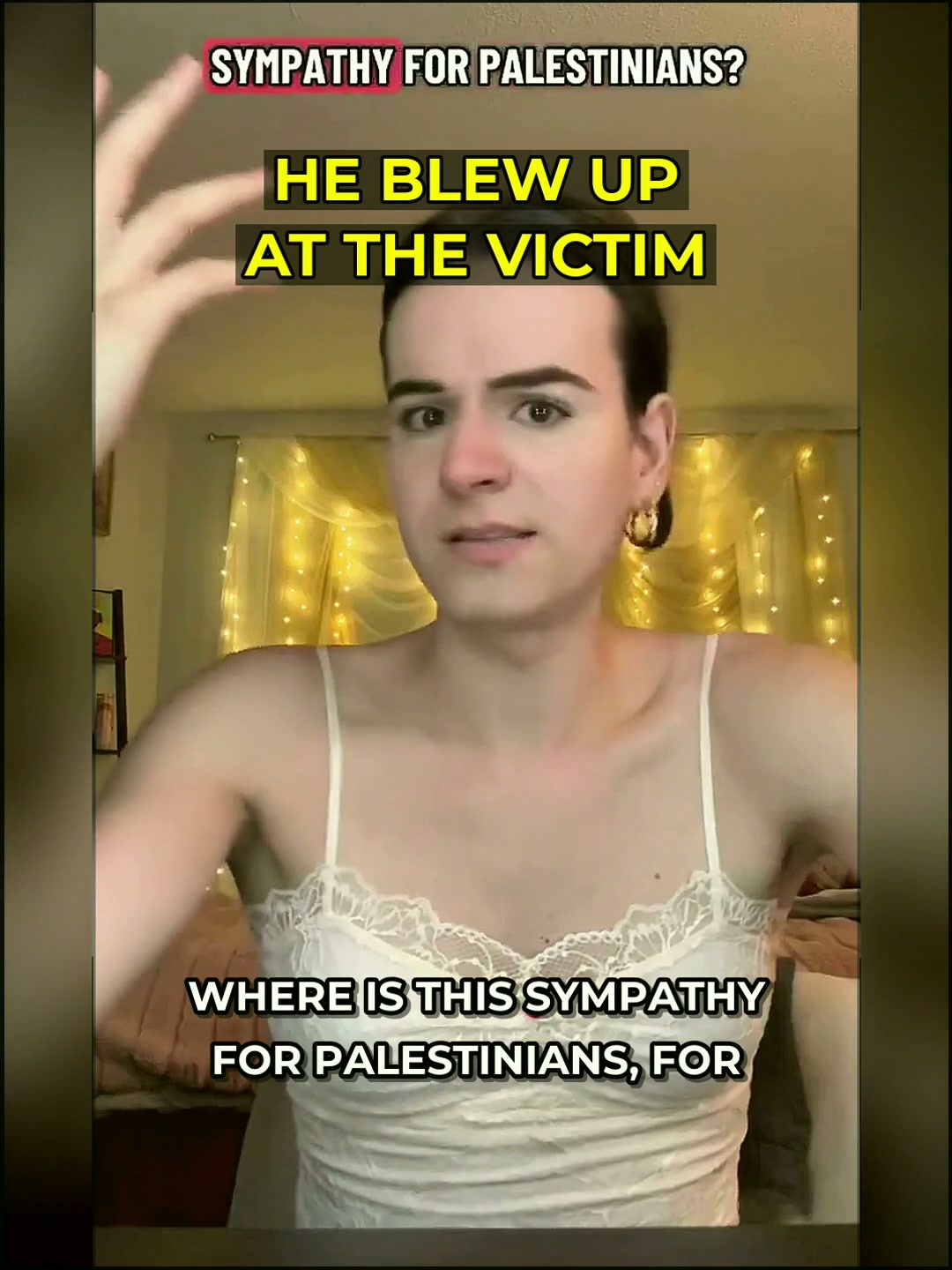
That second response came into sharp focus when a trans activist posted a now-viral video dismissing the sympathy directed toward Kirk. The activist’s words were blunt, unapologetic, and deeply unsettling to many: “The sympathy for Charlie Kirk is weird… this is the world he wanted and the world he was building.”
The activist didn’t stop there. They framed the shooting not as a random tragedy, but as an inevitable outcome of a career spent pushing divisive rhetoric. “He was shot in the middle of saying something transphobic about trans people,” the activist claimed. “You don’t have to like violence, but I’m confused as to how you thought the revolution was going to be magically bloodless.”
The Uncomfortable Question of Who We Mourn
Let’s be clear about what’s happening here. This isn’t just about one person’s reaction to a violent event. This is a window into a much larger cultural fracture—a divide over who America considers worthy of compassion and who it leaves to suffer in silence.
The activist’s core argument cuts deep: why does sympathy flow so freely for a controversial political figure, while the deaths of Palestinians, Sudanese people, Congolese civilians, and Black trans women barely register a blip in the national conversation?
“Where is this sympathy for Palestinians, for the Sudanese people, for the Congolese, for the black people in America that are killed at the hands of police violence?” the activist asked. “For the black trans women that are being murdered for simply existing?”
It’s a question that lands like a punch to the gut. Because the uncomfortable truth is that America has always had a selective memory when it comes to victims. Some lives are mourned on every news channel. Others are reduced to statistics in reports that nobody reads.
The Legal Precedent
When incidents like this occur, the legal system kicks into gear with a familiar rhythm. Local authorities investigate. Charges are considered. The justice system processes the event through its slow, deliberate machinery. But what happens after the headlines fade?
Victim support networks emphasize that regardless of political beliefs, anyone affected by violence deserves access to counseling, legal guidance, and community resources. The aftermath of a shooting—whether the victim is a public figure or an ordinary citizen—leaves scars that extend far beyond the physical wound.
“You don’t have to like violence, but I’m confused as to how you thought the revolution was going to be magically bloodless.”
Community accountability experts point out that moments like this force a reckoning. When public figures spend years framing entire groups of people as threats, what responsibility do they bear when someone takes those words to their logical conclusion? It’s a legal and moral question that has no clear answer—only uncomfortable implications.
Accountability or Callousness? The Fine Line
Here’s where the debate gets genuinely uncomfortable. The activist’s comments blur the line between demanding accountability and celebrating harm. There’s a difference between saying “this person’s rhetoric created a dangerous environment” and saying “this person deserved what happened to them.”
The first statement invites a necessary conversation about the power of words and the responsibility that comes with influence. The second statement crosses into territory that makes even hardened observers wince.
But the activist’s underlying point refuses to be dismissed: the same people rushing to express sympathy for Kirk have been notably silent when violence strikes marginalized communities. And that inconsistency feels like a betrayal to those who watch America’s compassion meter rise and fall based on the victim’s political affiliation.

What makes this moment so charged is that both sides feel genuinely wronged. Kirk’s supporters see a prominent voice silenced by political violence. The trans community sees yet another example of their humanity being treated as negotiable while their alleged oppressors receive the nation’s sympathy.
The activist’s final words hang in the air like smoke: “Why does this sympathy extend to a white supremacist but not to the communities that actually need your care?”
It’s a question that will not be answered tonight, or tomorrow. But it will linger in the comment sections, the dinner table arguments, and the quiet moments when Americans of all political stripes ask themselves who they would mourn—and who they would forget.