The True Measure of Justice: How Communities Hold Wrongdoers Accountable When Systems Stall
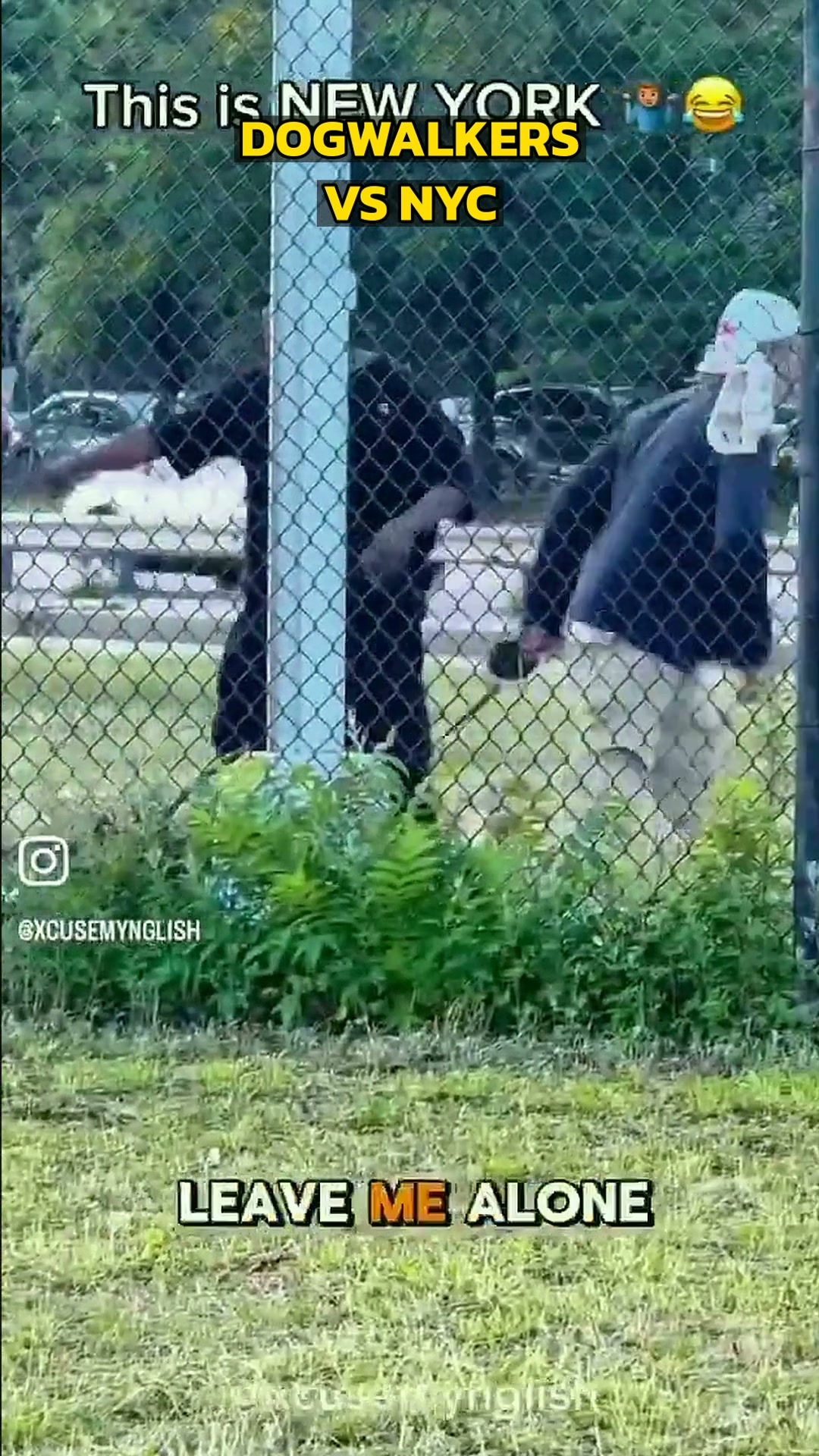
Behind every viral dispute is a victim waiting for follow-through — and a legal machine that rarely moves as fast as public outrage
Imagine standing on your own street, phone in hand, watching a routine walk with your dog turn into a full-blown dispute over territory you thought was public. The other party is loud. They’re wrong. And they know it. You start recording because deep down, you already sense this moment will matter later — in a courtroom, an insurance claim, or a hearing where someone has to answer for what they did.
That’s the thing nobody tells you about these confrontations. The incident itself lasts three minutes. The fight for accountability can last three years.
Across the country, ordinary Americans are discovering that being right and being made whole are two completely different battles. The first one is settled on the sidewalk. The second one gets settled in civil court, arbitration, or a claims adjuster’s spreadsheet — if it gets settled at all.

Civil Liability and the Follow-Through Gap: Why Most Victims Never See a Dime
Here’s the uncomfortable math. Winning a judgment and collecting on one are entirely separate legal universes. A plaintiff can walk out of a county courthouse with a signed order and still never see payment — because enforcement requires filings, wage garnishment requests, asset discovery, and fees that pile up faster than the award itself.
For smaller disputes, the amounts rarely justify the legal spend. Attorneys know it. The other side knows it. That’s why so many incidents end with an apology that never comes and a check that never clears.
“Getting the judgment is the easy part. Getting paid is where most people quit — and the system is built to let them.”
Small claims courts in most states cap damages between $2,500 and $25,000. Filing fees run $30 to $200. Service of process costs more. Then comes the collection phase, which is essentially a second legal proceeding nobody warns you about.
The Legal Precedent: Where Private Rules Clash With State Civil Codes
Every dispute like this quietly tests a question courts hate answering: whose rules actually govern shared public space? Homeowners associations, private communities, and even individual property owners frequently operate under the assumption that their preferences carry legal weight. State civil codes often say otherwise.
Public easements, right-of-way statutes, and local ordinances define what’s enforceable. A rule posted on a sign is not the same as a rule a judge will uphold. When those two collide, the party who assumed authority usually discovers — too late — that assumption isn’t a defense.
- Does the recorded footage meet the evidentiary standard for a civil filing, or does it fall short without corroborating witnesses?
- Which jurisdiction actually controls — the private community’s internal rules, or the state civil code governing public access?
- If damages are awarded, does the defendant have recoverable assets, or is the judgment functionally unenforceable?
This is the part that keeps attorneys up at night. Evidence that feels devastating on a phone screen often gets whittled down in discovery. Context gets disputed. Timestamps get challenged. What looked like a slam dunk becomes a negotiation.

Victim Rights and Community Resources: What Actually Helps After the Incident
There is a support infrastructure most people don’t know exists until they need it. State victim compensation programs, legal aid societies, and county mediation services exist specifically for situations that fall between criminal and trivial. The catch: you have to find them, and you have to file within deadlines that range from 30 days to two years depending on the state.
Documentation is the single highest-leverage move a victim can make. Timestamped video. Witness names and contact information. A written account filed the same day. Medical or property damage records. Every one of those items is a brick in a wall that the other side has to climb.
Similar civil confrontations across the country are forcing community leaders and local venues to confront serious liability under state regulations. Explore the full legal breakdown of related incidents →
Community mediation programs resolve a surprising share of these cases without a courtroom ever entering the picture. They’re free or low-cost in most counties. The tradeoff is that participation is voluntary — and the party who behaved badly rarely volunteers.
That’s the accountability gap in one sentence. The system offers tools. The tools require cooperation. Cooperation is exactly what’s missing.

Legal aid organizations report that demand for civil dispute assistance has climbed steadily, while funding has not. Waitlists stretch for weeks. Intake screenings reject cases that fall outside narrow eligibility windows. The people who need help most are often the ones who qualify for it least.
Meanwhile, the other party moves on. No filing. No consequence. No memory of the afternoon they made someone else’s life measurably harder.
And somewhere in a county clerk’s office, a file sits unopened — waiting for a victim who was told the process would work, and is still waiting to find out if that was true.