The Unsettling Echo of Chaos: How Campuses Reckon with Accountability After the Crowds Disperse
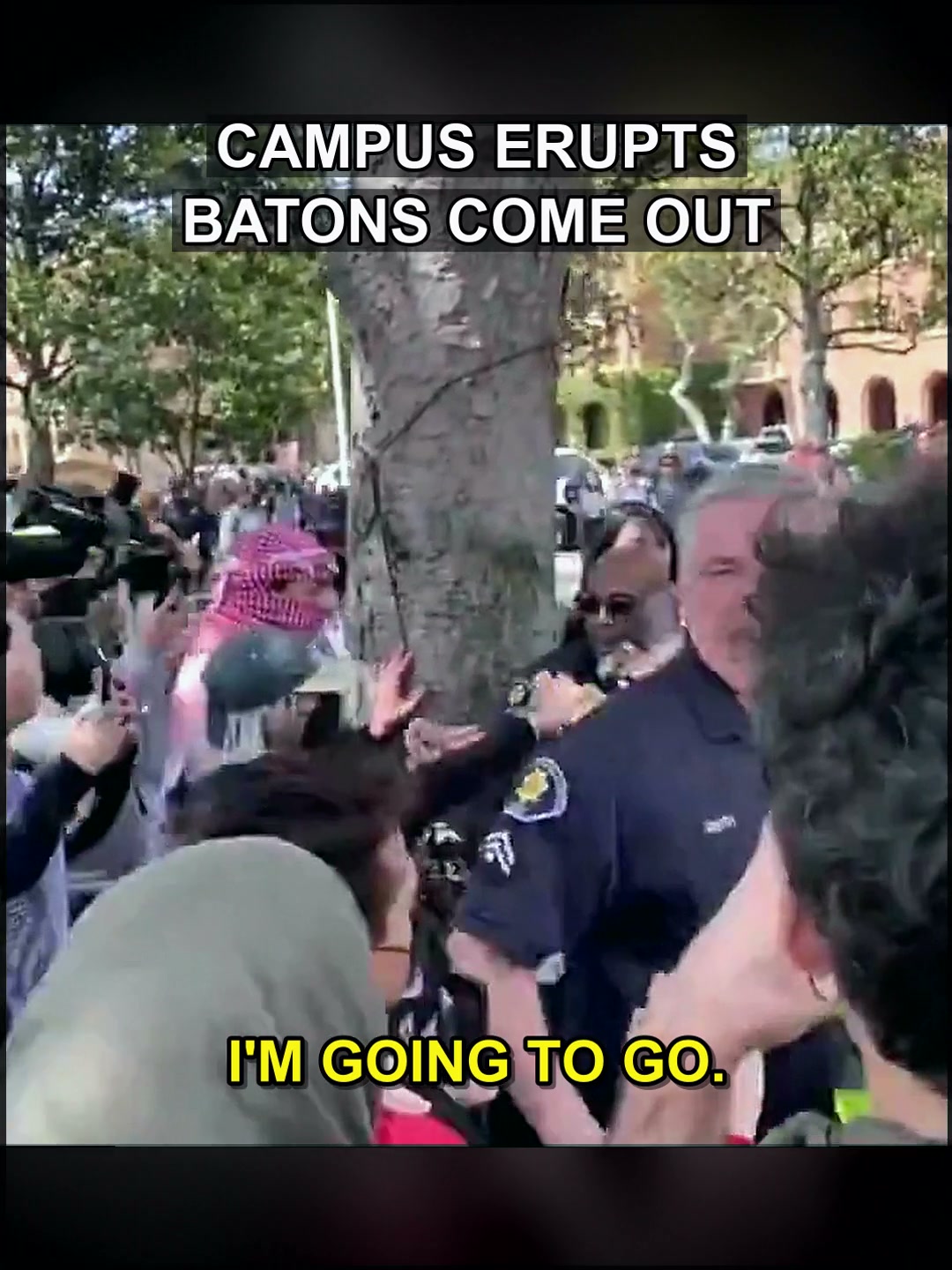
As demonstrations surge from Columbia to USC, the real question isn’t about the protest itself—it’s about the quiet aftermath for students, faculty, and the rule of law.
- University administrations face mounting pressure to enforce conduct codes without trampling free speech rights.
- Legal experts point to a patchwork of state laws and campus policies that determine who pays for property damage and who faces academic probation.
- For students who feel unsafe or displaced by the unrest, confidential counseling and legal aid services are often the first line of defense.
Picture this: you are a sophomore at a prestigious university, sitting in your dorm room, trying to cram for finals. Outside your window, the air is thick with chants. The lawn you studied on yesterday is now a sea of signs and shouting. Within hours, the university quad transforms into a pressure cooker, and the tension is so thick you could cut it with a textbook.
That is the reality for thousands of students right now. From the ivy-covered walls of Columbia to the sun-soaked plazas of USC, campuses have become flashpoints. The scenes are jarring: crowds swelling, voices clashing, and in some cases, local authorities stepping in with batons to disperse the surge. It is a raw, unedited truth that is leaving many to wonder: what happens to the rulebook when the campus becomes a battlefield of ideals?
Let’s be clear about one thing: the right to protest is a cornerstone of academic life. It is loud, messy, and often inconvenient. But when demonstrations escalate into physical disruption—blocking buildings, halting classes, or causing property damage—the conversation shifts violently from “free expression” to “public safety.” And that is where the real tension begins.
Administrators are caught in a vice grip. If they act too forcefully, they face accusations of suppressing dissent. If they stand down, they risk a total breakdown of campus order. The result? A confusing, often contradictory response that leaves students feeling abandoned and parents feeling furious.
The Legal Precedent: Where Free Speech Meets Hard Consequences
When the chants die down and the crowds thin out, the real work begins. This is not about the politics of the moment; it is about the mechanics of accountability. Universities are not lawless zones. They operate under strict student conduct codes that often mirror state laws regarding trespassing, vandalism, and disruption of educational activities.
The legal precedent here is murky but consequential. In some states, the moment a demonstration blocks access to a building, it ceases to be protected speech and becomes a criminal act of obstruction. Students who participate in the physical blockade—even if they are merely standing in solidarity—can find themselves facing academic probation, suspension, or even legal charges that follow them far beyond graduation.
“The line between passionate advocacy and punishable disorder is drawn by the actions of the crowd, not the righteousness of the cause.”
This is where common sense often gets lost in the noise. A student who skips class to attend a rally is exercising a right. A student who chains themselves to a library door is committing an act of civil disobedience with known consequences. The tragedy is that many young people are being swept up in the energy of the moment without a clear understanding of the financial and academic liability they are incurring.
Accountability: Who Pays the Price for the Chaos?
The immediate question on every parent’s mind is not about geopolitics—it is about the bill. Who pays for the broken windows, the graffiti, the overtime for the extra security detail? In most cases, the university’s insurance policy takes the initial hit. But the recovery process often involves pursuing restitution from the individuals identified as instigators.
This is not just a slap on the wrist. We are talking about civil lawsuits, permanent disciplinary records, and the potential revocation of visas for international students. The threat to the reader is simple: if your child is on that campus, they are one bad decision away from a life-altering consequence.

For the students who are simply trying to get to class, or the faculty who are trying to maintain a neutral learning environment, the disruption is a violation of their own rights. They are the silent victims of this chaos. Their tuition dollars fund the cleanup. Their semester is derailed. Their sense of safety is shattered.
So, what resources exist for them? Most universities are now activating crisis response teams and offering confidential counseling for students who feel traumatized by the events. The key is knowing where to look. The student health center is often the first stop, but legal aid offices on campus are also gearing up to advise students who may have been wrongly accused or caught in the crossfire.
The Uncomfortable Aftermath
As the dust settles, the focus shifts to the long game of discipline and deterrence. University judicial boards are convening, reviewing hours of footage to identify the key players in the disruption. The process is slow, deliberate, and often opaque. For the average student, this creates an environment of anxiety—will the person standing next to them at the next lecture be the one who threw a chair?
The unedited truth is that this is a crisis of leadership. The administration’s failure to clearly communicate the boundaries of acceptable protest has created a vacuum where chaos thrives. They preach dialogue, but they practice delay. And in that delay, the situation escalates until batons are drawn and the headlines are written.
For those who feel the system has failed them, the message is to document everything. If you are a student who felt threatened or a local resident whose property was affected, keep records. The pursuit of justice in these scenarios is rarely swift, but it is possible.
The crowds will eventually find a new cause, and the news cycle will move on. But for the students who now walk through metal detectors or face an uncertain disciplinary hearing, the echo of those chants is a stark reminder that actions have consequences. And the question that lingers—uncomfortably unresolved—is whether the institutions we trust to shape young minds are capable of restoring the order they so readily allowed to slip away.