The True Measure of Justice: What Happens After a Tow Truck Dispute Turns Physical
When private enforcement crosses the line, the fight for accountability begins long after the cameras stop rolling
Imagine stepping outside your front door, coffee still warm in your hand, and watching a tow truck driver lower the hydraulic arms toward your vehicle. No warning. No knock on the door. Just the cold reality of a private company enforcing a rule you may not have even known existed. That is the moment when a routine parking dispute can spiral into something far more serious.
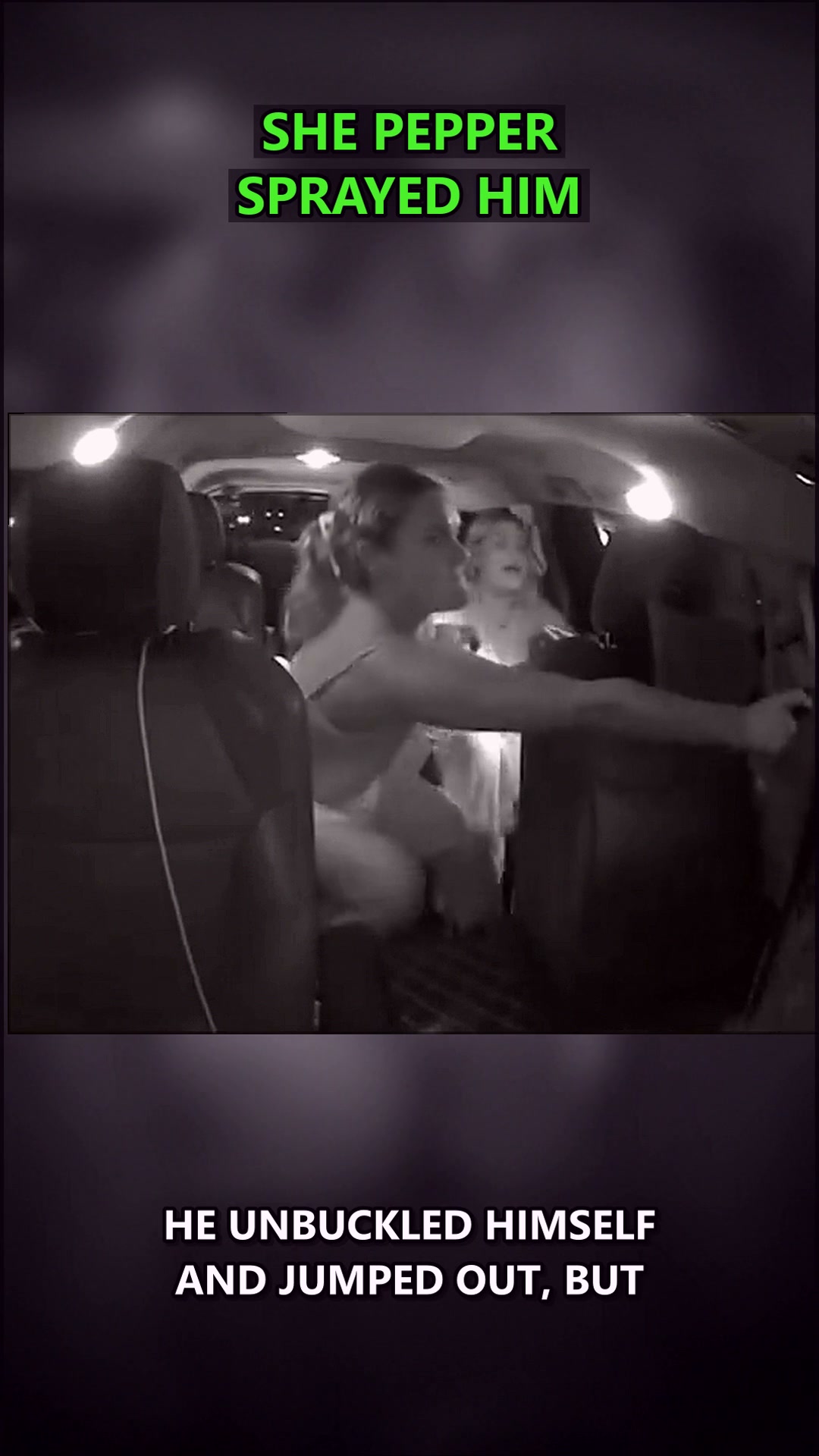
For one woman, that moment ended with pepper spray deployed and a camera rolling. The footage shows the chaotic seconds as a tow operator worked to secure a vehicle while the owner desperately tried to stop him. What started as a property dispute became a physical confrontation that now raises uncomfortable questions about who has the right to enforce, who has the right to resist, and what happens when the system fails both sides.
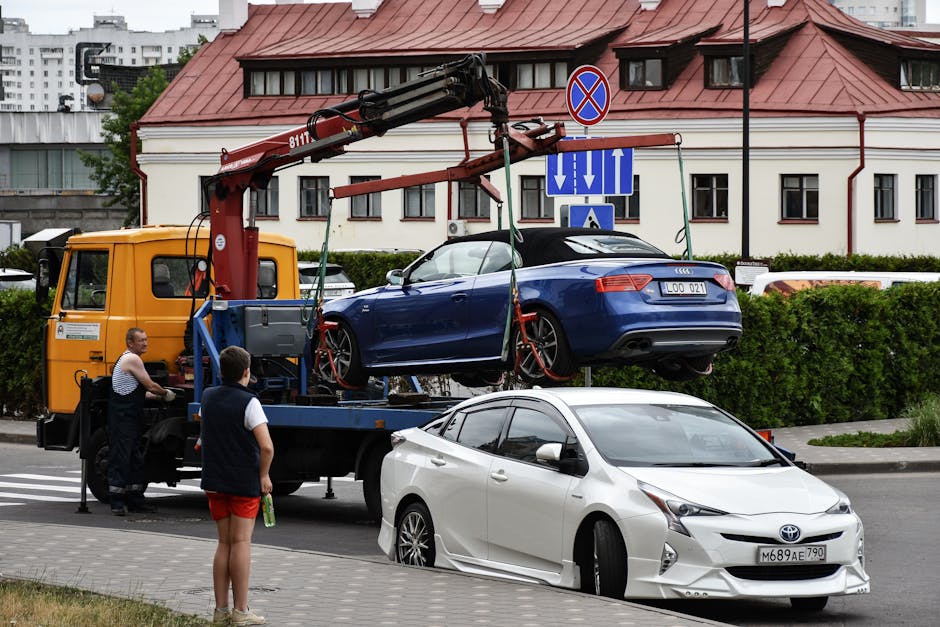
The incident is not an outlier. Across the country, private towing companies operate in a gray zone where property rights collide with consumer protections. Homeowners and renters alike have found themselves staring down the barrel of a $300 impound fee, a ruined credit score, or worse, a physical altercation that leaves them facing legal consequences they never anticipated.
The Legal Precedent: Where Private Rules Clash With State Civil Codes
Every state has its own set of regulations governing private towing. Some require signage. Some mandate a grace period. Some demand that the tow operator notify local authorities before removing a vehicle. But enforcement is inconsistent, and many property management companies rely on the threat of towing as a revenue stream rather than a genuine solution to parking problems.
When a tow operator hooks up a vehicle, they are acting as an agent of the property owner. That legal distinction matters. If the tow was unauthorized or violated state statutes, the vehicle owner may have grounds for a civil claim. But if the owner responds with force, the legal tables can turn rapidly.
That is the trap. The person who feels wronged in the moment may become the person facing charges in the aftermath. The system does not reward urgency. It rewards documentation, patience, and a willingness to fight a battle that can take months or years to resolve.
- Did the tow operator follow state-mandated notification procedures before hooking up the vehicle?
- What legal protections exist for vehicle owners who believe a tow was unlawful or predatory?
- How does a physical response during a property dispute affect the owner’s civil and criminal liability?
For the woman in the video, the pepper spray may have delayed the tow. But it also created a chain of events that could follow her for years. The operator can file a complaint. The property owner can pursue damages. The legal fees alone can dwarf the cost of simply paying the impound fee and fighting the tow in court afterward.
“The moment you put your hands on someone or deploy a weapon, you shift from being the victim of a bad policy to being the defendant in a criminal case. That is the reality nobody wants to hear.”

Civil Liability and Business Codes: Hidden Legal Risks for Local Venues
Property management companies and local businesses that contract with towing operators are not immune from the fallout. Under many state civil codes, they can be held liable if their towing vendor violates consumer protection statutes. That means aggressive towing practices can expose a business to lawsuits, fines, and reputational damage that far outweigh the revenue from impound fees.
Some states have enacted strict laws requiring tow operators to photograph vehicles before removal, provide written notice to local law enforcement, and give owners a reasonable opportunity to retrieve their property without excessive fees. But these protections only matter if the person behind the wheel knows they exist and knows how to invoke them.
The pepper spray incident highlights a brutal truth: when people feel cornered, they do not think about statutes. They react. And that reaction can cost them everything.
Similar civil confrontations across the country are forcing community leaders and local venues to confront serious liability under state regulations. Explore the full legal breakdown of related incidents →
Consumer Protection and Financial Fallout: What Precedent Does This Set?
The financial stakes in these disputes are not minor. A single tow can cost a vehicle owner hundreds of dollars in impound fees, storage charges, and administrative costs. If the vehicle is sold at auction because the owner cannot afford to retrieve it, the loss can be catastrophic. For families living paycheck to paycheck, a tow can trigger a cascade of consequences that lead to job loss and housing instability.
That is why consumer protection advocates argue that towing regulations need to be stronger, clearer, and more consistently enforced. But until that happens, the burden falls on individuals to know their rights, document everything, and resist the urge to take matters into their own hands.
The woman in the video learned that lesson in the most public way possible. The footage will live online forever. The legal consequences may take months to unfold. And the question of whether justice was served will depend entirely on which side the courts believe was acting within the law.

For now, the tow truck driver has returned to work. The property owner has likely reviewed their contract. And the woman at the center of the storm is left to navigate a legal system that moves slowly, costs dearly, and rarely delivers the kind of immediate justice that feels satisfying in the moment.
What happens next depends on whether charges are filed, whether civil claims are pursued, and whether anyone with the power to change the system decides that this time, the rules need to be rewritten. Until then, the next vehicle owner staring down a tow truck will face the same impossible choice: comply and pay, or resist and risk everything.