Abandoned in Long Beach: What Justice Actually Looks Like When a Pet Is Left Behind
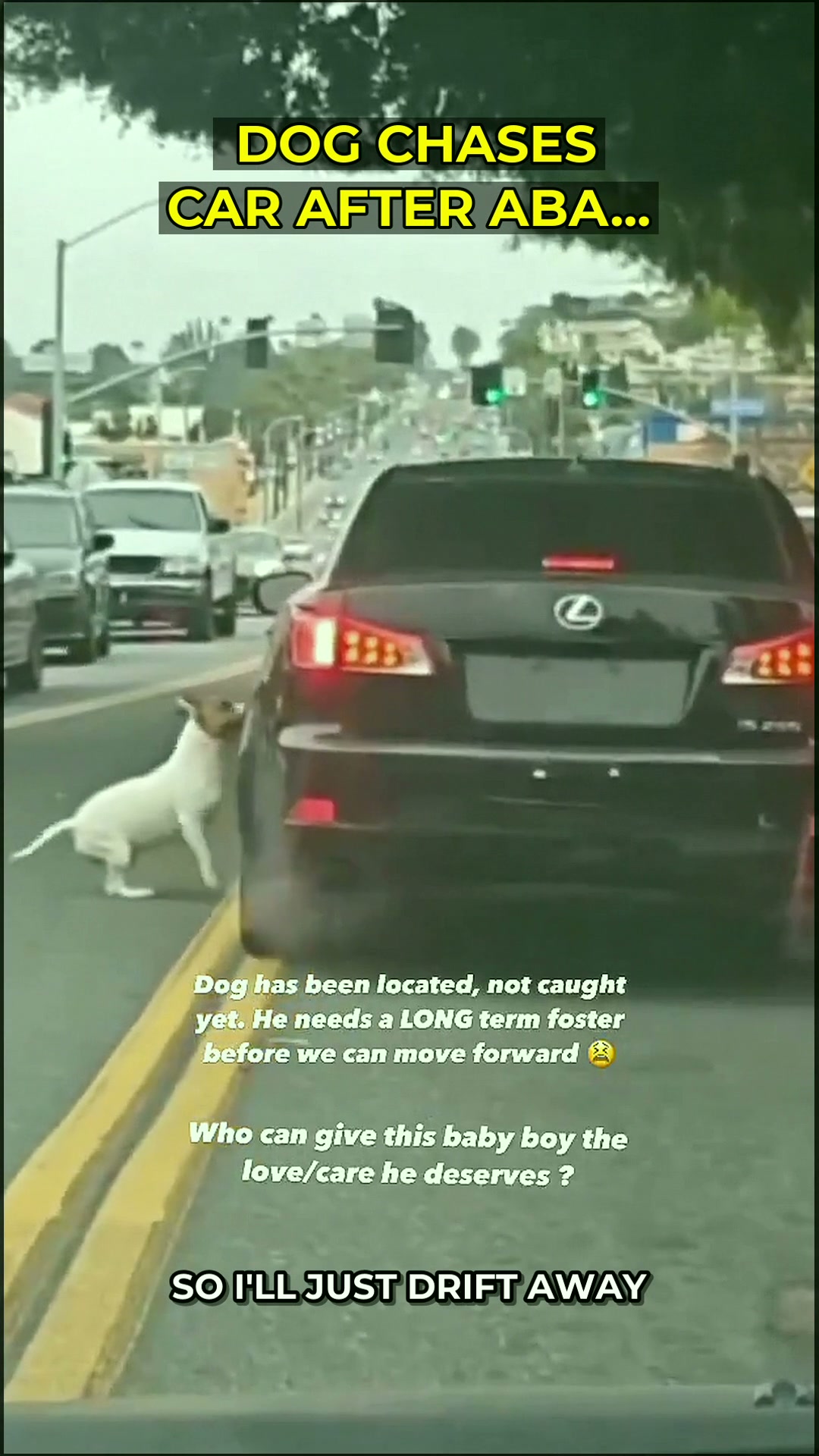
The dog chased the car for blocks. The driver kept going. Now the real question begins: who answers for it, and what happens next.
- California law treats intentional pet abandonment as a criminal matter, not a minor slip-up.
- Community members and local authorities are often the first line of accountability when a pet is left behind.
- Victim advocates and animal welfare groups provide real, practical resources for animals and witnesses.
Imagine a quiet Long Beach street. A car door opens. A dog jumps out. Then the door shuts, the engine revs, and the vehicle pulls away. The dog does not understand. So he runs.
That is the scene captured on video by a food delivery driver passing through the area. The animal reportedly tried to jump back into the owner’s car. When that failed, he chased the vehicle for several blocks. He could not keep up.
The footage spread quickly. Not because it is unusual in a technical sense, but because it is the kind of moment that stops a scrolling thumb cold.

The Law Does Not Shrug at This
In California, abandoning an animal is not a gray area. State law treats intentional abandonment as a criminal offense. Depending on the circumstances, it can be charged as a misdemeanor with real penalties attached.
That matters. Because the instinct after watching a clip like this is to feel helpless. To assume nothing will happen. But the legal process exists precisely for moments like this, and it runs on one fuel: documentation.
The delivery driver who filmed the incident did something quietly powerful. They created a record. A time, a place, a vehicle, a sequence of events. That record is exactly what local authorities and animal services need to open a case.
“Accountability does not start with outrage. It starts with someone writing down what they saw.”
What Community Accountability Actually Looks Like
There is a version of this story where nothing happens. The clip gets views, the comments pile up, and the dog becomes a footnote. That version is common. It is also preventable.
Long Beach Animal Care Services and similar agencies across Southern California operate on a simple principle: reports move cases. A witness statement, a license plate, a timestamp, a location. Each detail gives authorities a thread to pull.
Community members who saw the footage did what engaged neighborhoods are supposed to do. They flagged it. They shared it. They directed attention toward the agencies with the authority to act. That is not vigilante behavior. That is civic follow-through.

The Legal Precedent
California has a long record of prosecuting animal abandonment cases, and the pattern is consistent. Cases move forward when there is evidence. Cases stall when there is not.
Courts in the state have treated abandonment as a matter of public concern, not just private conduct. The reasoning is straightforward: an abandoned animal becomes a public safety issue the moment it is left on a street. It can be struck by a vehicle. It can become aggressive out of fear. It can wander into traffic and create a hazard for drivers who never asked to be part of someone else’s decision.
That is why penalties exist. Not as symbolism. As a functional deterrent and a functional consequence.
Resources for Those Affected
If you witness something like this, there are concrete steps. Contact local animal services with the location, time, and any footage. Provide a vehicle description if you have one. Keep the original file, not just a repost.
For animals recovered from abandonment situations, regional shelters and rescue organizations provide medical care, behavioral assessment, and placement. These systems are not perfect. They are also not empty. They run on the same principle as the legal process: someone has to care enough to make the call.

The dog in the Long Beach footage did not get to choose any of this. He ran because running was the only thing left to do. The car did not slow down.
What happens next depends entirely on whether the people who saw it decide that a video is enough, or whether they decide a video is just the beginning.