Security Cam Captures Attempted Break-In at Texas Ranch House
WATCH: On-scene video documentation is embedded below →
LISTEN TO THIS ARTICLE
Audio Narration • English (US)
In the quiet expanse of a Texas ranch, a routine afternoon is shattered by the crunch of gravel under unfamiliar boots. A group of figures approaches a neatly kept porch, their movements deliberate and unhurried, testing the boundaries of a home that stands as a solitary outpost. The security footage captures a tense, silent confrontation between the privacy of a residence and the audacity of those who would breach it.
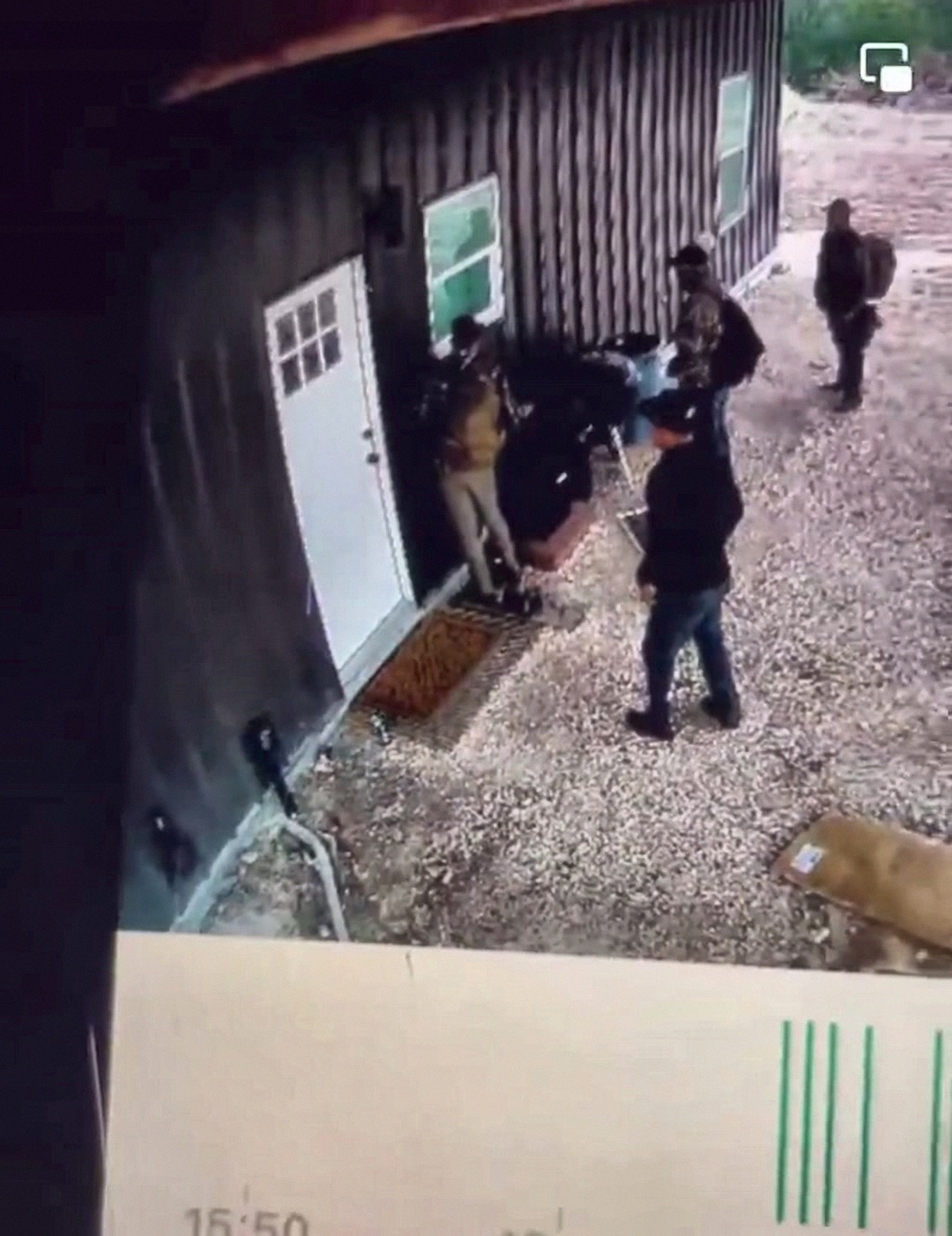
- A group of individuals is captured on a ranch's security camera approaching the front door of a remote home in Edwards County, Texas.
- The footage shows one figure physically testing the door handle and attempting to force entry while others stand watch on the gravel path.
- The homeowner, who was not present at the time, has previously invested thousands of dollars in security upgrades that ultimately thwarted this specific attempt.
- Despite the clear recording of the event, the suspects had vanished by the time authorities arrived, leaving behind a community rattled by the proximity of the intrusion.
What the Recorded Footage Captures: Chronological Breakdown
The video begins with an unsettling calm. The timestamp in the corner marks a mid-afternoon hour, the kind of bright, clear day that usually promises safety. From the left edge of the frame, a figure dressed in dark clothing and a cap steps into view, moving directly toward the white-paneled door. The camera angle is high, offering a stark, unblinking view of the gravel yard and the corrugated metal siding of the building. There is no hesitation in the approach; the figure walks with the confidence of someone who believes they are unobserved.
As the first individual reaches the porch, the atmosphere shifts from approach to action. This person steps onto the welcome mat and immediately engages with the door, their body language suggesting a focused effort to gain entry. Behind them, a second and third figure emerge from the right side of the frame, their postures casual but their attention fixed on the surrounding property. One of the watchers carries a large, dark bag slung over a shoulder, adding a layer of ominous preparation to the scene. The group's presence on the gravel creates a stark contrast to the stillness of the rural setting.
The tension peaks as the figure at the door appears to apply force, leaning into the frame before stepping back. The others move closer, creating a cluster of activity on the small porch. They do not rush; instead, they linger, as if calculating their next move or waiting for a signal. After a prolonged moment of testing the home's defenses, the group begins to dissolve. They step off the porch and drift back toward the right side of the frame, their departure as unhurried as their arrival, leaving the door intact but the sense of security irrevocably damaged.
Critical Blind Spots: What the Lens Leaves Unresolved
While the security camera provides a clear visual record of the attempt, it leaves crucial gaps in the narrative of what actually transpired in the moments leading up to the event. The lens captures only the immediate perimeter of the porch, offering no context on how the group arrived at this specific location or what their intentions were beyond the physical act of trying the door. The footage is silent to the conversations that might have taken place among the figures, leaving viewers to interpret their gestures and glances without the benefit of their words.
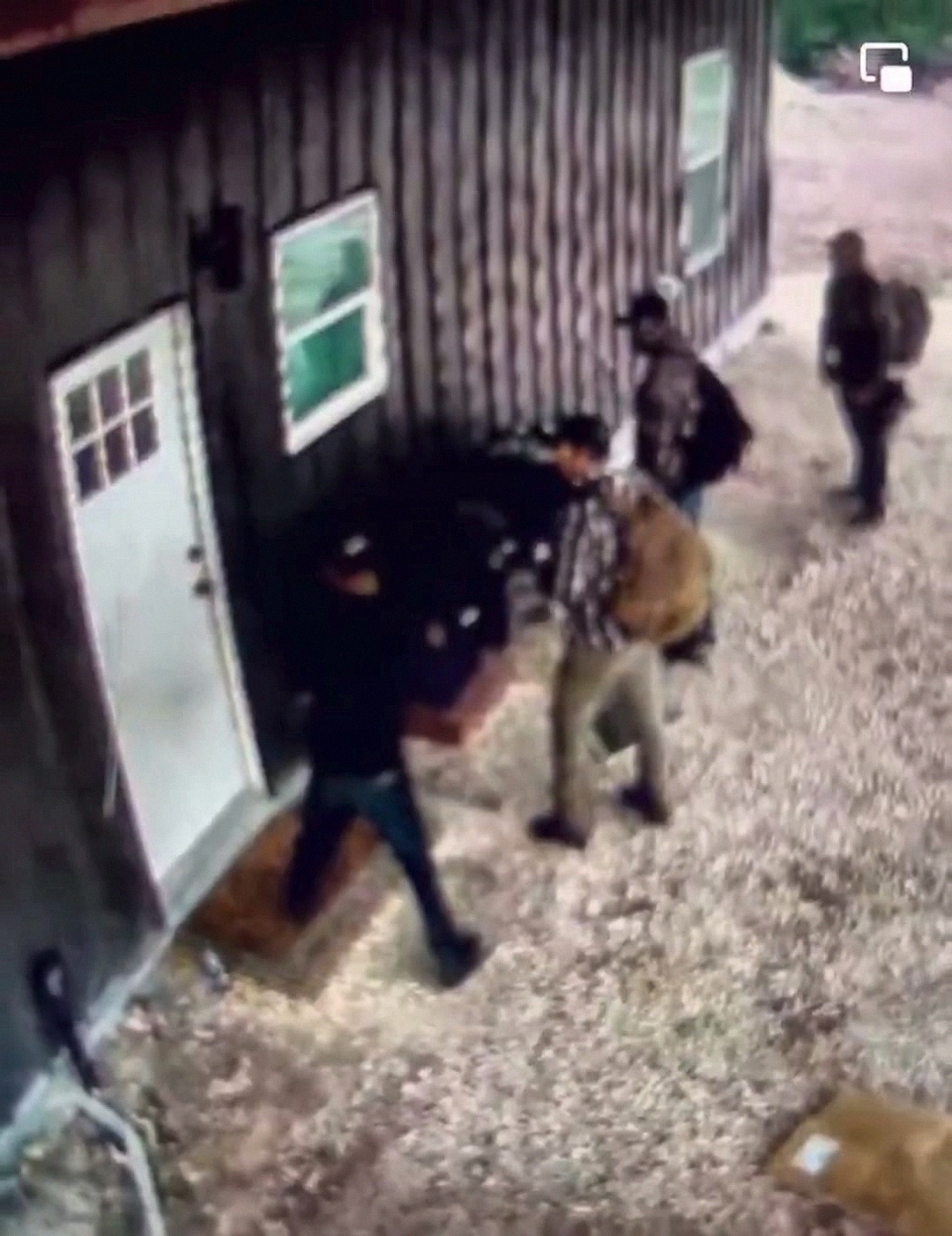
Furthermore, the camera's fixed position means we cannot see the escape route or the vehicle that may have been waiting out of frame. The unspoken tension lies in the aftermath: the homeowner's discovery of the footage and the realization that a violation was attempted. The fact that the suspects were gone before help could arrive underscores a significant blind spot – the vast, unpatrolled distances of rural properties that make immediate response impossible. The camera records the crime, but it cannot prevent the escape.
Statutory Framework and Protocol Analysis
In rural jurisdictions, the response protocol for a suspected break-in hinges on the dispatch of available units to a location that may be miles from the nearest station. When the homeowner reported the incident, the standard procedure would involve officers conducting a perimeter check and canvassing the area for the suspects. However, the delayed discovery of the footage often means the trail has gone cold. The homeowner's proactive investment in security – specifically the reinforced door and locking mechanisms – serves as a critical layer of defense that bought time and prevented a breach.
| Incident Parameter | Recorded On-Scene Evidence |
|---|---|
| Time of Day | Mid-afternoon, bright natural light |
| Location | Remote ranch property, Edwards County, TX |
| Subject Count | Multiple individuals approaching the porch |
| Entry Method | Attempted forced entry on the front door |
| Property Status | Secured; door resisted forced entry |
| Suspect Departure | Walked away toward the right of frame |
| Response Outcome | Suspects gone upon arrival of authorities |
Read more:
Read more: Teen Subway Surfer Critical After Fall From J Train in Brooklyn →
The analysis of this event highlights a stark reality for rural property owners: the reliance on remote monitoring and physical hardening of the home. The homeowner's statement that this has happened before suggests a pattern of vulnerability that extends beyond a single random event. The community expectation is that law enforcement will interdict such attempts, but the geography and the speed with which the suspects moved create a challenging environment for immediate apprehension. The focus then shifts to the forensic value of the footage and the community's vigilance in reporting suspicious activity.
Core Questions and Institutional Review
- What specific indicators led the homeowner to invest in security upgrades prior to this incident?
- How did the group coordinate their movements, and what was the role of the individual carrying the large bag?
- What is the timeline between the recorded attempt and the notification to authorities?
- Are there other properties in the immediate vicinity that experienced similar attempts on the same day?
The footage ends with the porch empty once more, the gravel settling back into stillness. The question that lingers for every viewer is one of preparedness: in a world where cameras capture everything but cannot intervene, how does a community balance the need for isolation with the necessity of mutual protection?
LATEST DEVELOPING INCIDENT
An even more shocking incident just erupted hours ago that has stunned onlookers nationwide. Full investigative breakdown and on-scene evidence documented below.
BREAKING: READ NEXT SHOCKING INCIDENT – LATEST CASE ↓
Pagosa Springs Flood: House Swept Away in San Juan River
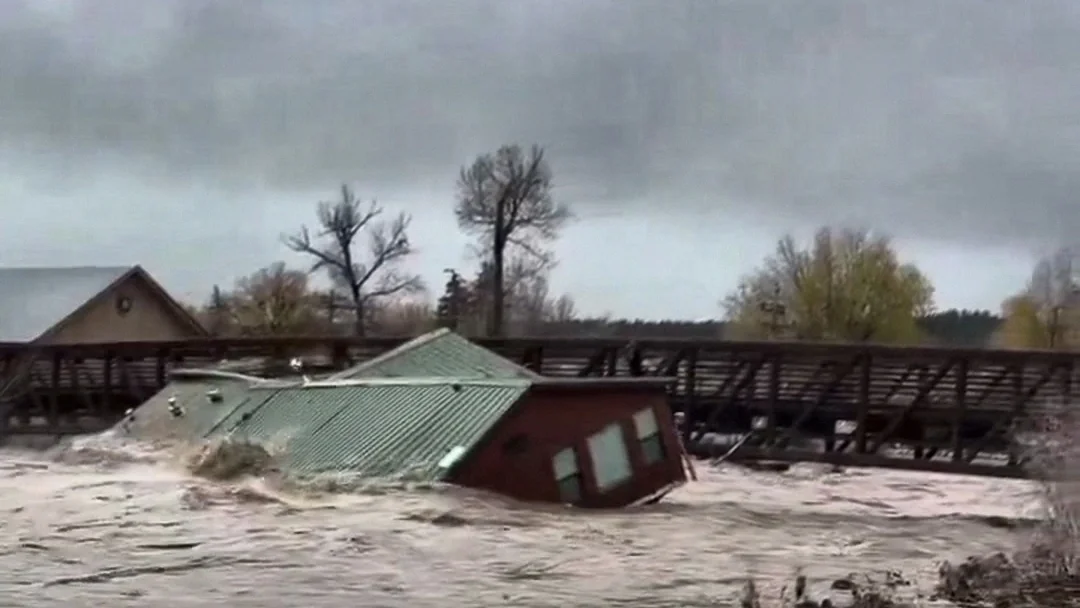
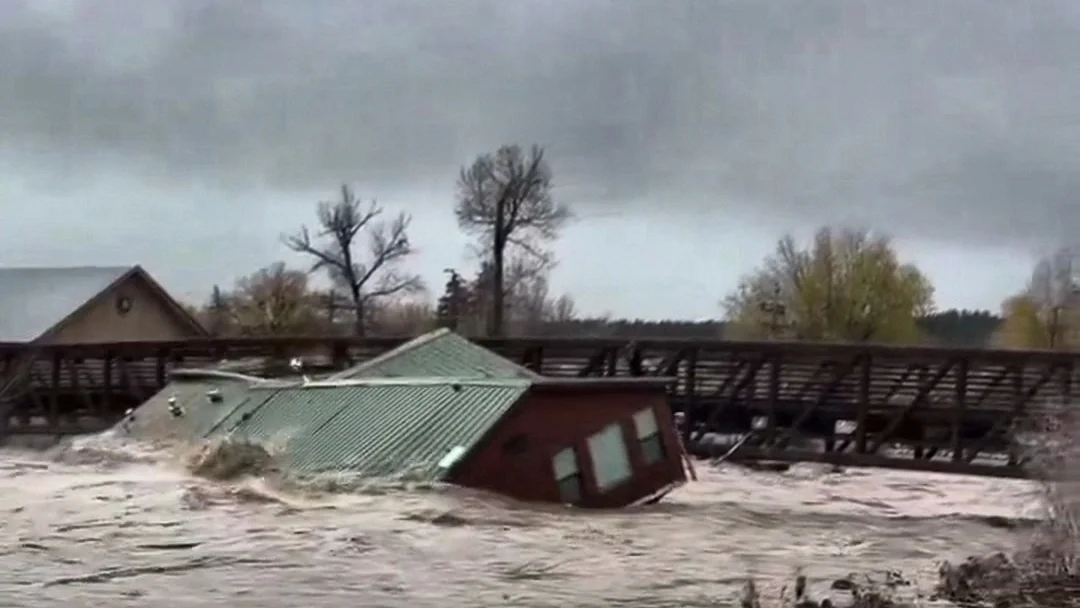
Under a bruised and heavy sky, a red cabin is torn from its foundation and dragged into the churning brown water of the San Juan River. Onlookers can only watch in stunned silence as the structure is battered against a bridge and then swallowed whole by the current. It is a scene of raw, unstoppable force that leaves a community grappling with the sheer speed of destruction.
- A residential structure was swept away by the San Juan River in Pagosa Springs, Colorado, on November 2, 2026.
- The home was carried downstream and collided with a bridge before being pulled beneath the surface.
- The recording captures the immediate, helpless reaction of bystanders as the building disintegrates.
- The event is part of historic flooding that has forced evacuations and caused widespread infrastructure damage across the region.
What the Recorded Footage Captures: Chronological Breakdown
The clip opens on a grim, overcast afternoon. The river has already breached its banks, transforming into a wide, muddy torrent that consumes the landscape. In the center of the frame, a single-story red building with a green roof is already off its foundation, tilting precariously as the water pummels its sides. The audio is dominated by the roar of the flood, a constant, menacing hiss that drowns out almost everything else. Then, a voice cuts through the noise, small and disbelieving: "Oh my… Oh my god."
The structure begins to move with terrifying purpose. The current does not just push it; it lifts and drags the home toward a dark wooden bridge that spans the river in the background. The building rotates slowly, exposing its windows and siding to the full force of the water. It is a slow-motion disaster, each second stretching out as the inevitable collision draws closer. The water churns white around the edges of the structure, hungry and relentless.
Then comes the impact. The home strikes the bridge with a sickening crunch, the sound lost in the roar of the water but visible in the violent shudder that runs through the frame. The green roof buckles, and the red walls begin to shear apart. Within moments, the structure is pushed under the bridge and disappears into the frothy, brown chaos. The water closes over it, leaving only debris and the memory of a home behind.
Critical Blind Spots: What the Lens Leaves Unresolved
While the camera captures the final moments of the structure, it cannot show the frantic hours leading up to the collapse. The footage leaves us wondering about the occupants – had they evacuated in time? Were they watching from a safe distance, or were they among the stunned bystanders? The lens is fixed on the river, but the human story of displacement and loss lies just outside the frame.
The wider context of the disaster is also only partially visible. The camera shows one building meeting its end, but it does not show the roads washed out, the bridges rendered impassable, or the neighborhoods cut off from rescue. The river is the star of this footage, but the aftermath – the muddy cleanup, the insurance battles, and the emotional toll – remains hidden. The video ends with the water flowing on, indifferent to the destruction it has just caused, leaving the viewer to imagine the scale of the damage beyond the riverbank.
Statutory Framework and Protocol Analysis
The event in Pagosa Springs is not just a local tragedy but a reminder of the power of natural forces. The San Juan River reached near-historic heights, levels not seen in a century. This kind of extreme weather event tests the limits of emergency protocols and community resilience. While the video captures the structural failure, it also highlights the importance of early warning systems and evacuation orders that likely saved lives before the water rose.
| Incident Parameter | Observation at the Scene |
|---|---|
| Location | San Juan River, Pagosa Springs, Colorado |
| Date | November 2, 2026 |
| Structure Type | Single-story red building with green roof |
| Key Event | Structure swept downstream and collided with bridge |
| Bystander Reaction | Audible shock and disbelief |
| Visible Damage | Structure submerged and disintegrated |
| Water Condition | Fast-moving, muddy, debris-filled |
Core Questions and Institutional Review
- How many structures were lost in this specific stretch of the river, and what is the total estimated damage?
- Were there any injuries or fatalities associated with this particular building's collapse?
- How will the community rebuild given the widespread infrastructure damage and impassable roads?
- What long-term measures will be taken to mitigate future flooding risks in this historic flood zone?
The video ends with the river continuing its relentless flow, a stark contrast to the sudden, violent end of the home. It is a moment that captures the helplessness of watching a disaster unfold and the resilience required to face the aftermath. As the waters eventually recede, the community will be left to pick up the pieces, but the images of the red cabin disappearing under the bridge will remain a haunting reminder of nature's power.
What would you do if you saw your own home being carried away by a river, knowing you could only watch?