The True Cost of Unfair Workplace Rules: When Employer Overreach Meets Public Chaos
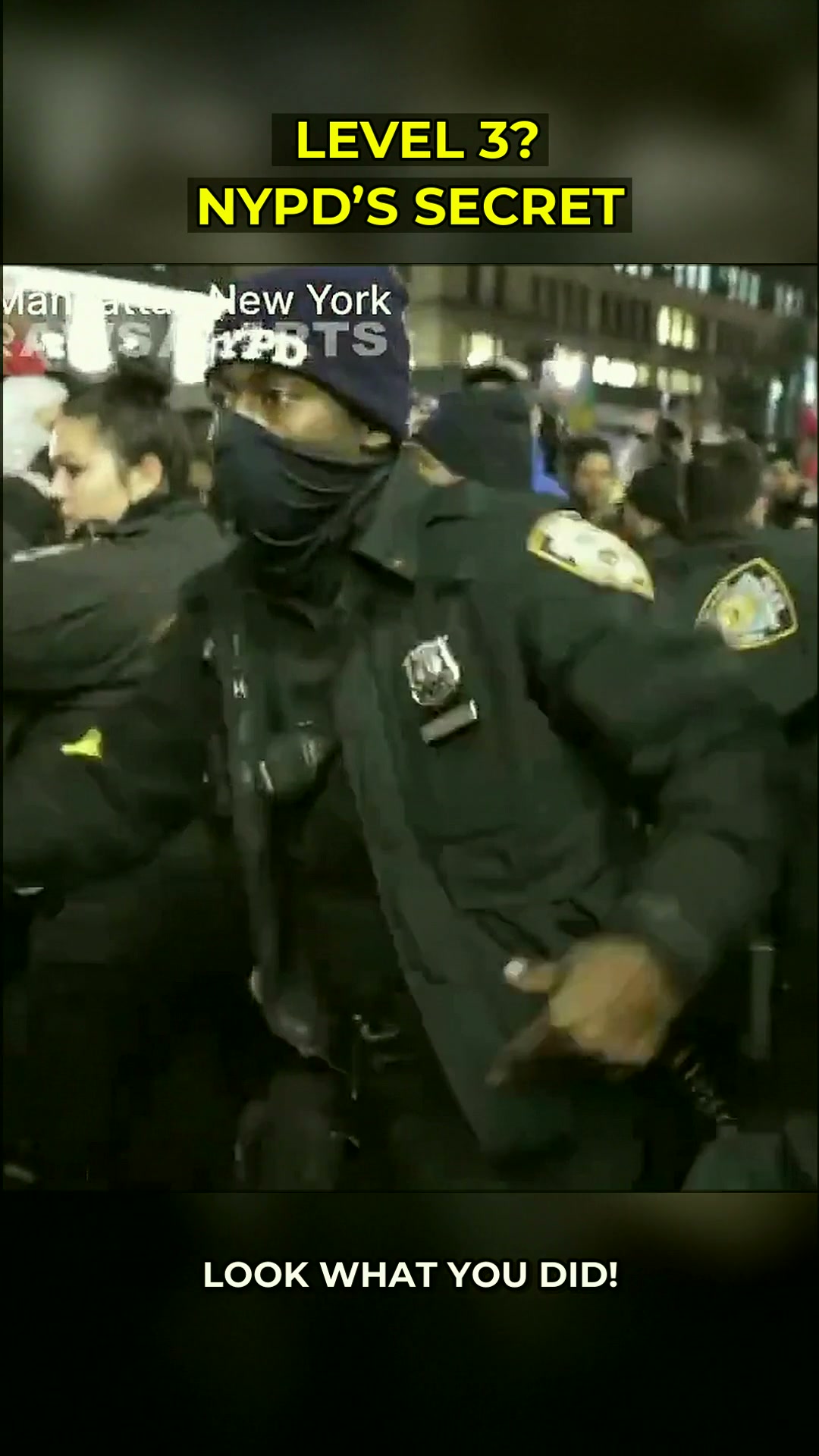
As Manhattan descends into chaos, ordinary workers are left holding the bag. Here is what every American employee needs to know about their rights when the system fails.
- Employers cannot legally force workers to remain in unsafe conditions during civil unrest.
- Wrongful termination protections vary by state, but retaliation for safety concerns is often illegal.
- Unpaid wages and forced overtime during emergencies are common violations that workers can challenge.
Imagine finishing a long shift in Midtown Manhattan, only to step outside and find your commute blocked by a wall of flashing lights and shouting crowds. Now imagine your boss calling you back inside and telling you to clock in for another eight hours because the store cannot close. No choice. No discussion. Just a demand.
That is the reality thousands of workers faced this week as a massive demonstration erupted in the streets of New York. The New York Police Department requested a Level Three mobilization to address numerous physical altercations between pro-Palestine protesters and local authorities. The scene was chaotic. The response was overwhelming.
But here is what the headlines will not tell you: behind every closed storefront and shuttered restaurant, there were employees terrified for their safety, wondering if their employer would protect them or simply protect the bottom line.

When Your Employer Becomes the Villain
Let us be clear about something. The law does not require you to die for your job. It does not require you to stand in harm’s way because your manager refuses to close early. Yet in moments of crisis, employer overreach becomes glaringly obvious.
Workers across the country are waking up to a harsh truth. Many employers treat their staff as disposable assets rather than human beings with rights. During the Manhattan unrest, some businesses reportedly kept their doors open even as the situation escalated. Employees were told to stay. To wait. To keep working.
“The moment an employer prioritizes profit over your physical safety, that is not a workplace. That is a liability.”
This is not about politics. This is about basic human decency and the legal protections that exist to enforce it. The Occupational Safety and Health Act gives every American worker the right to a safe workplace. Full stop.
If you are told to stay in a building while violence erupts outside, you have rights. If you are threatened with termination for expressing concern about your safety, you have options. If you are forced to work unpaid overtime because your boss panicked during a crisis, the law is on your side.

The Legal Precedent Every Worker Must Know
Employment attorneys have seen this pattern before. When public disorder spills into commercial districts, the fallout lands hardest on the people who cannot afford to walk away. The ones living paycheck to paycheck. The ones who know that one missed shift means missing rent.
Federal law protects workers from retaliation when they report unsafe conditions. The Whistleblower Protection Act and various state-level labor statutes create a legal shield for employees who speak up. But here is the catch: most workers do not know these protections exist.
Wrongful termination claims spike after major civic disruptions. Why. Because employers make snap decisions under pressure. They fire the employees who question orders. They cut loose the workers who refuse to stay in dangerous conditions. And they assume no one will fight back.
They are often wrong.
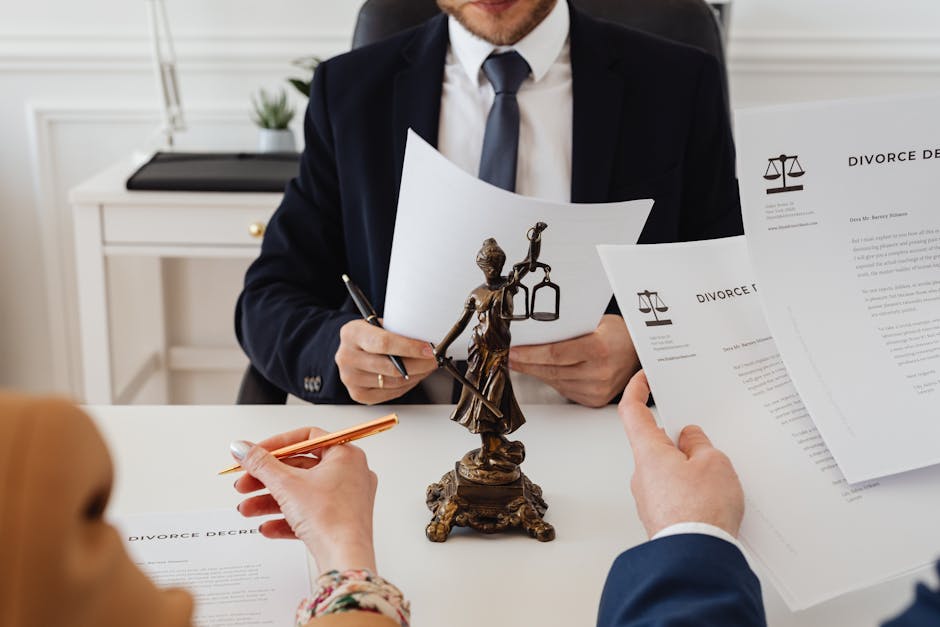
What You Can Do Right Now
Document everything. Every text message. Every email. Every verbal instruction that made you feel unsafe. In employment law, evidence is everything. Without it, your case becomes your word against theirs.
Know your state’s labor laws. Some states offer stronger protections than federal law. Some do not. Understanding where you stand is the first step toward protecting yourself. The Department of Labor provides free resources. Use them.
And remember this. The chaos in Manhattan will fade from the news cycle. The protests will move to another city. The police mobilization will stand down. But the workers who were forced to choose between their safety and their livelihood will still be there. Still wondering if anyone cares.
The answer depends on whether they know their rights. Whether they are willing to fight. Whether they understand that the law exists precisely for moments like this.
Look what you did, the voices shouted in the streets. But the real question is what your employer will do when the next crisis hits. And whether you will be ready.