The 93-Year-Old Veteran, A Knife, And The Brutal Encounter That Demands Answers
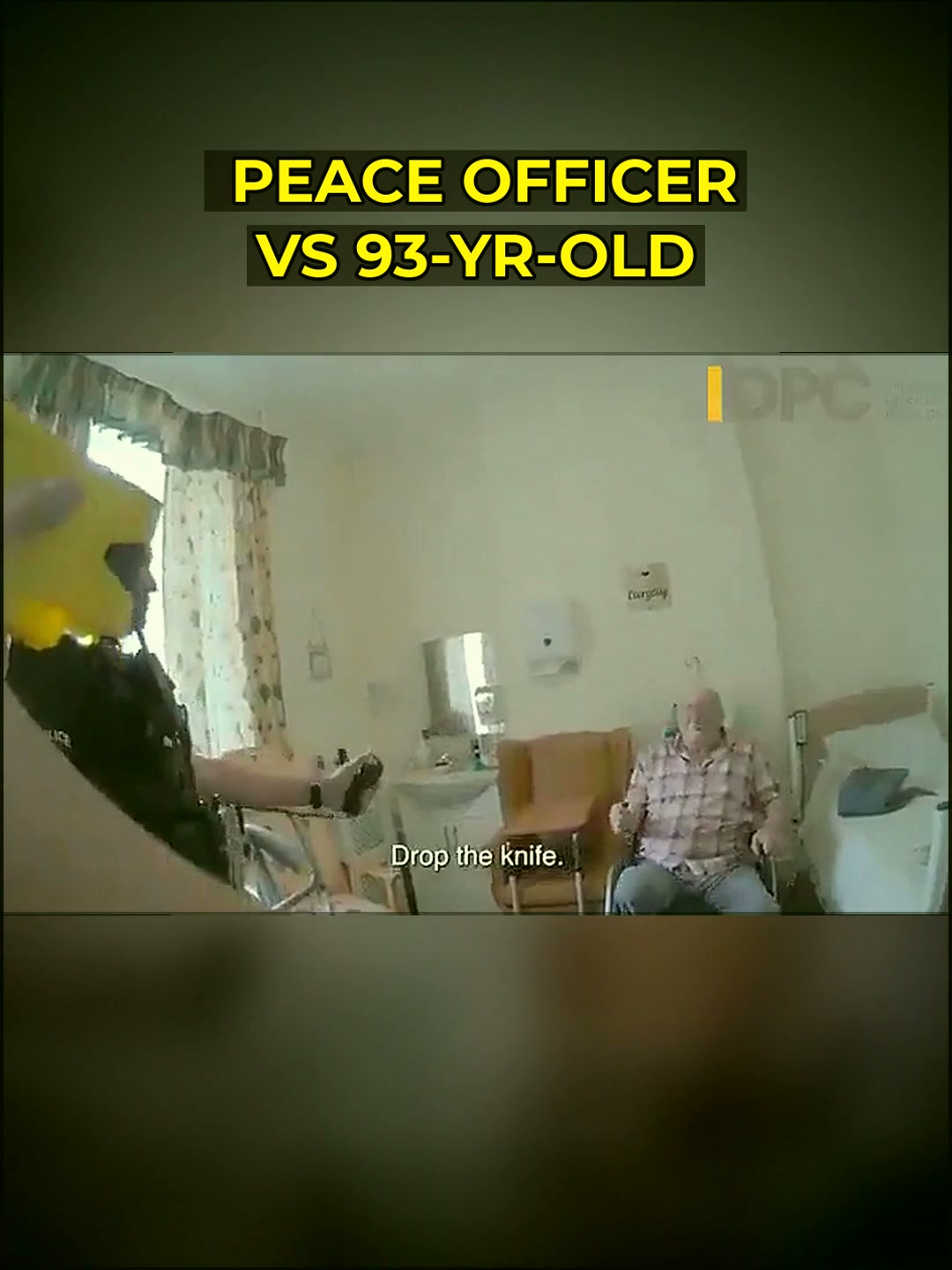
When the line between protection and aggression blurs, what recourse does a frail pensioner have against those sworn to serve?
- Understand the specific legal channels available for filing complaints against excessive force.
- Identify victim support organizations that specialize in elder rights and disability advocacy.
- Learn why documenting every detail of an incident is critical for accountability and justice.
Picture this: a 93-year-old man, a decorated war veteran, living out his final years in the quiet dignity of his own home. He is disabled, hard of hearing, and likely confused by the sudden commotion at his door. This is not a training simulation. This is the reality for Donald Burgess, who found himself on the floor, drenched in chemical spray, his body convulsing from 50,000 volts, and his skin bruised by a baton strike—all because officers say he wouldn’t drop a knife.
Court proceedings have revealed the harrowing details of that day. The officers, PC Stephen Smith and PC Rachel Comotto, responded to a call, and within moments, the situation escalated from a wellness check to a full-blown takedown. The transcript of the body-worn audio captures a frantic, repetitive plea: “Drop the knife. Donald, drop the knife.” But for a man of his age and frailty, was compliance even a viable option, or was this a tragedy of errors waiting to happen?

This incident strikes a raw nerve because it forces a deeply uncomfortable question: At what point does the protection of the public become the persecution of the vulnerable? The officers involved claim they acted in self-defense, citing the knife as a lethal threat. Yet, the image of a 93-year-old man being subdued with such force leaves a bitter taste of injustice in the mouths of many who hear the story.
The Legal Precedent: Where Does the Buck Stop?
When the dust settles and the body cameras are turned off, the real test begins. The courts are now the arena where this clash between duty and excess will be judged. The legal process here isn’t just about determining if PC Smith and PC Comotto broke the rules; it’s about setting a precedent for how the system handles the elderly and the infirm.
For Mr. Burgess, the path to justice is not simply about a criminal conviction of the officers. It involves a complex web of civil litigation, internal affairs investigations, and potential appeals to police oversight boards. His family must navigate a bureaucratic maze designed to protect the institution as much as the individual. The true measure of accountability will be whether the system has the courage to admit that a line was crossed, not just in the heat of the moment, but in the failure to de-escalate a situation involving a man who likely posed no real danger.
“This isn’t about second-guessing a split-second decision. It’s about asking whether the decision to engage was even necessary when dealing with a deaf, disabled nonagenarian in his own living room.”

Victim Support and the Road to Recovery
While the legal battle rages, the immediate concern remains the physical and psychological trauma inflicted on Mr. Burgess. A chemical irritant can cause respiratory distress in anyone, but for a 93-year-old, it can be life-threatening. The shock of being Tasered can trigger cardiac events. The recovery process is not merely a matter of healing bruises; it is about restoring a sense of safety to a man who was violated in the one place he should have felt secure.
For families facing similar ordeals, the immediate steps are crucial. Documentation is the first line of defense. Photograph the injuries. Secure the body camera footage through public records requests. Contact local disability rights organizations and legal aid societies that specialize in police accountability. These groups often provide the necessary leverage to ensure that a complaint doesn’t simply disappear into a desk drawer.
Community accountability is a powerful force. When a story like this emerges, it galvanizes public opinion, putting pressure on district attorneys and elected officials to act. The silence of the system is often broken by the collective voice of a community that refuses to accept “procedural justification” as a blanket excuse for what looks like brutality against the most vulnerable among us.

There is a sobering reality here. The men and women who wear the uniform are granted immense power. With that power comes the responsibility to exercise restraint, especially when facing a man who fought for his country decades ago and now struggles to hear a simple command. If the system fails to hold these officers accountable for the unnecessary escalation, it sends a chilling message: that your age, your service, and your frailty do not matter when an officer feels threatened.
As the court case unfolds, the public watches. We watch to see if the badge protects the officers more than the law protects the citizen. We watch to see if the definition of “common sense” applies to those who are paid to have it. The verdict will not just decide the fate of PC Smith and PC Comotto; it will determine if Donald Burgess receives the justice he deserves, or if he is simply added to the list of cautionary tales about the dangers of calling for help. The final chapter has not been written, and the tension is unbearable.