The Unseen Etiquette of the Urban Jungle: A King’s Cross Walk and the Quiet Power of Human Resilience
Navigating the swirling chaos of one of London’s busiest hubs is less about getting from A to B and more about an unspoken pact of patience and mutual respect between strangers.
- The daily commute is a masterclass in unspoken coordination and shared human tolerance.
- Modern city design forces a physical proximity that challenges our personal boundaries but also builds an odd sense of community.
- Witnessing the flow of a crowded street reveals that common sense and basic respect are the true traffic lights of human interaction.
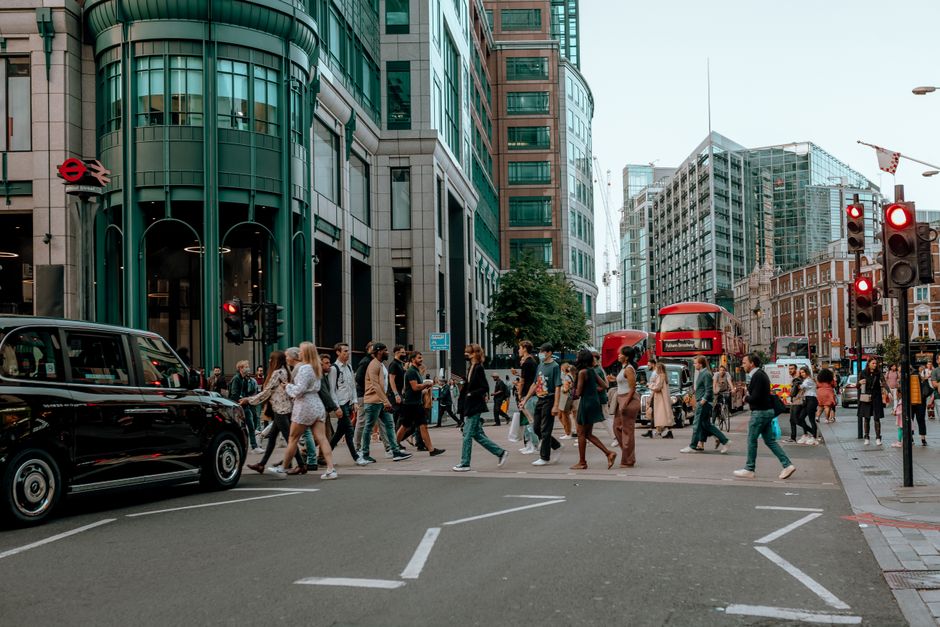
Imagine stepping out of a train station, not into a gentle breeze, but into a solid wall of moving bodies. That is the reality of King’s Cross. It is a place where the concept of personal space is a luxury traded for the efficiency of getting home. The footage captures the sheer, overwhelming density of it all.
This isn’t just about walking; it is about reading the room at a thousand miles per hour. Every step is a negotiation. You are constantly checking the shoulder of the person in front of you, anticipating a sudden stop, and praying that the tourist with the suitcase doesn’t decide to halt abruptly to check their phone.

There is a strange, silent choreography to it all. For a place that feels so impersonal, it relies heavily on the collective good will of strangers. There are no traffic lights for pedestrians, only an unspoken rulebook written in eye contact and body language.
The Unspoken Contract of the Commute
In these moments of high congestion, a fascinating phenomenon occurs. We are forced to rely on the consideration of people we will never speak to. That is the true test of a community—not how we treat our friends, but how we treat the anonymous masses we brush past on a Tuesday evening.
It is incredibly frustrating to see people act like the rules don’t apply to them, weaving against the flow or stopping dead in the middle of the stream. But the video captures the flip side: the majority who adapt, who flow, who practice that basic respect that keeps the city from grinding to a halt.
“We are never more connected to our fellow humans than when we are navigating a crowded street, trusting that the stranger beside us will make the same split-second decision we just made.”
This is why the footage resonates. It is a mirror held up to the daily grind. It shows the exhaustion, the hurry, and the sheer grit it takes to navigate the modern metropolis. It is not a glamorous picture of London; it is the real, unedited truth of it.
Resilience in the Shoulder-to-Shoulder Scramble
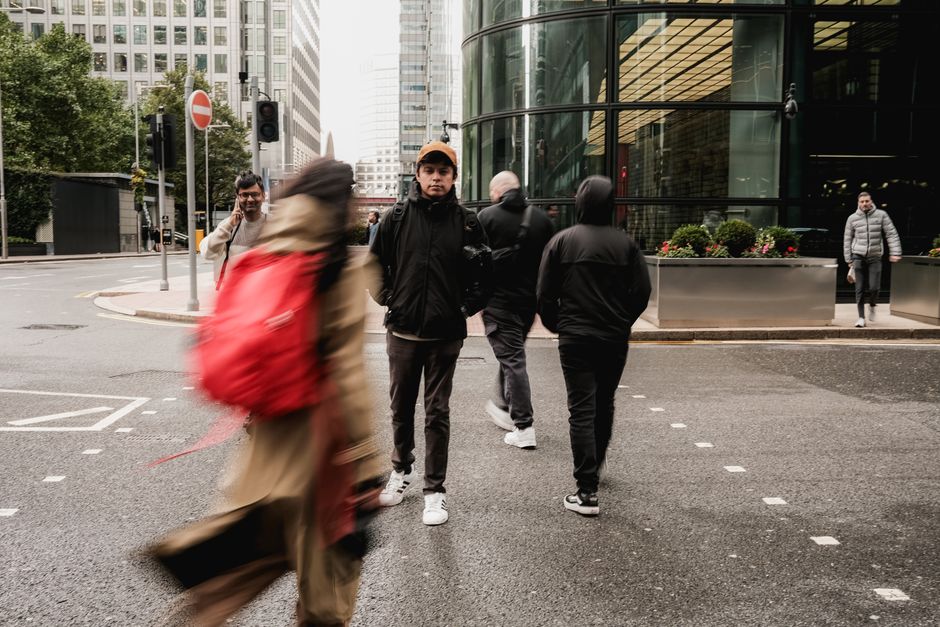
What is often missed in the discussion of crowded cities is the resilience of the human spirit. Look closely at the faces in the video. You see tired eyes, but you also see determination. You see people who have finished a long day, yet they are not pushing or shoving; they are simply enduring, moving forward with a steely resolve.
That is the heartbeat of the city. It lives in the small victories—catching the green light, finding a gap in the crowd, or simply reaching the other side of the road without incident. It is a reminder that even in the most isolating environments, there is a shared experience that binds us all.
Common sense and basic respect are truly disappearing these days, or so it seems when you are stuck behind someone blocking the escalator. But this video suggests otherwise. It suggests that in the heart of the concrete chaos, a silent majority is still practicing the ancient art of getting along.
We are seeing a generation that is constantly plugged in, yet here, in the physical realm of King’s Cross, they are forced to look up. They are forced to interact, if only for a split second, with the person to their left and the person to their right. This is the glue of society.
The footage serves as a live wire of urban anxiety, but it also highlights the profound adaptability of the human race. We have built these concrete canyons, and we have learned to survive within them, not through aggression, but through cooperation.
So, the next time you find yourself stuck in a throng of people, look around. You are not alone in the crowd; you are part of a temporary, fluid community. A community that is just trying to get home, just like you. And that, perhaps, is the most comforting thought of all in the chaos of the modern world.