The True Cost of Disrespect: When a Routine Stop Turns Into a Nightmare of Abuse
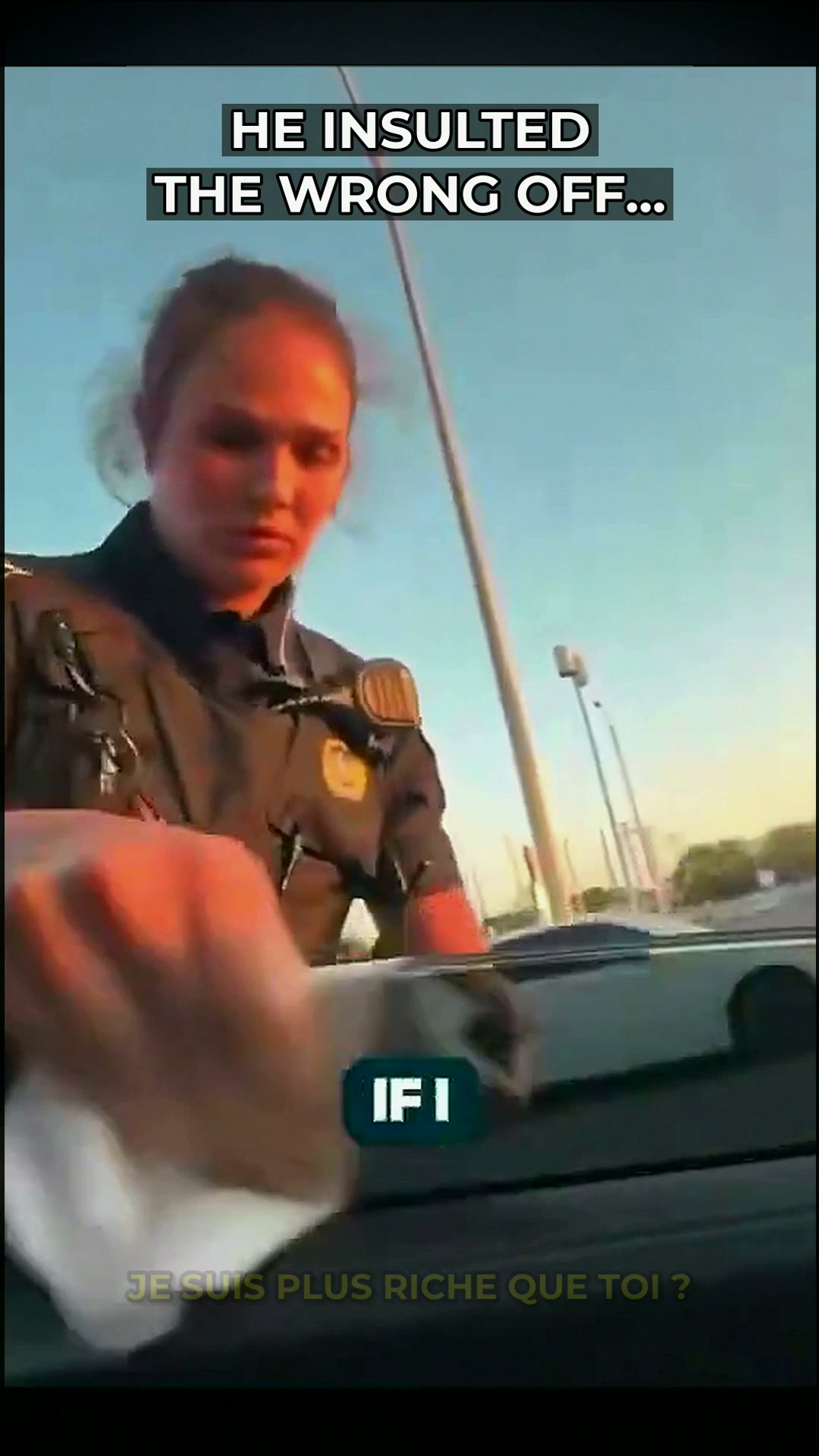
One Canadian officer’s horrifying encounter exposes a growing crisis of entitlement that every worker needs to see.
- Verbal abuse in the line of duty is not just unprofessional—it is a direct violation of basic human dignity and workplace safety standards.
- Employment laws provide specific protections against hostile work environments, but the public often forgets these same rules apply to those who serve them.
- Documentation and witnesses are critical for any worker facing aggressive behavior, whether from a boss or a member of the public.
Picture this: you are on the clock, just trying to do your job, and a stranger decides your salary, your appearance, and your very existence are open grounds for the most vile attack imaginable. That is exactly what happened on a Montreal street, and the footage is enough to make your blood run cold.
The video captures a man, a recent migrant to Canada, unleashing a tirade so foul it is hard to believe it is real. He is not arguing about the ticket. He is attacking the officer’s worth as a human being, screaming that he could “buy her” and make her his “slave.” This is not a dispute. This is a window into a mindset that every working person should be terrified of.

The Ugly Entitlement on Full Display
Let’s break down what the footage actually shows. The interaction begins over a routine matter, a previous citation. But within seconds, the conversation devolves into a verbal assault that targets the officer’s gender, her income, and her supposed place in a hierarchy this man has invented in his own head.
“Is it my fault you make 20 dollars an hour?” he taunts. “Is it my fault I am richer than you?” He goes further, threatening to purchase her life and put her in bondage. The sheer arrogance is staggering. It is the logic of a bully who believes money equals the right to degrade anyone who stands in his way.
For the officer on the receiving end, this is not just a bad day. This is a psychological attack that could have lasting consequences. In any other workplace, if a boss or a client spoke to an employee like this, there would be an immediate investigation. Here, the abuse is happening in the open, and the question becomes: who is actually protecting this worker?
“Is it my fault you make 20 dollars an hour? Is it my fault if I want to buy your life and put you in slavery?”

What Legal Protections Actually Exist for Workers?
This incident shines a harsh spotlight on the gap between having rights on paper and having them respected in reality. Employment law in Canada, like in the US, is supposed to guarantee a workplace free from harassment. But when the harasser is a member of the public, the lines get blurry. Who is the employer’s responsibility then?
The law is clear on one point: the employer has a duty to provide a safe environment. If a worker is subjected to abuse while performing their duties, the employer is obligated to step in. But what happens when the abuse comes from outside the workplace? The answer is often silence, leaving the worker to absorb the trauma without support.
This is where the concept of “accountability” comes crashing into reality. The man in the video likely faced consequences, but that is not the point. The point is that he felt empowered to speak that way at all. His behavior suggests a belief that rules do not apply to him, that his wealth and status place him above common decency and the law.
The Legal Precedent
Courts have consistently ruled that a worker’s right to dignity is non-negotiable, even when interacting with the public. In landmark cases, judges have sided with employees who faced abuse from customers, establishing that the employer’s duty of care extends to third-party interactions. The precedent is clear: tolerating abuse is not a job requirement.
Yet, the reality on the ground is different. Many workers are told to “just ignore it” or “let it go,” for the sake of the customer or the public image. This sends a dangerous message: that the abuser’s comfort is more important than the victim’s safety. It is a systemic failure that breeds more incidents like the one in Montreal.

For the officer in the video, the emotional toll is invisible but heavy. The humiliation of being screamed at in public, being reduced to a sexualized slur, and having her livelihood thrown in her face is a burden no paycheck can compensate for. The “consequences” for the abuser are often just a slap on the wrist, while the worker carries the memory of the incident forever.
This is the unedited truth about the modern workplace: the rules are only as strong as the willingness to enforce them. If you are a worker, you need to know that you have the right to document everything, to file complaints, and to demand a safe environment. Silence is not a job duty. Respect is not a luxury. And no one, regardless of their bank account, has the right to buy your dignity.