The High Price of Questioning the Curriculum: Suspended for Speaking Up in Class
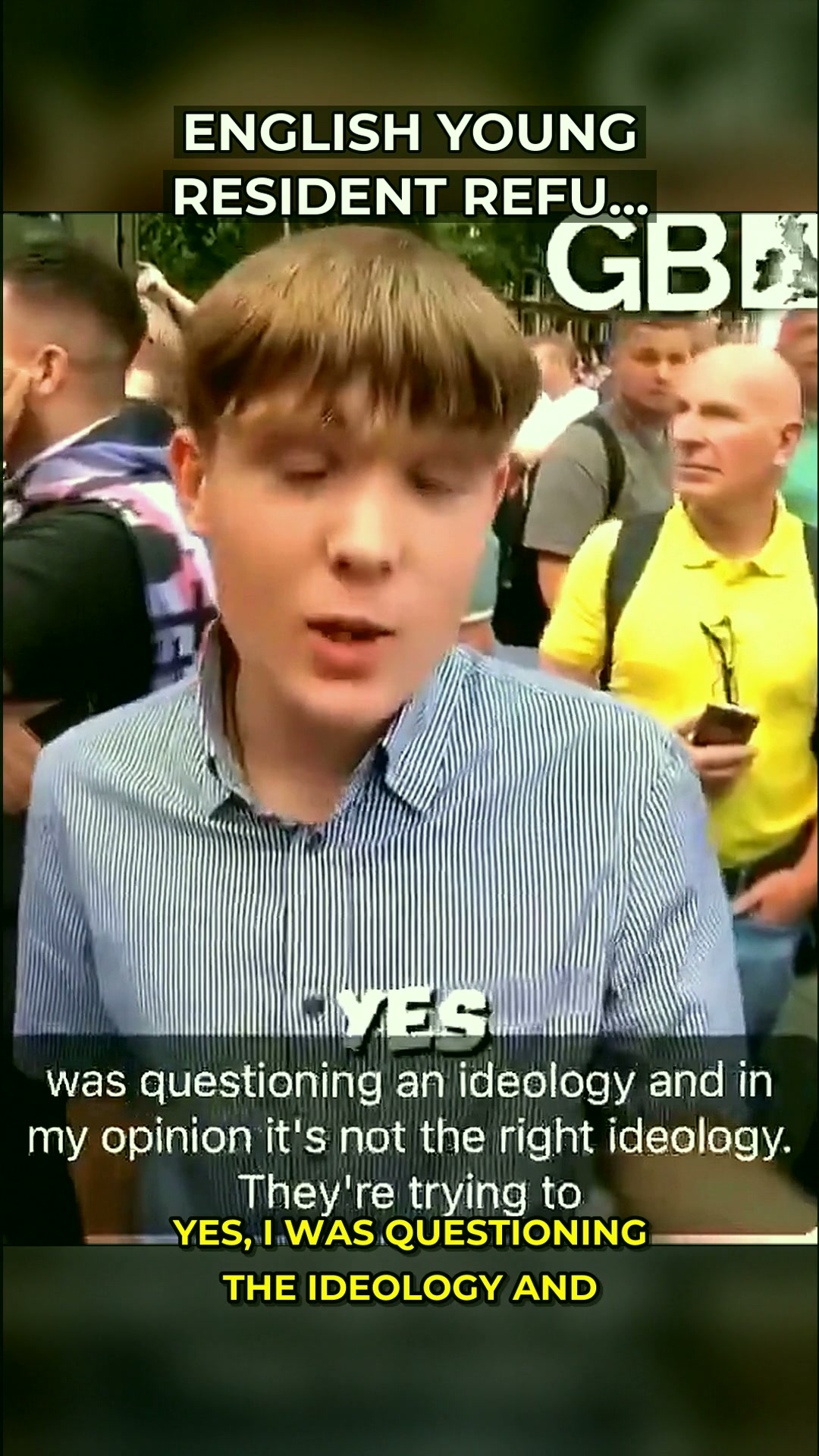
One student’s dispute over religious studies exposes the harsh line between free speech and school discipline in modern Britain.
- Students face strict limits on classroom speech that challenges mandated religious content.
- A suspension for expressing personal views triggers specific legal protections and appeal rights.
- Parents have formal channels to challenge curriculum decisions, but the process is rarely explained.
- Understanding the difference between debate and disruption is critical for protecting a student’s record.
Imagine sitting in a classroom, being taught a version of history you know is incomplete, and raising your hand to ask a simple question. Instead of an answer, you get a meeting with the headteacher. Instead of a discussion, you get a suspension slip. That is the reality one British teenager says he faced for doing nothing more than questioning the official narrative.
The student claims he was removed from school for challenging what he was being taught about Islam and the Prophet Mohammed. His offense? Asking for the full story. His punishment? A suspension for what the school called racism. He insists he was simply questioning an ideology, not expressing hatred. In his words, he was trying to discuss “the wrongs of it” but was shut down before the conversation could even begin.
This is not a story about religion. This is a story about who controls the information your children receive and what happens when they dare to push back.
The Silent Treatment in the Classroom
According to the student, the curriculum presents a single, polished version of Islamic history. He claims that when he attempted to mention documented historical events involving conflict, he was told to sit down and be quiet. When he persisted, the label came down: racist.
That word carries weight. It ends conversations. It silences questions. And in this case, it apparently triggered an official disciplinary response. The teenager says he was suspended not for disrupting a lesson, but for holding an opinion that contradicted the approved material.
This situation raises an uncomfortable question: Is it acceptable for a school to punish a student for intellectual curiosity that leads to uncomfortable territory? The student says he was told his questions were inappropriate. Yet, the very act of questioning is supposed to be the foundation of education.
What happens when the curriculum itself becomes a protected zone that cannot be questioned? What happens to the student who wants to learn about their own heritage but is forced to sit through lessons they find one-sided?
“They’re trying to take away my free speech in school, they’re trying to silence me,” the student said. “I was just trying to stand up and discuss stuff.”

The Legal Precedent: Where Does Free Speech End?
Here is the hard truth that most families do not know. In the United Kingdom, the right to free speech is not absolute, especially inside a school gate. The Education Act 1996 gives headteachers the authority to discipline students for conduct that is deemed to undermine the school’s ethos or disrupt the learning environment.
This is where the concept of “racist behavior” becomes a legal weapon. Schools are mandated to apply a zero-tolerance policy toward any form of discrimination. If a staff member interprets a student’s comments as racially motivated, the school is legally obligated to act. The question is whether a question about historical events can be twisted into a racial slur.
The student claims the school conflated his critique of an ideology with an attack on a people group. That distinction is crucial. In legal terms, criticizing a set of beliefs is generally protected speech. Targeting a race or ethnicity is not. The school appears to have blurred those lines, and the teenager paid the price.

For parents watching this unfold, the lesson is stark: your child’s right to question the curriculum is not guaranteed. It is conditional on how the school interprets their tone, their wording, and their intent. If a teacher feels challenged, the student can be branded a troublemaker. If an administrator feels threatened, the student can be removed.
Financial Accountability: The Hidden Cost of a Suspension
While the emotional toll of a suspension is obvious, the financial implications are rarely discussed. A suspension is not just a few days off school. It has a ripple effect that hits the family bank account hard.
First, consider the cost of lost learning. When a student is suspended, they miss critical instruction. Parents often have to hire private tutors to fill the gap. In the UK, private tutoring rates range from £30 to £60 per hour. A two-week suspension could easily cost a family upwards of £500 in catch-up lessons.
Second, there is the impact on university applications. A suspension is recorded on the student’s permanent file. When that student applies to a competitive university, the admission committee will see that record. The student may have to pay for expensive appeal lawyers or educational consultants to provide context for the suspension.
Third, and most devastating, is the potential for a permanent exclusion. If the school decides this incident is part of a pattern of “non-compliance,” they can escalate. A permanent exclusion effectively brands the student as unteachable. Finding a new school becomes a nightmare, and some families resort to expensive private education as a last resort.
This is the financial reality that keeps parents up at night. One moment of speaking your mind in a classroom can trigger a cascade of legal fees, tutoring costs, and long-term academic damage. The system is designed to make an example of students who step out of line, and the bill is sent directly to the parents.

What Are Your Legal Options?
If your child finds themselves in this situation, the first step is not to argue with the school. The first step is to document everything. Request the written justification for the suspension. Ask for the specific policy that was violated. Demand to see the evidence that was used to label the student’s behavior as discriminatory.
Under the Equality Act 2010, schools have a duty not to discriminate against students based on protected characteristics. However, this duty works both ways. If a student is punished for expressing a religious or philosophical belief, that could constitute discrimination against the student’s own worldview.
The key is to shift the conversation from “What did the student say?” to “Was the school’s response proportionate?” A suspension is a severe punishment. It should only be used for serious breaches of conduct, not for a student who asks an uncomfortable question in a lesson about religion.
Parents should also be aware of the “reasonableness” test. In UK law, disciplinary decisions must be reasonable. If a school overreacts to a minor incident, that decision can be overturned on appeal. The problem is that most parents do not know how to navigate the appeals process, and they accept the school’s decision as final.
The Uncomfortable Truth About School Ideology
This incident reveals a deeper issue that goes far beyond one student’s suspension. It exposes the tension between mandatory curriculum requirements and the freedom to question. Schools are increasingly becoming places where compliance is valued over critical thinking.
The student in this case says he is proud to be English and wants to learn about his own culture. He is not asking to ban the teaching of other religions. He is asking for balance. He is asking for the full story. And for that, he was branded a troublemaker and sent home.
If a student cannot question what they are taught without fear of punishment, then the classroom is not a place of learning. It is a place of indoctrination. And the children who suffer are the ones who dare to think for themselves.
<blockquote style="background: #fdfbf7; border-left: 5px solid #d32f2f; padding: 15px 25px; font-style: italic; font-size: 1.15em; color: #444