The High-Stakes Gamble of Interfering With Federal Authority: A Yakima Parking Lot Showdown
When a routine grocery run turns into a legal minefield, the line between protest and obstruction gets dangerously thin.
- The viral confrontation in Yakima highlights the explosive reality of federal immigration enforcement in public spaces.
- Bystander intervention, while emotionally charged, carries severe legal risks that can escalate a situation into a criminal matter.
- For workers, this incident underscores the urgent need to know their rights and have a plan before an encounter happens.
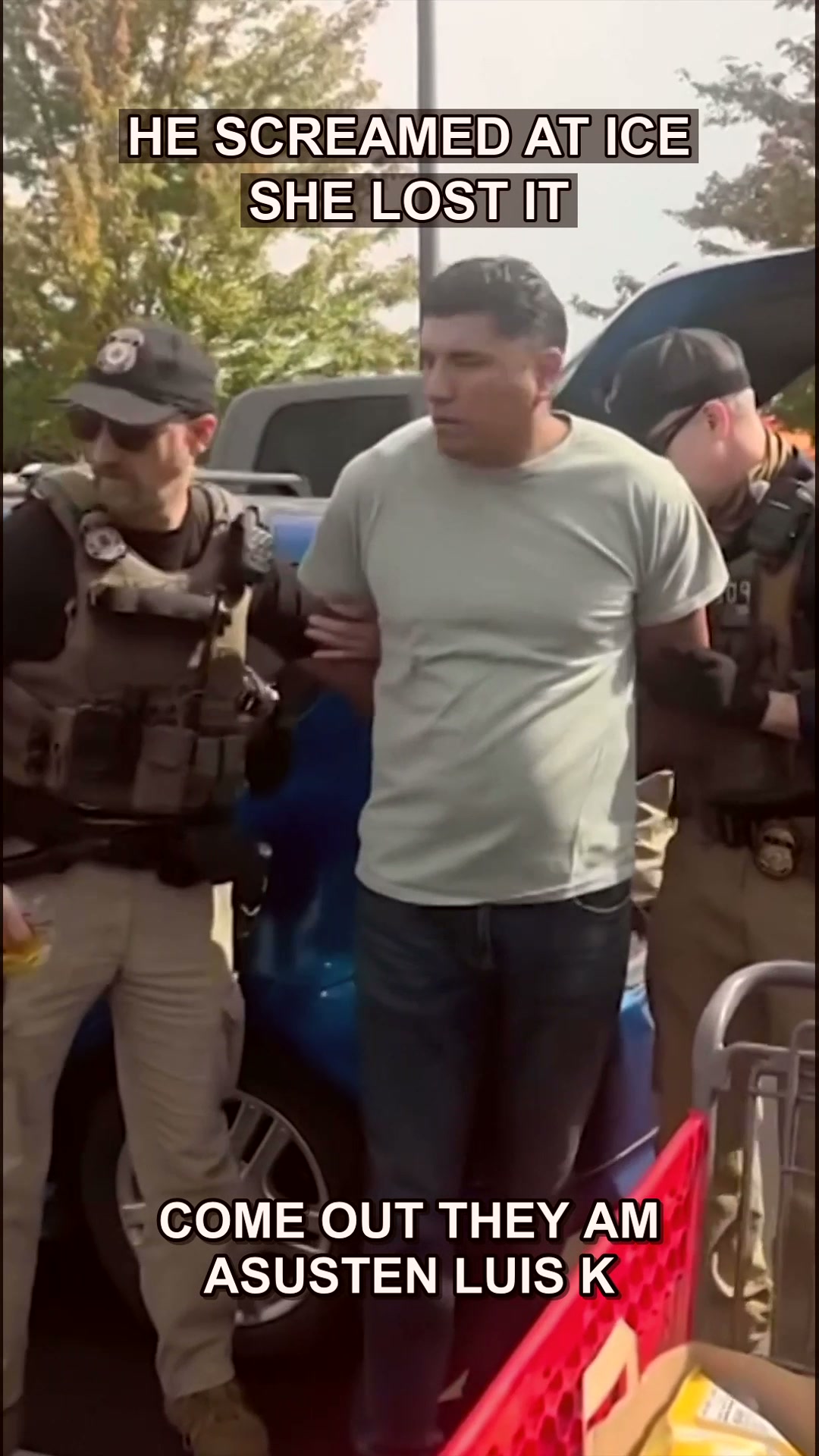
Picture this: a Tuesday afternoon, the hum of traffic on South 1st Street, shoppers shuffling out of the Grocery Outlet with bags of discount cereal. Then, in a flash, the mundane is shattered. A federal agent approaches a man in the lot, and suddenly, the air is thick with tension, shouting, and the raw edge of fear.
This isn’t a scene from a political thriller. It’s a raw, unedited glimpse into a reality that is playing out in towns across America, and it centers on a question that keeps many up at night: What are your actual rights when the authorities come for you?
The video captures the moment a man identified as Juan is guided toward a vehicle by an agent. What happens next is a cacophony of raised voices, with onlookers rushing in, their phones out, their anger palpable. One activist can be heard yelling at the agent, demanding he “do your job,” while another hurls a vile insult as the vehicle pulls away.

The Volatile Chemistry of a Public Detention
Let’s be clear about what is unfolding in this footage. The instinct to protect a neighbor, a friend, a member of the community, is a powerful one. It’s the same instinct that makes people run toward danger when they hear a cry for help. But in the context of a federal operation, that instinct can collide with a wall of legal reality that is unforgiving.
The shouting match that erupts is not just noise; it’s a tinderbox. When a bystander decides to physically insert themselves into a federal process, they are crossing a threshold. The agents on the ground are not just having a polite chat; they are executing a legal directive, and any interference is logged, noted, and can have consequences that follow a person for a lifetime.
“The raw emotion of the moment is understandable, but the legal aftermath is a cold, hard ledger that doesn’t care about intent.”
For the man being placed in the vehicle, the world has just been turned upside down. His immediate future is uncertain, and the chaos around him doesn’t offer comfort; it amplifies the trauma. This is the moment where the theoretical debates about policy become a visceral, human reality.
The scene is a stark illustration of how quickly a simple errand can become a life-altering event. It forces a sobering question for every worker, every parent, every person driving to the store: Do you have a plan? Does your family know what to do if you don’t come home?

The Legal Precedent and The Cost of Confrontation
Beyond the immediate drama, this incident in Yakima feeds into a broader, more complex legal landscape. The rules governing what federal agents can do are strict, but so are the rules governing what the public can do in response. In the heat of the moment, the nuance is lost, replaced by raw emotion.
What the “Rabid Responders” in this video may not have realized is that their actions, however well-intentioned, could be construed as obstruction. This isn’t just about a fine or a scolding; it’s about creating a criminal record for a moment of passion. The cost of that single, angry outburst can be far higher than anyone anticipates.