The Hidden Price Tag of Ignoring Park Rules: Who Foots the Bill When a Public Barbecue Turns Into a Legal Firestorm?
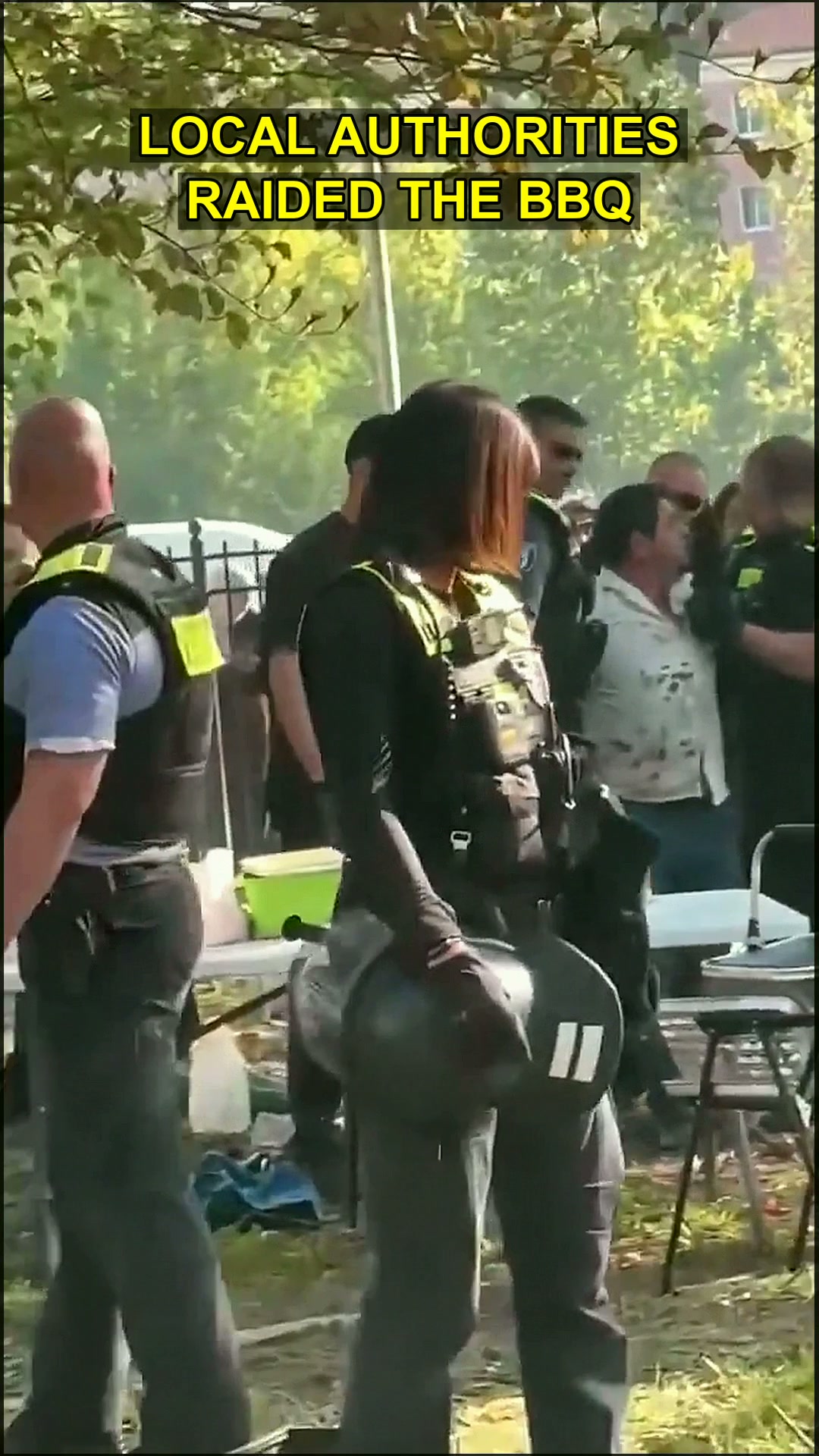
One sunny afternoon, a simple cookout became a costly standoff—and the financial fallout could follow these individuals for years.
- Ignoring posted fire bans in public parks can trigger direct financial liability for property damage and municipal cleanup fees.
- In Germany, local authorities have wide discretion to issue on-the-spot fines and pursue civil claims for negligence—even without a formal citation.
- Immigrants and visitors often lack awareness of specific local bylaws, making them vulnerable to disproportionate legal and financial consequences.
Imagine the scene: a crisp afternoon in a German park, families scattered across the grass, children laughing near the playground. Then, a group of newcomers unloads grills, charcoal, and raw meat—right next to a row of ancient oaks. A uniformed official approaches, points to a sign, and explains the fire ban. The response? A shrug, a smirk, and the strike of a match.
Within minutes, smoke curls toward the canopy. The official radios for backup. What started as a cultural cookout morphs into a standoff—and the financial consequences are just beginning to smolder.

This is not a story about immigration or culture wars. It is a story about accountability, common sense, and the brutal math of who pays when public property gets singed. And the answer, for many, is a wake-up call.
The Fine Print Nobody Reads
Every German municipality has its own parkordnung—a set of rules that often bans open flames during dry seasons. Violations are not polite suggestions. They are administrative offenses with fixed penalty ranges, usually between 50 and 1,000 euros, depending on the risk level and damage caused.
But the fines are just the appetizer. The main course is the civil liability that kicks in the moment flames touch bark or grass. Under German tort law, anyone who starts a fire that damages municipal property is personally responsible for the full restoration cost—including tree care, soil remediation, and emergency response fees.
The confrontation in the park did not end with the flames being extinguished. It ended with names being taken, reports being filed, and a ledger of costs being opened—one that the participants likely never imagined when they unpacked their skewers.

When Warnings Are Ignored, the State Hits Back
Local authorities in Germany do not mess around when their warnings are dismissed in front of a crowd. The officer who first approached the group was not simply asking for compliance—he was establishing a legal record. That verbal warning, captured on body cam and witness phones, becomes the key evidence in any subsequent dispute.
Legal experts point to a pattern: when someone ignores an explicit instruction from an official, the penalty escalates from a simple ordinance violation to a potential charge of resisting an order or causing a public nuisance. The financial exposure multiplies overnight.
“You are not just paying for the burned grass. You are paying for the disrespect of the process—and courts in Germany take that very seriously.”
For the individuals involved, the path forward is grim. Without proper liability insurance—which many visitors and new arrivals lack—they face out-of-pocket payments that could drain months of savings. Debt collection agencies in Germany are notoriously efficient, and wage garnishment is a real possibility for those who cannot pay promptly.

The Legal Precedent That Changes Everything
German courts have consistently ruled that public parks are not open-fire zones, regardless of cultural traditions. In a landmark 2019 decision in North Rhine-Westphalia, a family was held liable for 14,000 euros in damages after a barbecue ignited a root system fire that killed two mature trees. The judge wrote that the group had “failed to exercise the most basic duty of care” after being warned twice.
That precedent now looms over the current confrontation. The individuals in this case were not just warned—they were explicitly told to stop and chose to proceed. In legal terms, that transforms an accident into a deliberate act of negligence, opening the door for punitive damages and higher fines.
What This Means for You Tomorrow
Whether you are a tourist in Berlin, a new resident in Munich, or a long-time local who never read the signs, the lesson is universal: public space is not a free-for-all. Every city has rules, and the costs of ignoring them are not hidden—they are just buried in paragraphs you never read.
The smoke has cleared in that park, but the paperwork is just beginning. Emails will be sent, invoices will be drafted, and collection agencies will start their quiet, relentless work. The group may have thought they were having a meal. The law sees it as an unpaid debt with interest.
And for everyone who watched the video, shared the clip, or shook their head in disbelief, the real story is not about the confrontation. It is about the financial trap that snaps shut when common sense takes a holiday. The grill is cold now, but the bill is very, very hot.