The Unspoken Crisis in Charm City: Why Baltimore’s Statistics Hide a Deeper Human Story
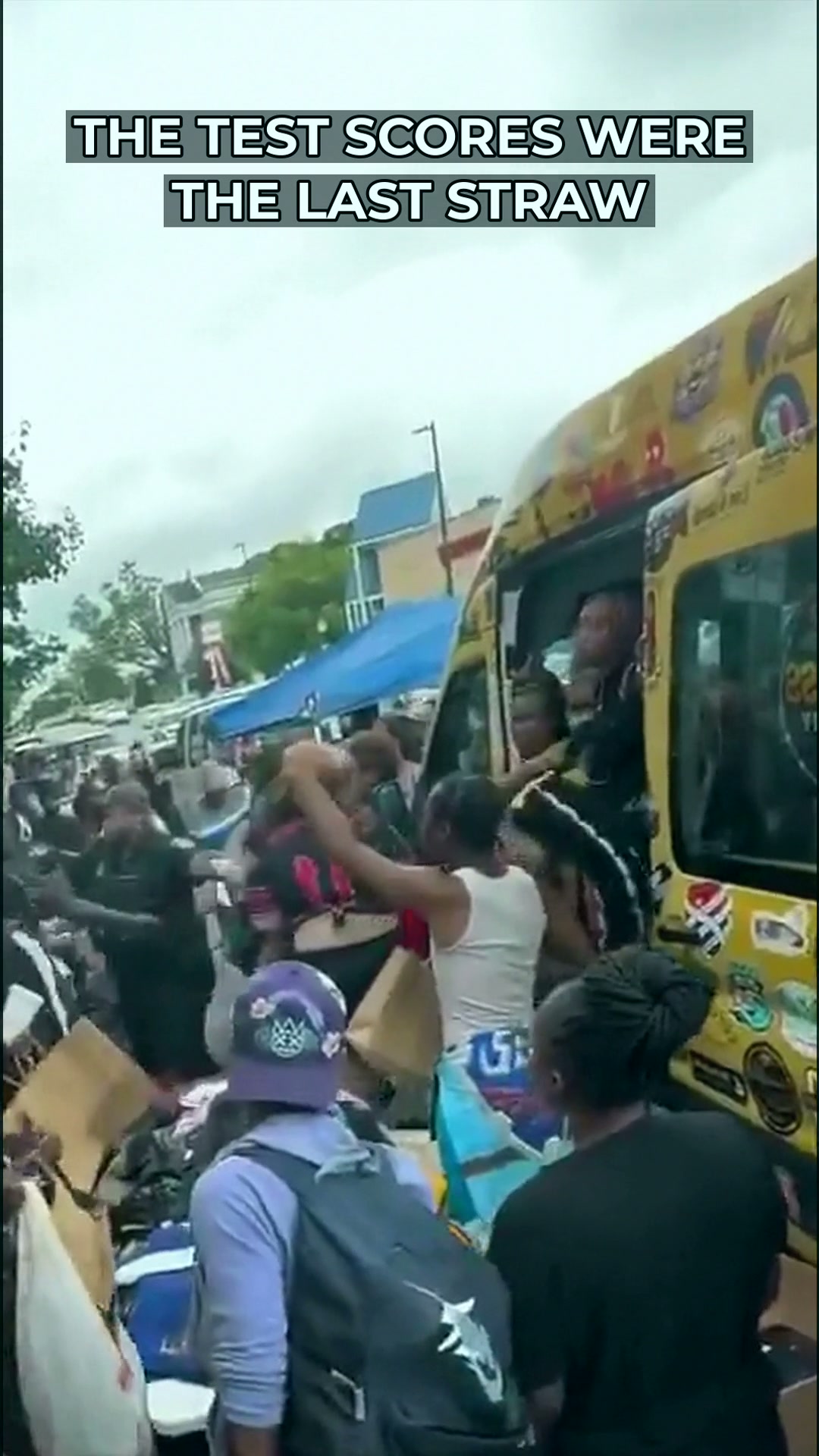
Beyond the crime rankings and failing test scores lies a community fighting for its identity—and its future
- Baltimore’s violent crime rate sits in the top 5 nationally, but the human cost behind those numbers is often ignored.
- Only 33% of students read proficiently and just 13% master math—an educational emergency with generational consequences.
- Despite the grim data, local community efforts reveal a resilience that refuses to be defined by statistics.
Imagine raising your children in a city where the nightly news reads like a war dispatch. Where the school system you depend on is failing your kids at staggering rates. Where the dream of a better life feels like a lottery ticket you never bought. This is the unvarnished reality for hundreds of thousands of families in Baltimore, a city that has become a case study in systemic collapse—and, quietly, in human endurance.
The numbers are brutal. On violent crime, Baltimore sits in the nation’s top five, a grim ranking shared only with Memphis and Detroit among major cities. For families here, this isn’t a statistic; it’s the knot in their stomachs every time a loved one leaves the house. It’s the reason parents text their teenagers before they walk to the corner store.

The Educational Emergency Nobody Wants to Own
If the crime rates are the visible wound, the public schools are the infection spreading beneath the surface. Just 33% of Baltimore students are proficient in reading. In math, the number collapses to a devastating 13%. Let that sink in for a moment—87 out of every 100 children in this city are not mastering basic mathematics.
These are not abstract figures pulled from a dry government report. These are future nurses who will miscalculate dosages. Future electricians who will misread blueprints. Future entrepreneurs who will never launch their first business because they were told, implicitly and explicitly, that they were not smart enough to try.
“The tragedy isn’t that these children are incapable. The tragedy is that a system designed to lift them up has become another obstacle they must overcome.”
The connection between educational failure and violent crime is not a mystery. It is a direct pipeline. When children are functionally illiterate by the fourth grade, when they cannot do fractions by middle school, they check out. They stop believing the system has a place for them. And the streets are always waiting to offer an alternative—one that pays in cash and ends in handcuffs or worse.

The Human Cost Behind the Rankings
It is easy to write off Baltimore as another “failed city.” But that framing ignores the daily heroism of the people who stay. The grandmother raising three grandchildren on a fixed income. The teacher who spends her own salary on pencils and notebooks. The community organizer who patrols the block at midnight, not with a badge, but with a clipboard and a plan.
These are the individuals who understand that accountability begins at home, but so does change. They are not waiting for a savior from Washington or a bailout from Annapolis. They are building community resource networks with their bare hands—food pantries, after-school tutoring, mentorship circles that operate in church basements and recreation centers.
One resident, a lifelong Baltimorean who has watched four decades of policy promises come and go, put it bluntly: “We have stopped waiting for permission to fix our own neighborhoods. The institutions failed us, so we are becoming the institutions.”
The Resilience That Refuses to Be Counted
Here is where the narrative pivots away from despair. Because for every negative statistic, there is a counter-movement of stubborn, unglamorous persistence. Volunteer tutors are showing up in record numbers. Local