The Door That Didn’t Open: How a Split-Second Decision in Chicago Became a Lesson in Federal Accountability
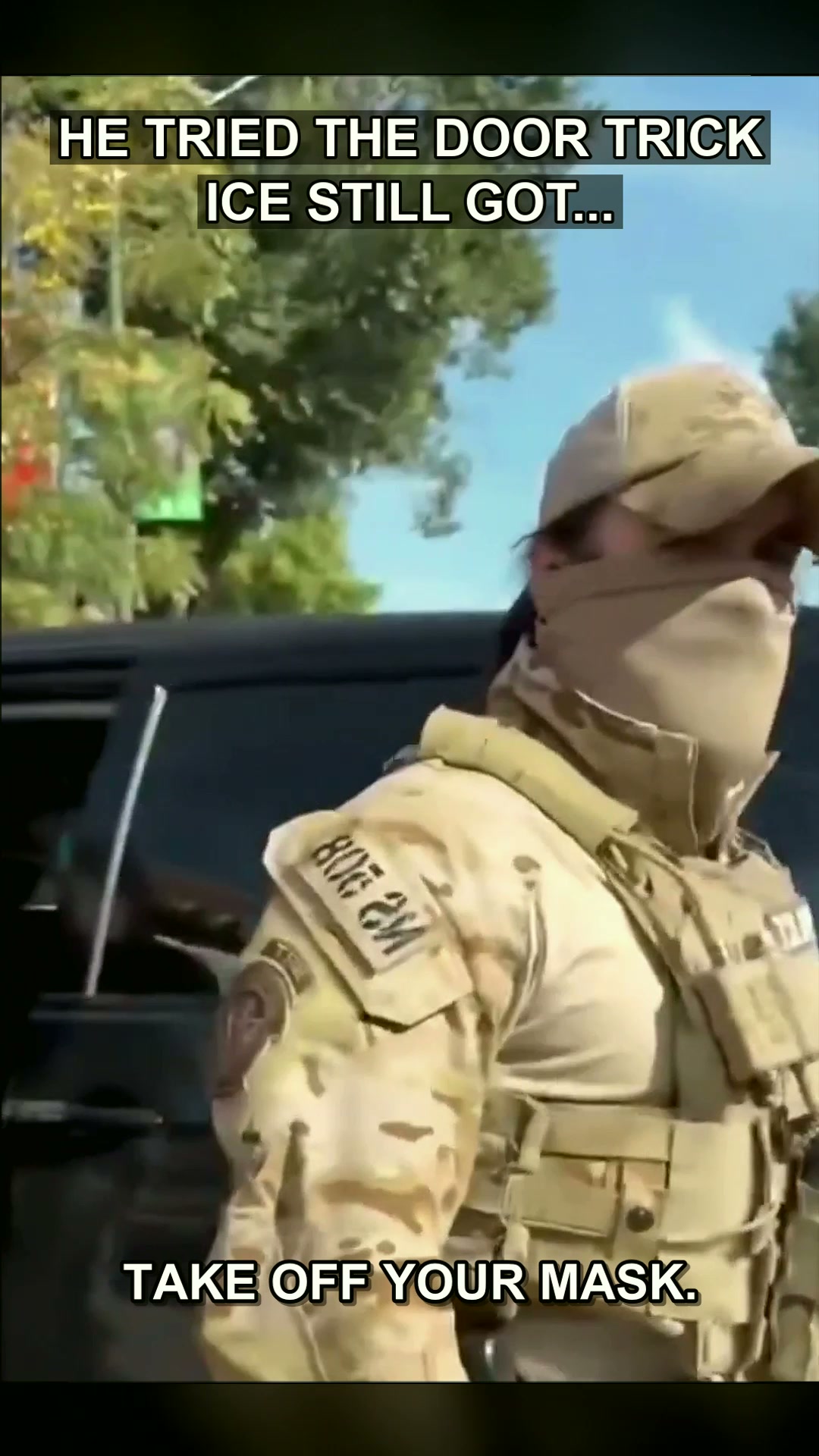
When a suspect thought a sliding glass door was his escape hatch, Border Patrol showed exactly what happens when the system refuses to look the other way.
- Federal agents in Chicago are actively conducting enforcement sweeps, and they are not backing down when suspects attempt to flee.
- Attempting to obstruct an arrest, even with something as simple as a foot in a door, escalates the situation and guarantees a physical takedown.
- Community members who witness these events have clear legal rights and resources to report misconduct or seek clarification on federal operations.
The automatic doors slid open. For a split second, the man known only as Juan thought he had a window. He jammed his foot into the gap, trying to keep the door from sealing shut. He wanted to run. He wanted to disappear into the Chicago streets and leave the federal agents standing in the dust.
He was wrong.
Border Patrol agents with Operation Midway Blitz had already read the playbook. They were watching his every move before his foot even touched the frame. The takedown was immediate, physical, and decisive. The mask came off. The cuffs went on. The escape attempt died right there on the pavement.

This is not a scene from a movie. This is the reality of federal enforcement in America right now. And for anyone who thinks they can outrun the system, this incident is a brutal wake-up call that the rules still apply.
The Anatomy of a Failed Escape
Body camera audio from the scene captures the chaos in real-time. Agents shouting commands. The suspect’s name being called out. “Lino. Cedillo.” The moment of realization that this was not going to end with a clean getaway.
Then the command comes sharp and unmistakable: “Take off your mask.”
That moment is where the illusion of anonymity shatters. You can hide your face, but you cannot hide from the agents who have already identified you, tracked you, and cornered you.
“He stuck his foot in the automatic door to keep it from closing and tried to take off. CBP was watching their six the entire time.”
This is the unedited truth of how federal operations work. They do not rely on luck. They rely on preparation, surveillance, and the absolute refusal to let a suspect dictate the terms of the engagement.

The Legal Precedent: What Happens When You Run
Attempting to flee from a federal agent is not a minor footnote. It is a direct escalation. Under federal guidelines, resisting arrest, obstructing an officer, and attempting to evade detection can stack additional charges on top of the original reason for the stop.
That foot in the door? That is not clever. That is obstruction. That is a decision that transforms a routine apprehension into a physical struggle with federal law enforcement.
For the average American watching this footage, the takeaway is simple: accountability is not optional. It is enforced. The system does not negotiate with someone who thinks they can slide through a doorway and vanish.
But beyond the legal mechanics, there is a human element here. The frustration of watching someone try to game the system. The sheer audacity of thinking a pair of sliding doors is going to outsmart a federal task force. It is the kind of move that makes you shake your head and wonder where common sense went.
Community Impact and the Resources That Matter
For residents in Chicago, Operation Midway Blitz is more than a headline. It is a visible demonstration that federal agents are active in their neighborhoods. That presence brings a level of safety for some and anxiety for others. The key is knowing what resources exist.
Victims of crime or witnesses to an arrest who feel concerned about the conduct of law enforcement can contact the local ACLU chapter, the CBP complaint line, or the Department of Homeland Security’s Office for Civil Rights and Civil Liberties. These are not abstract entities. They are the mechanisms that ensure the system works for everyone.

But let us be brutally honest about what this video shows. The agents did their job. They tracked a suspect. They cornered him. They ignored his attempt to play games with the door. And they took him into custody without hesitation.
That is the follow-through that communities demand. That is the consequence that deters the next person who thinks they can pull the same stunt. And that is the message that needs to be heard loud and clear: no one gets away just because they are fast, clever, or bold enough to try.
The mask came off. The handcuffs went on. And the automatic door slid shut on a very different kind of freedom.