Web Headline: “The Muslim Vote Myth Busted: A Closer Look at Voting Trends and Myths in the US

The Rise of Muslim Representation in American Politics
A Growing Trend That’s Redefining the Face of Leadership in the United States
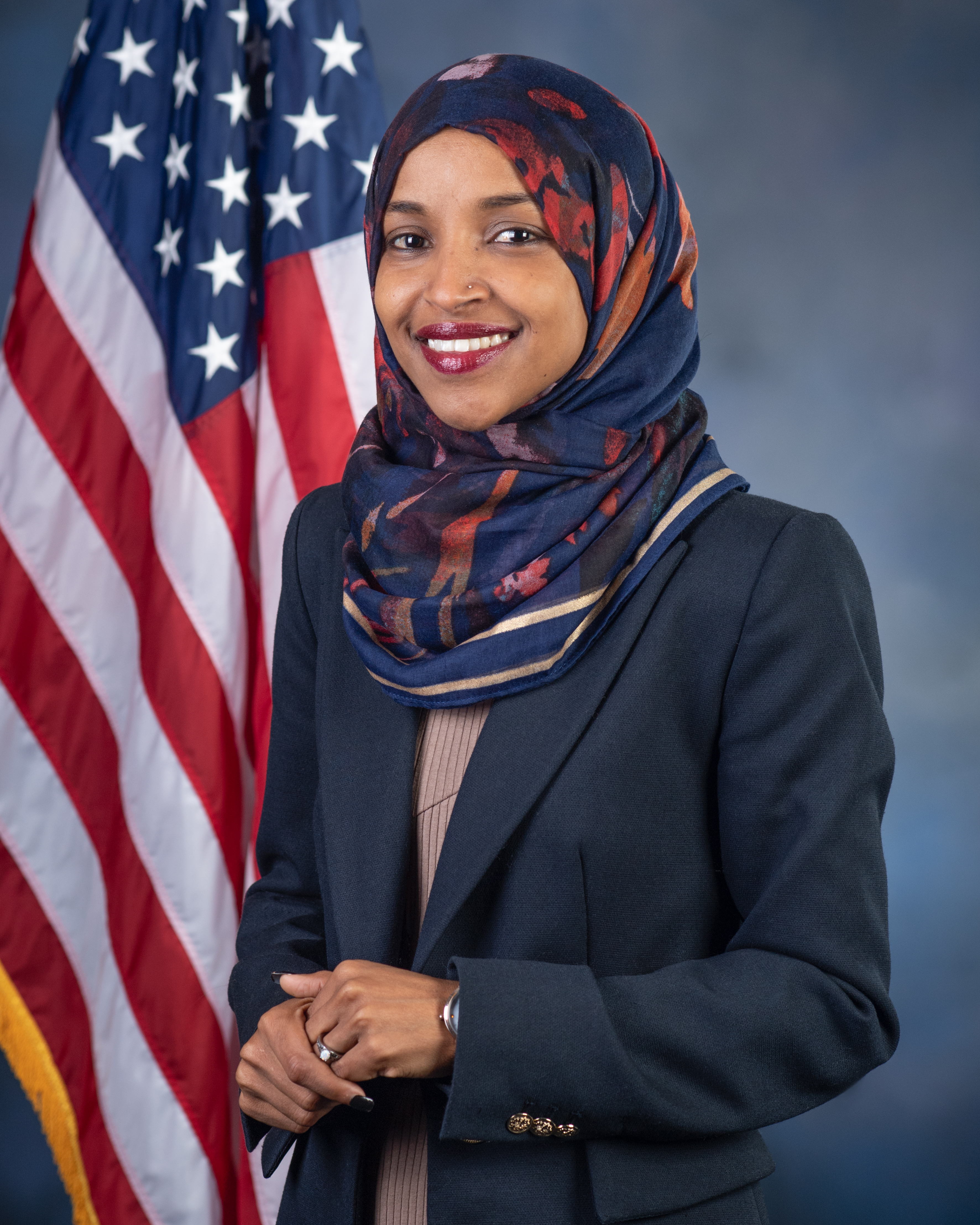
The recent election of Muslim politicians to public office has marked a significant shift in the American political landscape. Despite facing numerous challenges and controversies, Muslim candidates have been able to connect with voters and win elections, paving the way for a more diverse and inclusive leadership. This trend has sparked both excitement and debate, with many wondering what it means for the future of American politics and the Muslim community.
One of the most notable examples of this trend is the election of Ilhan Omar to the U.S. House of Representatives. Omar, a Muslim immigrant from Somalia, has been a vocal advocate for social justice and human rights, and her election has been seen as a major milestone for Muslim representation in American politics. However, her rise to prominence has also been marked by controversy, with some critics accusing her of being anti-Semitic and divisive.
Despite these challenges, Omar’s election has inspired a new generation of Muslim Americans to get involved in politics. Many see her as a role model and a symbol of the growing diversity and inclusivity of American society. According to a recent survey, the number of Muslim Americans running for public office has increased significantly in recent years, with many citing Omar as an inspiration.

The rise of Muslim representation in American politics is not limited to the federal level. In recent years, Muslim candidates have been elected to state and local offices, often winning in districts with significant Muslim populations. This trend has been driven in part by the growing number of Muslim Americans who are becoming engaged in the political process, with many seeing politics as a way to make a positive impact on their communities.
However, the increase in Muslim representation has also been met with resistance and backlash from some quarters. Some critics have accused Muslim politicians of being too focused on issues related to the Muslim community, and of not being representative of the broader American population. Others have raised concerns about the potential for Muslim politicians to be influenced by foreign governments or extremist ideologies.
Despite these challenges, many Muslim politicians have been able to build coalitions and work across party lines to achieve their goals. They have also been able to connect with voters from diverse backgrounds, often by focusing on issues such as economic justice, education, and healthcare. According to a recent study, Muslim Americans are more likely to vote for candidates who share their values and priorities, rather than simply voting along party lines.

The rise of Muslim representation in American politics has significant implications for the future of American society. As the Muslim population continues to grow, it is likely that we will see more Muslim politicians elected to public office. This could lead to a more diverse and inclusive leadership, with a greater range of perspectives and experiences represented. However, it could also lead to increased tensions and conflicts, particularly if some groups feel that their interests and values are being threatened.
Ultimately, the success of Muslim politicians will depend on their ability to build bridges and work across party lines. They will need to be able to connect with voters from diverse backgrounds, and to address the concerns and fears of those who may be skeptical of their candidacy. By doing so, they can help to build a more inclusive and equitable society, where everyone has the opportunity to thrive and succeed.
The impact of Muslim representation in American politics extends beyond the political arena. It has the potential to shape the cultural and social fabric of American society, promoting greater understanding and acceptance of Muslim Americans and their contributions. As the Muslim population continues to grow, it is likely that we will see more Muslim artists, writers, and intellectuals making significant contributions to American culture.
However, this growth and increased visibility also bring challenges. Muslim Americans face unique struggles, including Islamophobia, discrimination, and marginalization. The rise of Muslim representation in politics can help to address these issues, but it will require sustained effort and commitment from Muslim politicians and their allies.
As the American political landscape continues to evolve, it is clear that Muslim representation will play an increasingly important role. By promoting diversity, inclusivity, and social justice, Muslim politicians can help to build a more equitable and just society for all Americans. Their success will depend on their ability to connect with voters, build coalitions, and address the complex challenges facing American society.
The story of Muslim representation in American politics is one of hope and resilience. Despite facing numerous challenges and obstacles, Muslim Americans have been able to make their voices heard and to achieve significant successes. As the Muslim population continues to grow, it is likely that we will see more Muslim politicians elected to public office, and that they will play an increasingly important role in shaping the future of American society.

In conclusion, the rise of Muslim representation in American politics is a significant trend that has the potential to shape the future of American society. By promoting diversity, inclusivity, and social justice, Muslim politicians can help to build a more equitable and just society for all Americans. As the Muslim population continues to grow, it is likely that we will see more Muslim politicians elected to public office, and that they will play an increasingly important role in shaping the future of American politics.
The future of Muslim representation in American politics is uncertain, but one thing is clear: it will be shaped by the actions and decisions of Muslim Americans and their allies. By working together to promote civic engagement, voter registration, and social justice, Muslim Americans can help to build a more inclusive and equitable society, where everyone has the opportunity to thrive and succeed. As the American political landscape continues to evolve, it is clear that Muslim representation will play an increasingly important role in shaping the future of American society.