Beyond the Viral Moment: What Real Justice Looks Like for Victims After Public Incidents
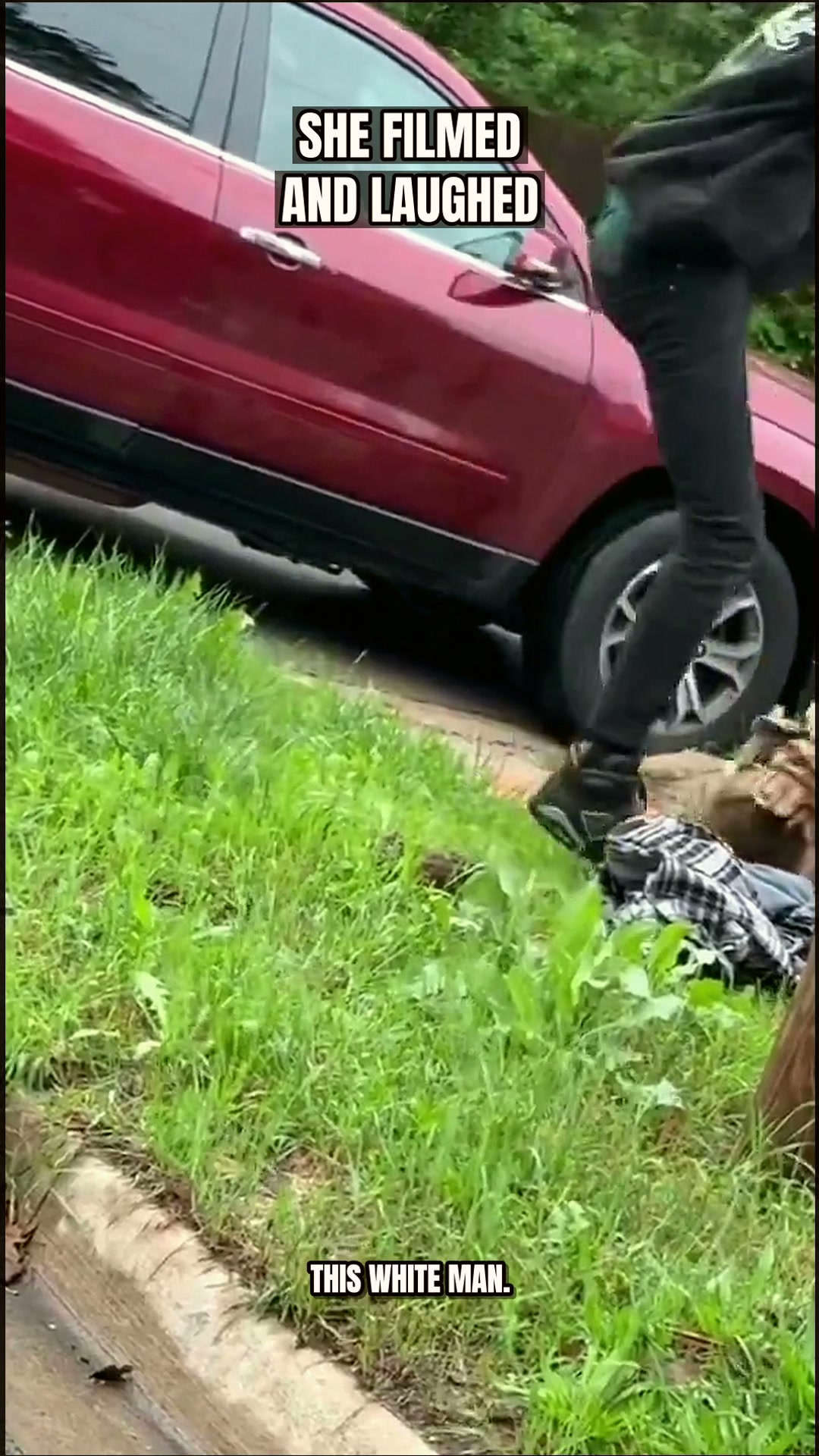
The cameras stop rolling, the crowd disperses, and the people left picking up the pieces discover that accountability is a slow, expensive, and deeply personal fight.
Imagine standing in a parking lot, phone in hand, watching a dispute unfold that has nothing to do with you. Within hours, that footage is everywhere. Within days, the people involved become household names. Within weeks, almost everyone has moved on. Almost everyone.
The person at the center of that footage does not get to move on. They get to sit in a lawyer’s office. They get to file reports. They get to explain to an employer why their face is on a stranger’s screen. The viral moment ends for the audience. For the people involved, the legal process is only beginning.
That gap between public outrage and private consequence is where the real story lives. It is also where most Americans have no idea what their rights actually are.

The Legal Precedent: Where Private Rules Clash With State Civil Codes
Most public disputes that go viral start as a disagreement over a private rule. A venue policy. A homeowners association guideline. A verbal agreement that two people remember very differently. The problem is that private rules do not override state civil codes, and most people do not learn that until they are already in the middle of a case.
Civil codes in most states lay out clear frameworks for property disputes, personal injury claims, defamation, and breach of contract. Those frameworks exist whether or not anyone involved has heard of them. A business owner who thinks a policy is airtight can discover in court that it violates a state consumer protection statute. A private citizen who thinks a verbal agreement is binding can learn that without documentation, it means almost nothing.
“The public sees a video. The court sees a contract, a timeline, and a burden of proof. Those are two completely different realities.”
This is why legal experts consistently tell people involved in public disputes to stop talking and start documenting. Every text message. Every receipt. Every witness name. The court does not care what the internet thinks. It cares what can be proven.
That deadline is the single most overlooked detail in these cases. People spend months processing what happened, assuming they can file later. By the time they call an attorney, the window has closed.

- Does the venue’s private policy conflict with state consumer protection statutes, and who bears liability if it does?
- What evidence survives after a viral clip is edited, reposted, and stripped of context?
- When does public documentation cross the line into defamation, and who pays the price?
Civil Liability and Business Codes: Hidden Legal Risks for Local Venues
Every business that serves the public operates under a web of liability rules. Premises liability. Duty of care. Consumer protection statutes. These are not optional guidelines. They are enforceable obligations, and when a dispute goes public, every one of them gets examined.
A venue that mishandles a customer dispute can face more than bad publicity. It can face civil claims for negligence, emotional distress, and in some cases, punitive damages. Insurance carriers often settle quietly to avoid a trial, which means the public never learns what the outcome actually was.
The financial stakes run both directions. A business can lose its reputation in a single afternoon. A customer can lose thousands in legal fees pursuing a claim that should have been resolved with a simple apology and a refund.
“Accountability is not a viral moment. It is a paper trail, a filing fee, and a judge who has never seen the video everyone else watched.”
This is where community accountability becomes practical rather than performative. Local legal aid organizations, small claims courts, and state consumer protection offices exist specifically for these situations. They are underused because most people do not know they exist until it is too late.
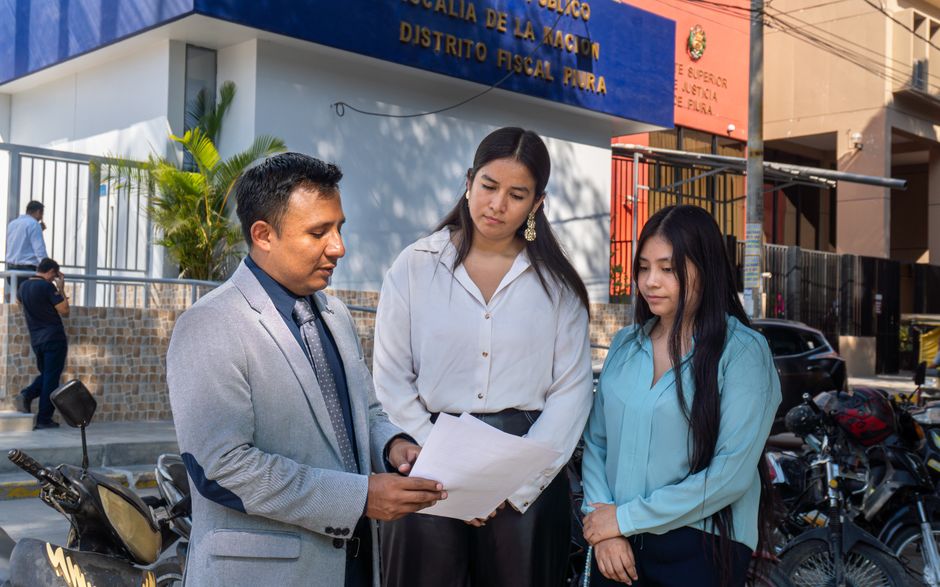
Similar civil disputes across the country are forcing community leaders and local venues to confront serious liability under state regulations. Explore the full legal breakdown of related incidents →
Consumer Protection and Financial Fallout: What Precedent Does This Set?
Every resolved dispute sets a precedent, whether or not anyone intended it to. A settlement here. A dropped claim there. A judge’s ruling that gets cited in the next case. The system moves slowly, but it moves, and the outcomes shape what the next person can expect.
Victim rights advocates point out that the financial fallout often outlasts the emotional one. Lost wages from court appearances. Attorney fees that dwarf the original dispute. Damages that never fully materialize because the other party files for protection or simply disappears.
The people who come out whole are almost never the ones who shouted the loudest online. They are the ones who hired counsel early, preserved evidence, and treated the process like the marathon it is.
“The internet gives you a verdict in an hour. The court gives you one in a year. Only one of them can actually collect.”
Community resources make the difference. State bar association referral services. Legal aid clinics. Victim compensation funds that most states operate but rarely advertise. These are not loopholes or handouts. They are the infrastructure of accountability, built for exactly these moments.
The uncomfortable truth is that most people will never use them. Not because they do not qualify. Because they do not know the clock is running, the paperwork is required, and the viral moment that felt like justice was never justice at all.
It was just the beginning of the bill.