Accountability After the Cameras Stop Rolling: What Justice Really Looks Like for Victims of Viral Incidents
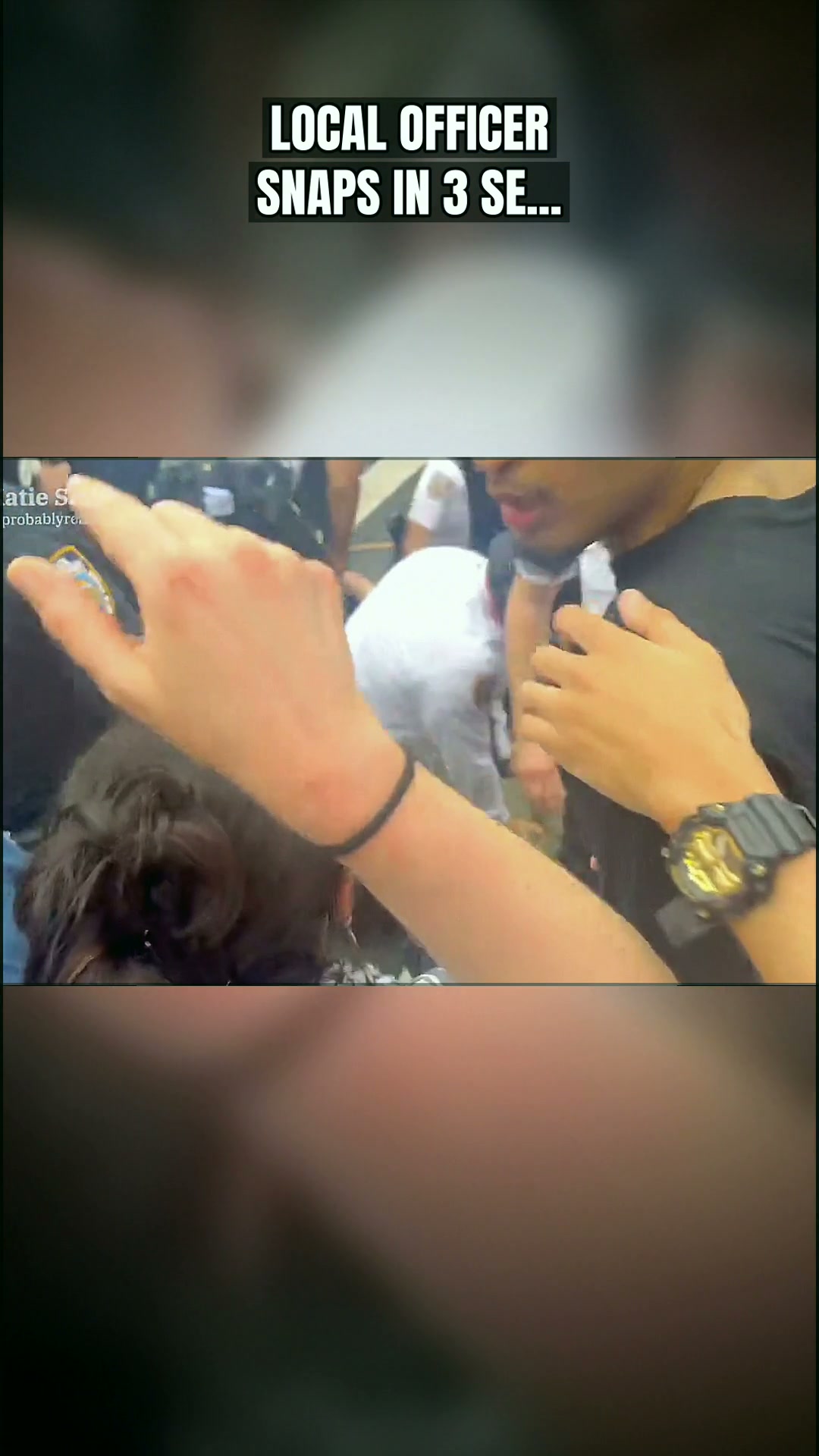
When a single piece of footage reshapes a city’s trust in its institutions, the real test begins long after the clip stops trending
It took less than ninety seconds of shaky footage to set a city on edge. A routine stop on a New York sidewalk. Raised voices. Then the unmistakable crack of a baton against a body already on the ground. By morning, the clip had been viewed millions of times, and the question every viewer asked themselves was the same: what happens now?
That question is where most viral incidents quietly die. The outrage fades. The algorithm moves on. But for the person on the receiving end of that baton, and for the thousands of Americans who recognize themselves in that footage, the aftermath is where everything actually gets decided.

Community Accountability and the Limits of the Internal Review Process
When an incident like this goes viral, the machinery of accountability kicks into gear with a predictable rhythm. The department announces a review. Officials issue carefully worded statements. Community leaders demand transparency. And then, more often than not, the public waits.
Internal reviews are not court proceedings. They are administrative processes governed by union contracts, civil service protections, and layers of procedural rules that most Americans have never read. That gap between public expectation and bureaucratic reality is where trust erodes.
“The footage is the beginning of the conversation, not the end of it. What happens in the next six months determines whether anyone is actually held responsible.”
For victims of excessive force, the path forward is rarely a single hearing. It is a maze of filings, medical documentation, witness statements, and legal deadlines that most people are completely unprepared to navigate alone.
Civil Liability and the Financial Fallout for Municipal Agencies
Here is what the public rarely hears. When a use-of-force incident generates a civil claim, the payout does not come from the officer’s paycheck. It comes from the city budget. From taxpayer dollars. From the same pool of money that funds schools, roads, and public health clinics.
Settlements in these cases routinely climb into the six and seven figures. And unlike a criminal proceeding, a civil claim does not require proof beyond a reasonable doubt. It requires a preponderance of the evidence, a far lower bar that has quietly reshaped how municipalities evaluate risk.
- Will the department release the full unedited footage, or only the segments already circulating online?
- What disciplinary action, if any, will survive the union grievance process that follows nearly every use-of-force finding?
- Who pays the settlement if a civil claim succeeds, and does that cost ever reach the officer’s record?
For the person in that footage, none of this feels abstract. Medical bills arrive on schedule. Lost wages do not wait for a review board. And the psychological toll of reliving the incident every time the clip resurfaces online is a cost no settlement line item ever fully captures.
Victim advocacy organizations across the country have spent years building resources for exactly this scenario. Legal aid clinics, civil rights attorneys working on contingency, and community mediation programs exist in nearly every major metro area. The problem is that most people do not know they exist until it is too late to use them.
Victim Rights and the Resources Most People Never Hear About
The gap between what is legally available and what is practically accessible is where justice quietly fails. A victim’s right to counsel means nothing if they cannot find an attorney willing to take the case. A right to a hearing means nothing if the filing deadline passed three weeks ago.
Community legal clinics, bar association referral services, and nonprofit civil rights organizations operate in most American cities. They are underfunded, understaffed, and rarely advertise. But they are often the only realistic path forward for someone without the means to retain private counsel.
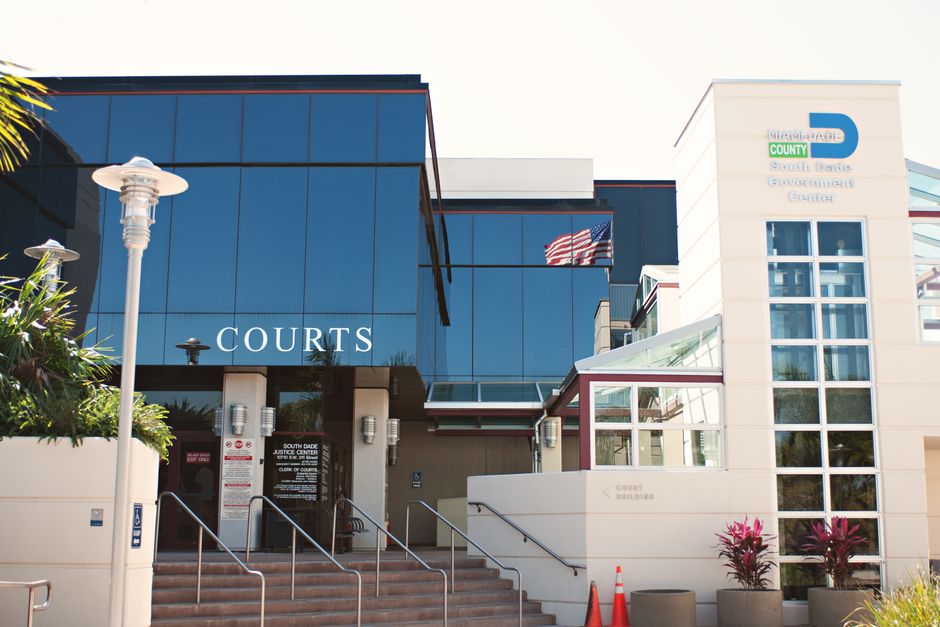
Similar civil confrontations across the country are forcing community leaders and local venues to confront serious liability under state regulations. Explore the full legal breakdown of related incidents →
What makes this case different from the dozens that fade each month is timing. The footage surfaced during a period of heightened public attention on use-of-force policy, which means the pressure for a real outcome is higher than usual. But pressure is not the same as resolution.
Advocates point out that viral attention has a half-life. Within weeks, the story will move off front pages. The review board will still be meeting. The civil claim, if one is filed, will still be in its earliest procedural stages. And the person at the center of it all will still be waiting.
Consumer Protection and the Long-Term Financial Consequences for Taxpayers
There is a number that almost never makes headlines: the annual cost of use-of-force settlements to American cities. It runs into the hundreds of millions every year. In some municipalities, it consumes a meaningful percentage of the discretionary budget.
That money does not come back. It does not fund new parks or repair crumbling infrastructure. It is simply gone, paid out to resolve claims that, in many cases, could have been avoided with better training, clearer policy, or basic de-escalation standards.
“Every settlement is a receipt. It tells you exactly what the city was willing to pay to make a problem disappear without ever fixing it.”
For taxpayers, that is the part of the story no one explains. The cost of accountability, or the lack of it, is baked into every municipal budget in the country. It is a hidden tax that no one voted for.
The officer at the center of this incident has not been publicly identified in official statements. The department has declined to comment on the specifics of the review. The person on the ground that night has not spoken publicly.
And the footage, the one piece of evidence that started all of this, will keep circulating. It will keep being watched. It will keep being shared. But the review board meets behind closed doors, the deadlines keep moving, and the people who were actually there are the ones who will wait the longest to find out what, if anything, justice actually looks like.