The Quiet Erosion of Worker Rights: How Employer Overreach Is Rewriting the Rules of the American Paycheck
From stolen overtime to silent terminations, a new era of workplace accountability is colliding head-on with employment law — and ordinary workers are the ones footing the bill.
Imagine clocking out after a twelve-hour shift, exhausted, only to discover your paycheck is short. Again. You ask a manager. You get a shrug. You ask HR. You get a form letter. And somewhere in a back office, a spreadsheet quietly decides that your time was never really yours to begin with.
That is not a hypothetical for thousands of American workers. It is Tuesday.
Across the country, labor attorneys and state regulators describe a steady drumbeat of complaints that share a chilling common thread: employers treating federal and state labor protections as optional suggestions rather than binding law. Overtime quietly vanished. Break times erased from the schedule. Termination paperwork that arrives with no warning, no cause, and no explanation.
“The worker almost always assumes they did something wrong. In reality, the employer is often the one breaking the law — and counting on the worker not knowing it.”
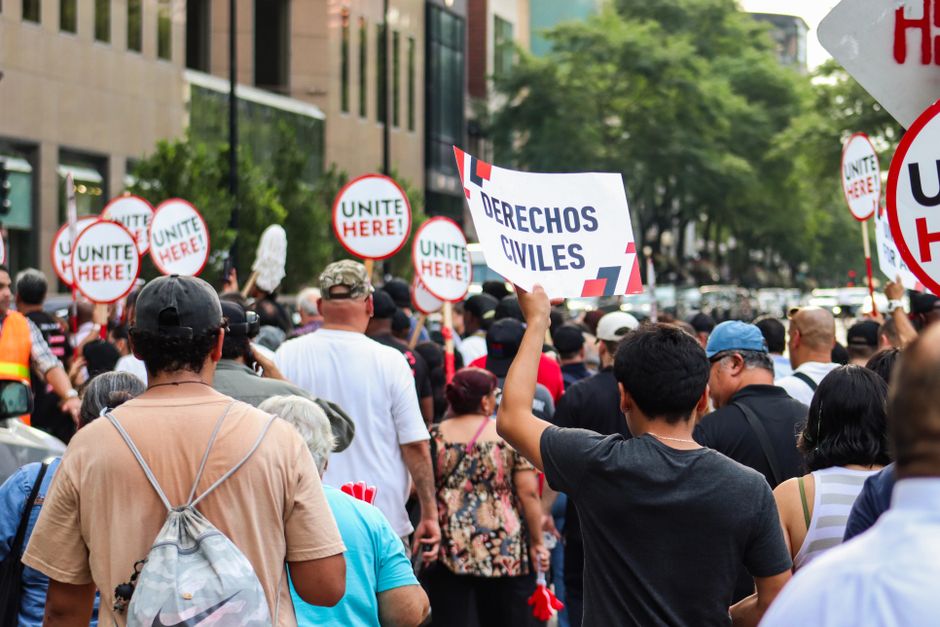
Here is what makes this moment different. Workers are no longer silent. They are documenting. They are screenshotting. They are comparing pay stubs in group chats and calling state labor boards in record numbers. And employers who spent decades betting on employee ignorance are suddenly finding themselves on the wrong side of a paper trail.

The Legal Precedent: Where Private Employer Policy Clashes With State Labor Codes
Corporate handbooks love to sound absolute. “At-will employment.” “Company discretion.” “Final and binding.” The language is designed to feel like law.
It is not.
State labor codes and federal statutes override internal policy every single time there is a conflict. An employer cannot contract around minimum wage. Cannot write away overtime. Cannot terminate someone for exercising a legally protected right — and then paper it over with a performance review that nobody saw until the day it mattered.
Yet that is exactly the playbook attorneys say they see repeated across industries: small businesses, franchise chains, logistics operations, and even white-collar offices where HR departments function more like damage control than employee protection.
The pattern is consistent. The worker is isolated. The timeline is compressed. The paperwork appears retroactively. And the worker — convinced they have no case, no money, and no time — walks away.
- When an employer rewrites a job description after termination, does that constitute evidence of pretext under state employment law?
- How many unpaid wage claims go unfiled each year because workers fear retaliation or cannot afford counsel?
- Do mandatory arbitration clauses in onboarding paperwork strip workers of the right to a jury trial — and are courts beginning to push back?
That silence is the business model. It is cheaper to underpay ten workers who say nothing than to pay one worker who sues.
Civil Liability and HR Accountability: The Hidden Financial Exposure Employers Keep Ignoring
Human resources departments are not neutral referees. They are retained by the employer, paid by the employer, and answerable to the employer. That is not cynicism. That is corporate structure.
Which is why employment attorneys advise workers to bypass HR entirely when the stakes are legal. Document everything. Save your own copies of schedules, pay stubs, performance reviews, and written communications. Do not rely on a company portal that can be edited, deleted, or locked the moment you are walked out the door.
“By the time a worker realizes they need evidence, the employer has already scrubbed the file. The workers who win are the ones who kept their own receipts.”
Financial exposure for employers is real and growing. Wrongful termination judgments, wage and hour class actions, retaliation claims, and state-level penalties can run into six and seven figures. Add attorney’s fees — recoverable by the prevailing worker under many statutes — and the math turns ugly fast.
That is the part most employers never see coming. They budget for a settlement. They do not budget for a pattern.

Similar workplace disputes across the country are forcing employers and state labor boards to confront serious liability under wage and termination statutes. Explore the full legal breakdown of related workplace cases →
Consumer Protection and the Financial Fallout: What Precedent Does This Set for Everyday Workers?
Every time an employer quietly wins a wage dispute that should have been litigated, the precedent calcifies. Not in a courtroom — in a break room. Word spreads. “They got away with it.” And the next worker thinks twice before speaking up.
That is how a legal right dies. Not with a vote. With a whisper.
State labor agencies are now staffing up. Wage theft hotlines are seeing spikes. And a new generation of workers — armed with phones, screenshots, and a deep distrust of corporate language — is refusing to accept the old script.
The employers who adapt will survive the shift. The ones who keep betting on silence will not.
Because here is the part nobody in HR will tell you: the statute of limitations on unpaid wages does not wait for you to feel ready. It runs. Quietly. Relentlessly. From the day the violation happened — not the day you found out.
And by the time most workers realize they had a case, the clock has already stopped.