The True Measure of Justice: What Happens After the Cameras Stop Recording
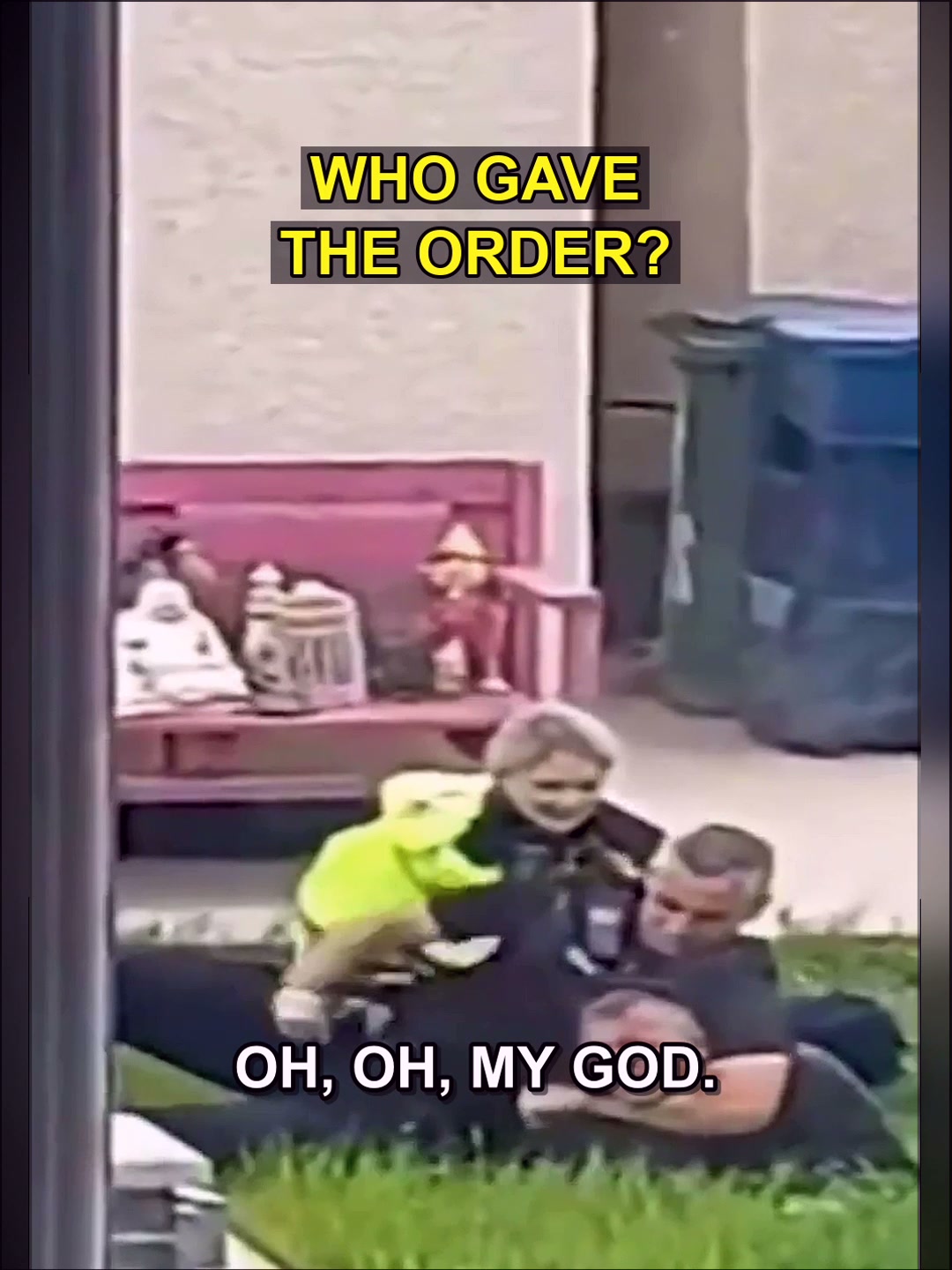
When a public incident goes viral, outrage is instant. But accountability is slow, complicated, and often invisible. Here is what the system actually does next.
- Public outrage fades within days, but legal proceedings can stretch for months or years.
- Victims often face a maze of paperwork, hearings, and limited support resources.
- Community accountability requires sustained pressure, not just a viral moment.
Imagine the footage stops. The phone goes dark. The crowd disperses. And suddenly, the person at the center of it all is left standing alone with a body that hurts and a system that moves at a crawl.
That is the part nobody films. The aftermath. The waiting rooms. The case numbers. The voicemails that never get returned.
When a public incident captures national attention, the outrage cycle is brutal and brief. Within seventy-two hours, the hashtags stop trending. Within a week, the news cycle has moved on. But for the people involved, the process is just beginning.

What Accountability Actually Looks Like
Accountability is not a moment. It is a sequence of tedious, frustrating steps that most people never see.
First comes the report. Then the review. Then the assignment of a case number that will follow the victim for months. Each stage requires documentation, follow-up calls, and an exhausting amount of patience.
The legal process is designed to be thorough. But thorough means slow. And slow means that the urgency felt in the first hours after an incident rarely matches the pace of the system that is supposed to deliver justice.
“The cameras capture thirty seconds. The consequences last for years. Nobody prepares you for the years.”
Victim advocates say the gap between public attention and private recovery is where most people fall through the cracks. Without sustained support, cases stall. Witnesses stop cooperating. Evidence gets lost in the shuffle.

The Resources That Exist But Nobody Tells You About
Here is what the system does not advertise: there are resources. Victim compensation programs. Legal aid clinics. Community mediation services. Nonprofit advocacy groups that walk people through the process step by step.
The problem is access. These resources are scattered across agencies, buried in government websites, and often require in-person visits during business hours. For someone already dealing with the emotional toll of an incident, the barrier to entry is enormous.
Community organizations have stepped in to fill the gap. Local nonprofits now offer navigators who help victims file paperwork, attend hearings, and understand their rights. But these programs are underfunded and overwhelmed.
The result is a two-tier system. Those with resources and knowledge navigate the process. Everyone else gets lost.

Why Community Follow-Through Matters More Than Viral Outrage
A trending topic does not change policy. A sustained community effort does.
When neighbors show up to local meetings, when advocacy groups track case outcomes, when journalists follow up months later instead of moving on, the system responds. Accountability is not delivered by algorithms. It is delivered by people who refuse to forget.
“Justice is not a hashtag. It is a habit. It is the boring, relentless work of showing up again and again.”
The communities that see results are the ones that treat accountability as an ongoing commitment, not a one-time reaction. They create phone trees. They attend hearings. They hold local officials to their word.
That is the unedited truth. Outrage is easy. Follow-through is hard. And the people who need justice the most are the ones who can least afford to wait for it.
The cameras are already off. The question is what happens next.