The True Measure of Justice After Private Property Towing Disputes
When the System Fails Ordinary Americans, Community Accountability Becomes the Last Line of Defense
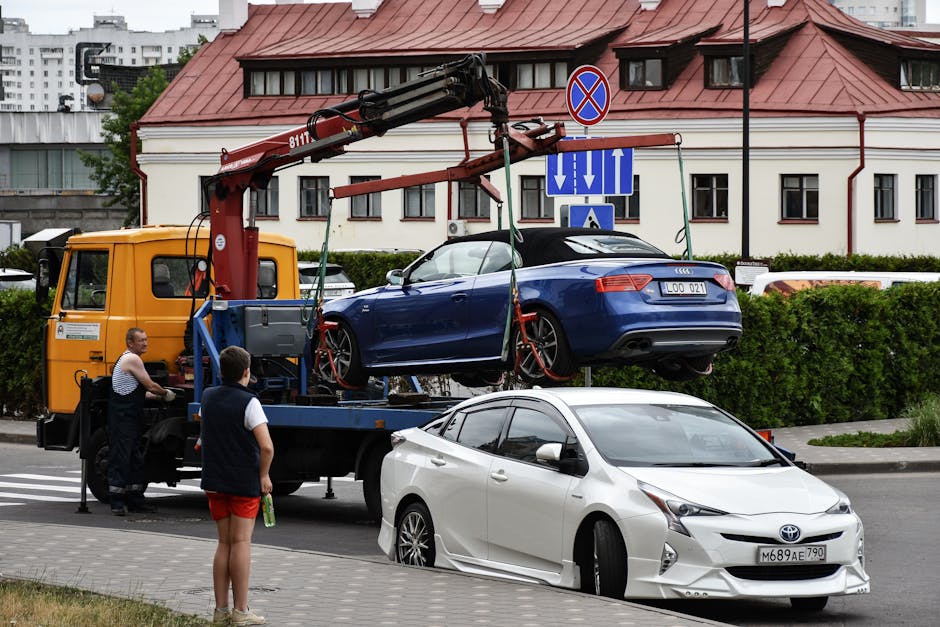
Imagine walking outside to find a tow truck operator hooking chains to your family vehicle, parked legally on your own property. The engine revs. The driver refuses to stop. Your children are watching from the window. This is not a hypothetical scenario for thousands of Americans every single year.
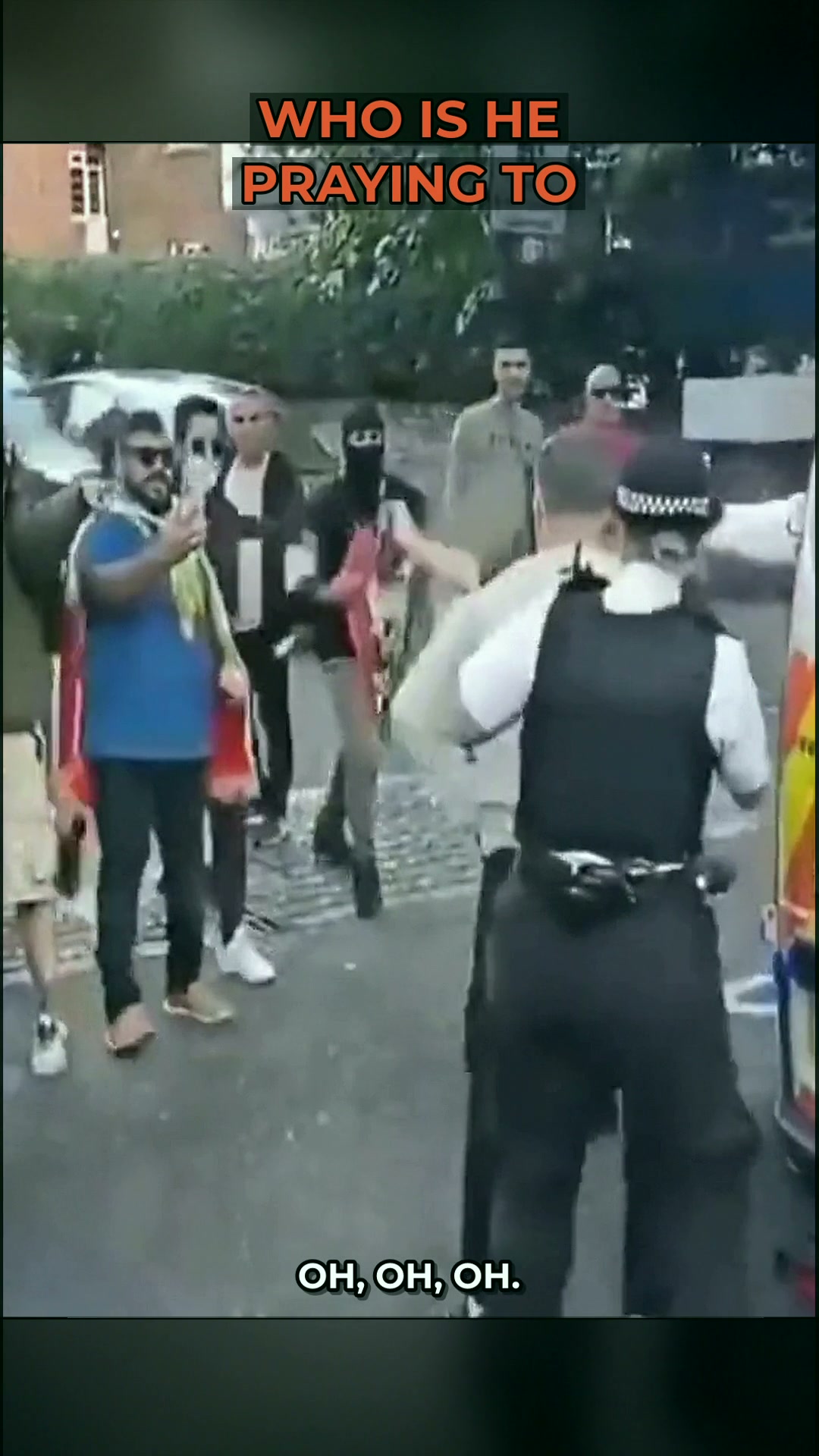
The incident captured on video shows exactly how quickly a routine morning can spiral into a legal standoff. A vehicle owner. A tow truck operator. Two completely different interpretations of property rights. And no clear authority on the scene to determine who is actually correct.
What happens next reveals everything about how justice operates in this country. Not in courtrooms. Not in legislative chambers. But on driveways and parking lots where ordinary citizens must become their own advocates in real time.
The Legal Precedent: Where Private Rules Clash With State Civil Codes
Most Americans assume that parking on their own property provides absolute protection. That assumption crumbles when private towing companies operate under contracts with homeowners associations, property management firms, or even expired agreements that were never properly terminated.
State civil codes vary dramatically. Some jurisdictions require tow operators to provide immediate release upon owner request. Others allow removal without notification if signage meets specific requirements. The gap between what feels right and what is legally permissible creates a nightmare for victims.
The vehicle owner in this incident faced that exact reality. The tow operator claimed authority. The owner claimed violation. And the legal system offered no immediate remedy for either party.
“The law says one thing. The contract says another. And the person standing in their driveway at 7 AM is left holding the bag with zero recourse.”
- Did the towing company hold a valid, current contract with the property owner at the time of removal?
- What notification requirements does state law mandate before a vehicle can be towed from private property?
- Who bears financial liability when a vehicle is wrongfully removed and the owner must pay to recover it?
These questions haunt every victim of disputed towing incidents. The answers rarely arrive quickly. And the financial damage compounds with each passing day the vehicle remains in impound.
Civil Liability and Business Codes: Hidden Legal Risks for Local Venues
Property owners who contract with towing companies rarely understand the full scope of their exposure. When a tow operator acts improperly, the liability often flows back to the business or property manager who authorized the removal.
Consumer protection statutes in several states now require tow companies to photograph vehicles before removal, maintain detailed records, and provide written notice within specific timeframes. Violations can trigger statutory damages, attorney fees, and in some cases, criminal penalties.

The problem is enforcement. Most victims never pursue legal action because the cost of an attorney exceeds the value of recovering their vehicle. Towing companies understand this calculus. It is built into their business model.
Similar civil confrontations across the country are forcing community leaders and local venues to confront serious liability under state regulations. Explore the full legal breakdown of related incidents →
Community accountability becomes the only meaningful check when legal remedies remain out of reach. Victims who document everything, share their stories publicly, and demand answers from property owners create pressure that courts cannot.
Consumer Protection and Financial Fallout: What Precedent Does This Set?
The financial toll extends far beyond the initial towing fee. Victims lose wages missing work to retrieve vehicles. They pay storage charges that accumulate daily. Some lose their jobs entirely when transportation disappears.
State lawmakers have introduced legislation to curb predatory towing practices, but industry lobbying efforts have stalled most reforms. The result is a patchwork of protections that vary wildly depending on zip code.
What resources exist for those affected? Legal aid organizations in major metropolitan areas offer limited assistance. Consumer protection divisions accept complaints but rarely pursue individual cases. Small claims court remains the most accessible option, though damages are often capped at amounts that do not cover actual losses.
“I did everything right. I parked on my own property. I had valid registration. And I still spent three days and four hundred dollars getting my car back from a company that had no business taking it.”

The precedent is clear. Without aggressive documentation, immediate legal action, and public pressure, victims of wrongful towing incidents rarely recover what they have lost. The system is not designed to protect them.
Community accountability fills the gap. Neighbors who witness incidents and provide testimony. Local journalists who expose patterns of abuse. Citizens who demand that property owners terminate contracts with predatory operators.
Justice after incidents like this does not arrive from a courtroom verdict. It arrives when enough people refuse to accept that this is simply how things work. When victims speak. When communities listen. When the cost of predatory behavior finally exceeds the profit.
Until then, the tow trucks keep rolling. And the next victim is already parked, unaware that their morning is about to be destroyed.