The True Measure of Justice After Public Enforcement Incidents
Accountability, Victim Rights, and the Community Resources That Actually Exist When the System Fails
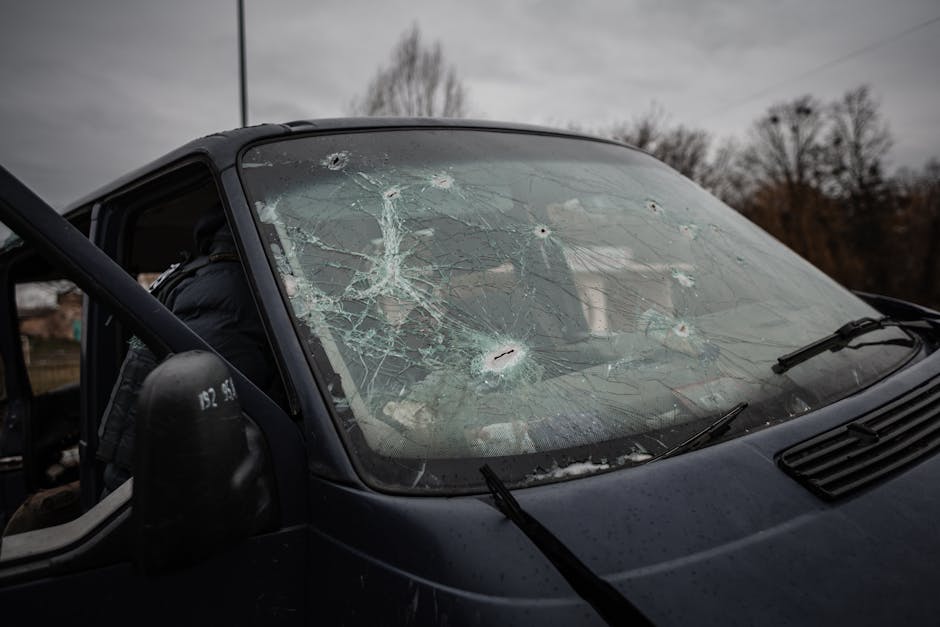
Imagine standing in your own driveway when the sound of shattering glass splits the afternoon. Not a break-in. Not a crash. An enforcement action unfolding feet from your front door, with neighbors filming from their porches and no clear answer about who is accountable for what happens next.
That scene plays out in communities across the country more often than most Americans realize. And the question that lingers long after the cameras stop rolling is rarely answered on the evening news: what does justice actually look like for the people left picking up the pieces?
This is not a story about a single moment. It is a story about what comes after — the legal process, the victim support networks, the community accountability mechanisms that most people never learn about until they desperately need them.
The Legal Precedent: Where Private Rights Clash With Government Authority
When an enforcement action results in property damage or personal harm, the legal landscape becomes a minefield that most citizens are completely unprepared to navigate. The core tension sits between government authority and individual rights — and the outcomes depend heavily on jurisdiction, documentation, and timing.
Federal civil rights statutes allow individuals to seek damages when government actors exceed their legal authority. But the burden of proof is brutal. Victims must demonstrate not just that harm occurred, but that the conduct crossed specific constitutional thresholds. Most claims die in the filing stage.
“The system is designed to process claims, not to deliver quick justice. For families living through this, the gap between those two things is where the real damage happens.”
Property damage claims follow a different path. Under the Federal Tort Claims Act, citizens can file administrative claims against the government within two years of an incident. But the process is slow, paperwork-heavy, and stacked against individuals without legal representation.
State-level claims offer another avenue. Many states have their own tort claims acts with different filing deadlines, caps on damages, and procedural requirements. Knowing which door to knock on — and when — is often the difference between recovery and nothing.
Civil Liability and Community Resources: The Support Systems Most People Never Find
Here is what the evening news never covers: the network of victim advocacy organizations, legal aid clinics, and community accountability groups that exist specifically for people navigating the aftermath of enforcement incidents.
The American Civil Liberties Union operates affiliate offices in every state, many with dedicated hotlines for reporting civil rights concerns. Legal aid societies provide free representation for low-income individuals facing property damage or rights violations. And community-based organizations in major metropolitan areas have built rapid response networks that document incidents in real time.
The problem is awareness. Most Americans do not know these resources exist until they are already in crisis — and by then, critical evidence has vanished and filing deadlines are closing in.
- Who bears financial responsibility when enforcement actions damage private property — the agency, the individual officer, or the taxpayer?
- What documentation must victims preserve in the first 48 hours to preserve their legal standing?
- Do state-level victim compensation funds cover enforcement-related property damage, or are those claims excluded?
Community accountability extends beyond formal legal channels. Neighborhood watch groups, tenant associations, and local faith organizations have increasingly stepped into the gap — providing emergency funds for repairs, connecting affected families with attorneys, and pressuring local officials to review enforcement protocols.
But these efforts are uneven. In well-organized communities, a single incident can trigger a coordinated response within hours. In less connected neighborhoods, families face the aftermath alone.

Consumer Protection and Financial Fallout: The Hidden Costs of Pursuing Justice
The financial math of seeking accountability is brutal — and most people do not see it coming.
Filing a civil rights claim requires an attorney. Civil rights attorneys typically work on contingency, taking 33 to 40 percent of any settlement or judgment. But many firms will not take cases without clear evidence of excessive force or egregious misconduct. Property damage cases alone rarely attract representation.
Even when a case moves forward, the costs compound. Expert witnesses, deposition transcripts, filing fees, and court costs can run into tens of thousands of dollars before a single hearing occurs. Victims who cannot secure contingency representation must pay out of pocket or abandon their claims entirely.
“Justice has a price tag, and the people who need it most are usually the ones who can least afford it. That is not a flaw in the system. That is the system working exactly as designed.”
State victim compensation programs offer another path, but eligibility varies wildly. Most programs cover medical expenses and lost wages for violent crime victims. Property damage from enforcement actions is frequently excluded. Applying requires police reports, documentation, and a review process that can take months.
Similar civil confrontations across the country are forcing community leaders and local venues to confront serious liability under state regulations. Explore the full legal breakdown of related incidents →
The long-term financial impact extends beyond legal costs. Property damage claims filed against government agencies can take years to resolve. Families forced to pay for repairs upfront may carry debt for months or years while waiting for reimbursement — if reimbursement ever comes.
And then there is the cost that cannot be calculated. Time lost from work. Childcare arranged during court appearances. The emotional toll on families who watch their neighbors move on while they remain trapped in a legal process with no clear end date.
Community accountability requires more than outrage. It requires infrastructure — legal resources, financial support, and a willingness to treat every incident as a test of whether the system actually works for the people it claims to protect.
For the families still waiting, the answer to what justice looks like remains painfully unclear. The paperwork sits on a desk somewhere. The filing deadline inches closer. And the question that started it all — who is accountable — still has no answer.