The Human Cost of Climate Disruption: When Protest Meets Gridlock on Main Street
Behind the slogans and stalled traffic, real people—nurses, parents, gig workers—pay the price for a movement’s message
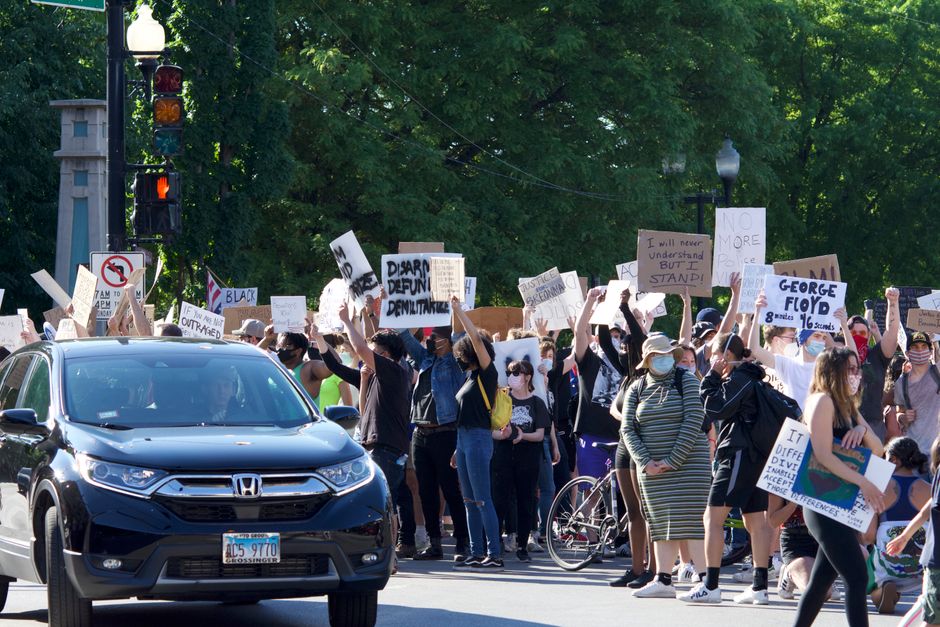
Imagine sitting in your car, already ten minutes late for a shift you can’t afford to miss, when the road ahead simply stops. Not an accident. Not construction. Just a wall of bodies linked arm-in-arm, banners held high, and the slow realization that your entire day—your paycheck, your child’s pickup, your mother’s medication run—now hangs on someone else’s schedule.
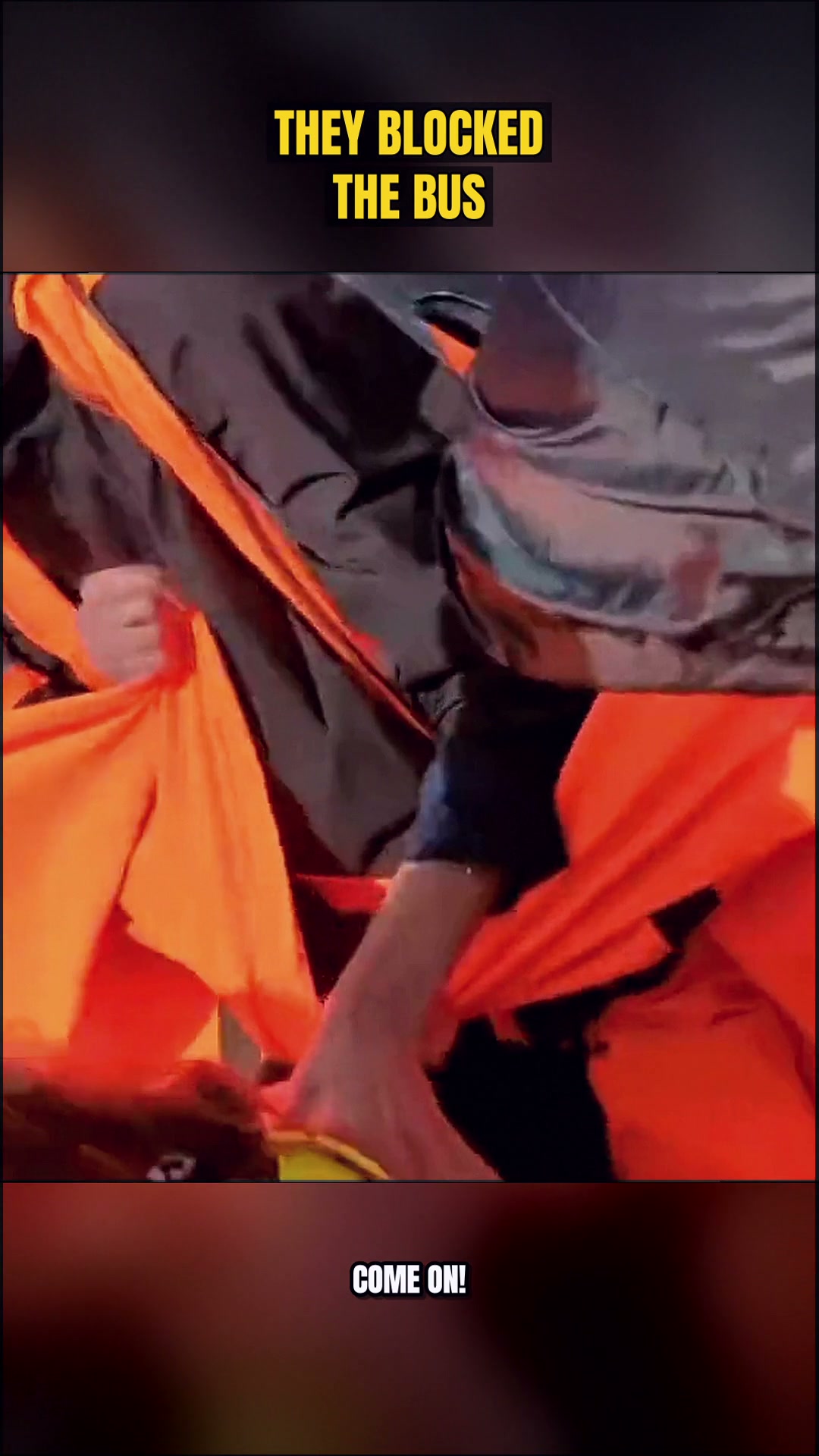
That was the scene captured in a now-viral moment from a climate demonstration that brought an American roadway to a grinding halt. The footage shows drivers stepping out of their vehicles, voices raised, one man physically trying to move a protester from the asphalt. The tension is palpable, raw, and deeply human.
But strip away the politics for a moment. What’s left is a story about community—about what happens when the urgent needs of the many collide with the unyielding convictions of the few. And about the quiet, everyday heroes who find themselves trapped in a debate they never asked to join.
The Human Story: Everyday Lives Caught in the Crossfire of Civil Disobedience
For the protesters, the roadblock is a statement. For the people in those cars, it’s a hostage situation with no ransom note.
Consider the single mother racing to pick up her son from daycare before the late fee kicks in. The home health aide whose elderly client has been waiting hours for a scheduled visit. The delivery driver whose entire income depends on the number of stops he can make before sundown. These aren’t abstractions. They’re neighbors.
“I don’t disagree with the cause. I disagree with being made collateral damage in someone else’s revolution.”
That sentiment—echoed by countless voices in the comment sections and on the sidewalks—captures the crux of a growing national frustration. It’s not about whether climate change is real. It’s about whether the fight for the future has to come at the expense of the present for people who are barely getting by.
What makes this moment so compelling isn’t the politics. It’s the raw, unscripted humanity on both sides. The protester who genuinely believes they’re saving the planet. The driver who genuinely believes they’re being held hostage. Neither is a villain in their own story.
- At what point does peaceful protest cross the line into unlawful detention of ordinary citizens?
- Who bears legal and financial responsibility when emergency vehicles are delayed by roadblocks?
- Does blocking public thoroughfares violate state civil codes protecting freedom of movement?
- What recourse do affected workers have when they lose wages due to a protest they had no part in?
Civil Liability and the Hidden Legal Risks of Public Disruption
Here’s what rarely makes the headlines: when a road is blocked, the legal fallout can be enormous. In many states, obstructing a public roadway isn’t just a nuisance—it’s a civil infraction with real teeth.
Emergency vehicles delayed. Medical appointments missed. Hourly workers losing pay they’ll never recover. Each of these represents a potential civil claim, and each raises a fundamental question about where the right to protest ends and the right to free movement begins.
The legal landscape is a minefield. Protesters argue their actions are protected political speech. Authorities counter that blocking a highway crosses into unlawful assembly. And caught in the middle are the people who just wanted to get home.
What’s often lost in the debate is the emotional toll. The sense of helplessness. The feeling that your time, your needs, your very existence has been deemed less important than someone else’s cause. That’s a powerful emotion—and it’s one that doesn’t fade when the road finally clears.
Similar civil disputes across the country are forcing communities to confront difficult questions about the boundaries of public protest and the rights of everyday citizens. Explore the full legal breakdown of related incidents →
Consumer Protection and Community Resilience: What This Moment Reveals About Us
Here’s the uncomfortable truth that neither side wants to admit: the people most affected by these disruptions are often the ones with the least power to change anything.
They’re not policymakers. They’re not corporate executives. They’re the backbone of the community—the ones who keep the lights on, the shelves stocked, and the sick cared for. And when their lives are interrupted, the ripple effects spread far beyond a single blocked intersection.
“We keep hearing about the future. But some of us are just trying to survive the present.”
Yet within this tension lies something unexpectedly hopeful. Communities are beginning to have real conversations—not about whether to care about the planet, but about how to care for each other while doing it.
Neighbors are organizing ride-shares for stranded commuters. Local businesses are offering grace periods for late arrivals. And ordinary people are finding ways to support both the cause and the people affected by its tactics.

The real story here isn’t about protesters versus drivers. It’s about a society trying to figure out how to hold two truths at once: that urgent action is needed, and that the people bearing the burden of that action deserve to be seen.
Because at the end of the day, we’re all just trying to get somewhere. The question is whether we can find a way to get there together—or whether the road ahead will stay blocked, with no one willing to move first.
The engines are still idling. The horns are still honking. And somewhere in the distance, a mother is still counting the minutes until she can reach her child.