The Long Road to Justice: How Communities Hold Wrongdoers Accountable After a Forcible Tow
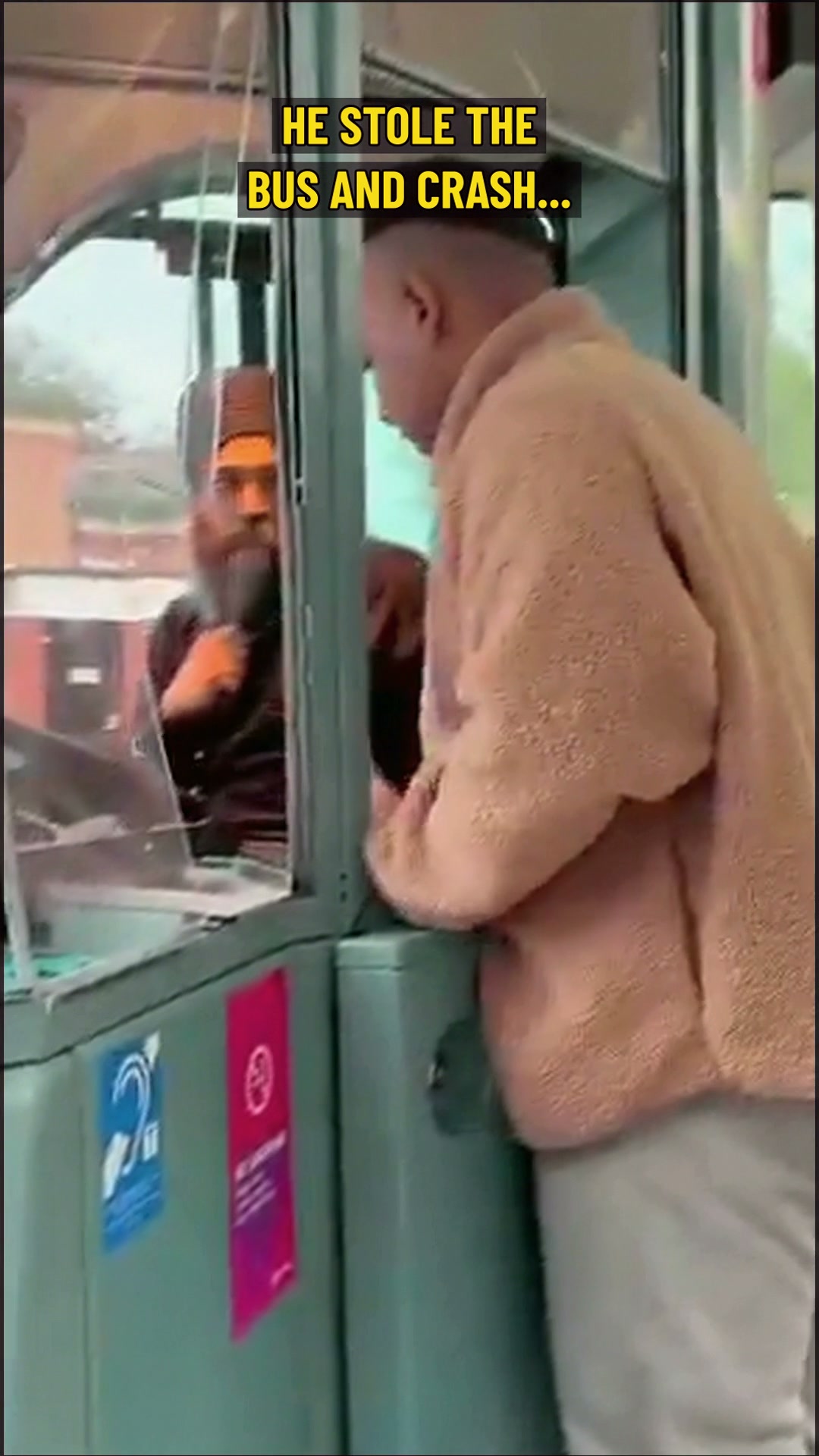
When a private contract collides with public order, the fight for victim rights and community accountability begins long after the tow truck drives away.
Imagine stepping onto your front porch, coffee in hand, only to watch a heavy-duty tow truck drag your only means of transportation off your property. The engine roars. The driver refuses to make eye contact. And the legal justification for the seizure is a single clause buried in a contract you signed years ago. This is not a scene from a dystopian novel. It is a reality unfolding in residential neighborhoods across the country, and it represents a critical flashpoint in the ongoing battle over consumer protection and property rights.
The footage from these incidents is often chaotic. A vehicle owner stands in the path of a retreating truck, shouting for answers. The operator, shielded by a company policy, cites a private contract as absolute law. It is a raw display of power where the rules of the road seem to vanish. For the victim, the immediate loss is financial, but the deeper injury is the feeling of helplessness against a system that often prioritizes corporate contracts over individual rights.

The emotional toll is immediate. One moment, life is normal. The next, a family is left without a way to get to work, take children to school, or attend medical appointments. The vehicle is not just a machine; it is a lifeline. When that lifeline is severed by a third party acting on a technicality, the victim is thrust into a complex legal labyrinth. The question that echoes in the aftermath is simple: who holds the tow operator accountable when the law is used as a weapon?
The Legal Precedent: Where Private Rules Clash With State Civil Codes
This is where the justice system is supposed to intervene. However, the path to accountability is rarely straightforward. Most towing operations are governed by a patchwork of local ordinances and private contracts. When a tow occurs on private property, the operator often claims immunity based on a signed agreement. But legal experts argue that this does not give them carte blanche to ignore due process. The key legal question is whether the seizure was conducted in strict adherence to state civil codes, or if it was an overreach that constitutes a wrongful conversion of property.
“The contract might allow them to tow, but it does not exempt them from the law. If they skip a mandatory notification step or violate a local ordinance, they are liable. The burden of proof shifts to the operator to prove they followed every letter of the law.”
For the victim, the first step toward justice is documentation. The video footage that captures the event is not just internet content; it is evidence. It establishes the timeline, the conduct of the operator, and the absence of proper notice. Community accountability begins when neighbors witness these events and support the victim in gathering this evidence. Without it, the case devolves into a “he said, she said” dispute that courts are often reluctant to adjudicate.
The financial fallout for the victim is often devastating. Reclaiming a vehicle from a tow lot can involve thousands of dollars in fees, storage charges, and administrative costs. Even if the tow is later deemed wrongful, the victim must often pay upfront to get their property back, then sue to recover the losses. This financial barrier is a common tactic used by bad actors to discourage legal challenges. It is a cold, calculated reality: many people simply cannot afford to fight, even when they are right.
- Did the towing operator provide the legally required notice to the property owner before hooking up the vehicle?
- Does the private contract cited by the operator override local municipal ordinances that require a grace period?
- What legal recourse does a victim have if the vehicle is damaged during the seizure or while in storage?
This is why community resources and victim advocacy groups are becoming essential. These organizations provide legal aid, help victims navigate the court system, and lobby for stricter regulations on towing practices. They understand that individual action is often no match for a well-funded corporation. The fight for justice is not just about one car; it is about setting a precedent that protects every resident from predatory practices.
Civil Liability and Business Codes: Hidden Legal Risks for Local Venues
The implications of these incidents extend far beyond the individual victim. Local businesses and property managers who hire towing companies are also exposed to significant legal risk. If a contractor they hired violates state law, the property owner can be held vicariously liable. This is a wake-up call for commercial landlords and homeowner associations. They cannot simply wash their hands of responsibility by outsourcing enforcement. The law requires them to ensure their agents operate within the boundaries of civil codes and respect the rights of tenants and visitors.
This legal reality is forcing a reevaluation of how private property disputes are handled. Community leaders are now calling for greater transparency in towing contracts and clearer signage that outlines tenant rights. The era of “tow first, ask questions later” is facing a legal reckoning. Courts are increasingly skeptical of operators who use aggressive tactics without proper documentation, and juries are often sympathetic to the ordinary citizen who was simply trying to protect their property.

For those affected, the path forward requires a combination of legal action and community pressure. Filing a complaint with the state attorney general’s office or the local consumer protection agency is a critical step. These agencies track patterns of misconduct and can initiate investigations that lead to fines or license revocations. It is a slow process, but it is one of the few tools available to hold bad actors accountable when the immediate legal system fails to provide swift relief.
Similar civil confrontations across the country are forcing community leaders and local venues to confront serious liability under state regulations. Explore the full legal breakdown of related incidents →
Consumer Protection and Financial Fallout: What Precedent Does This Set?
The final chapter of these disputes is often written in the courts, but the impact reverberates through the entire community. When a victim successfully sues a towing company for wrongful seizure, it sends a shockwave through the industry. It establishes that private contracts do not grant immunity from state law. It tells other operators that they cannot cut corners or ignore due process without facing financial consequences.
However, the road to recovery is long. Victims often spend months fighting for compensation, and the emotional scars of the incident can last even longer. The sense of violation that comes from having your property taken from your own driveway is not easily erased by a settlement check. This is why community accountability is so vital. It is not just about winning a case; it is about restoring a sense of safety and trust in the neighborhood.
“Justice is not just about getting your car back. It is about making sure the system works for the little guy. If we don’t hold