How Communities Hold Wrongdoers Accountable When Public Filming Disputes Erupt
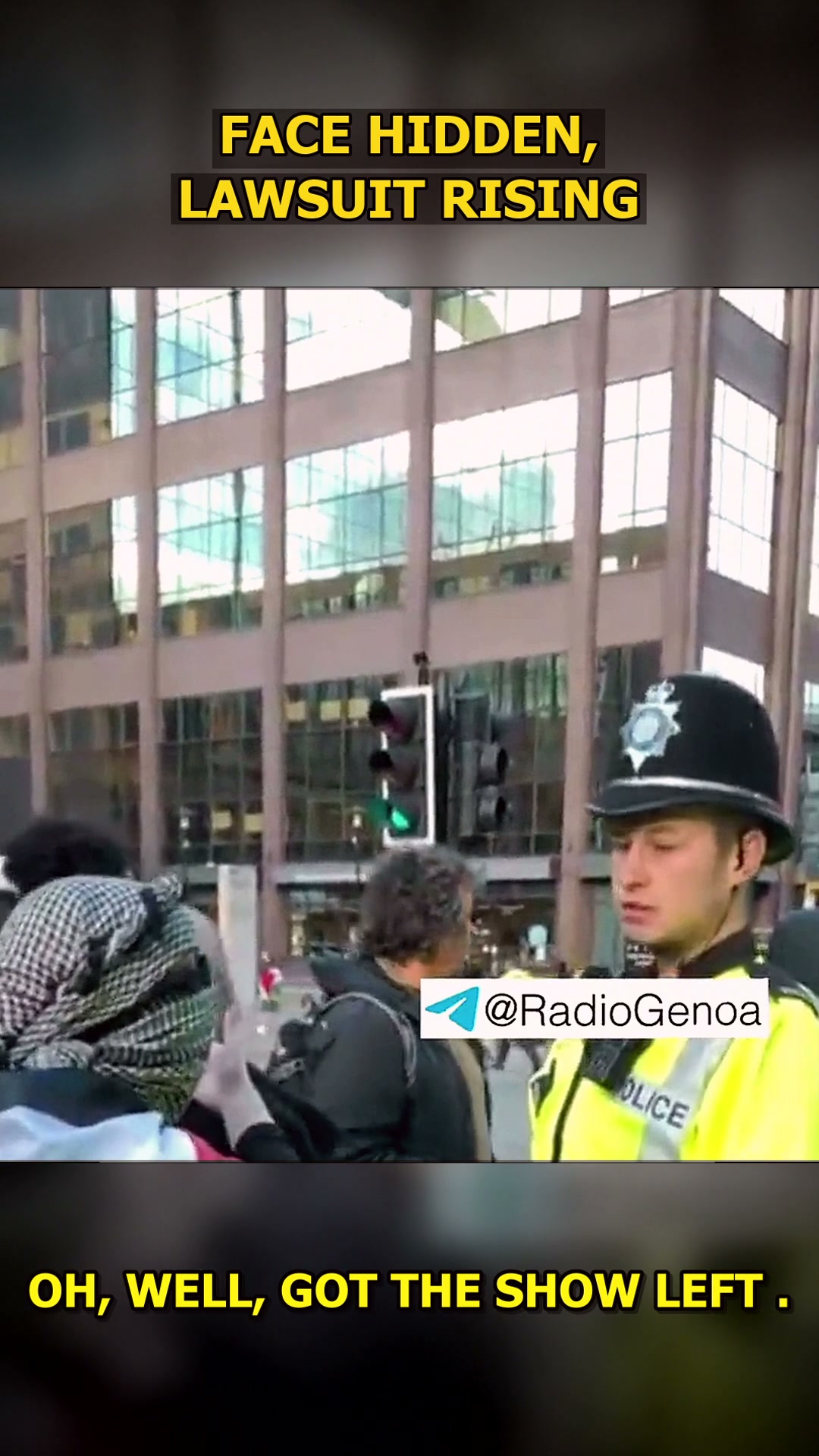
The Line Between Documenting Daily Life and Violating Privacy Is Thinner Than Anyone Wants to Admit
You are standing on a public sidewalk, phone in hand, recording a sunset. A stranger walks into your frame. Within seconds, they are demanding you delete the footage. Your heart pounds. You have no idea if you are breaking the law or simply exercising a basic right.
This scenario plays out thousands of times a day across the United States. And the aftermath, the scramble for accountability, the search for justice, is where things get truly ugly.
Most people assume that because a space is public, anything goes. That assumption is dangerously incomplete. The rules governing public filming vary wildly by state, by municipality, and by the specific context of the encounter. When a dispute erupts, there is rarely a clean resolution. Instead, there is confusion, resentment, and a lingering sense that the system failed everyone involved.
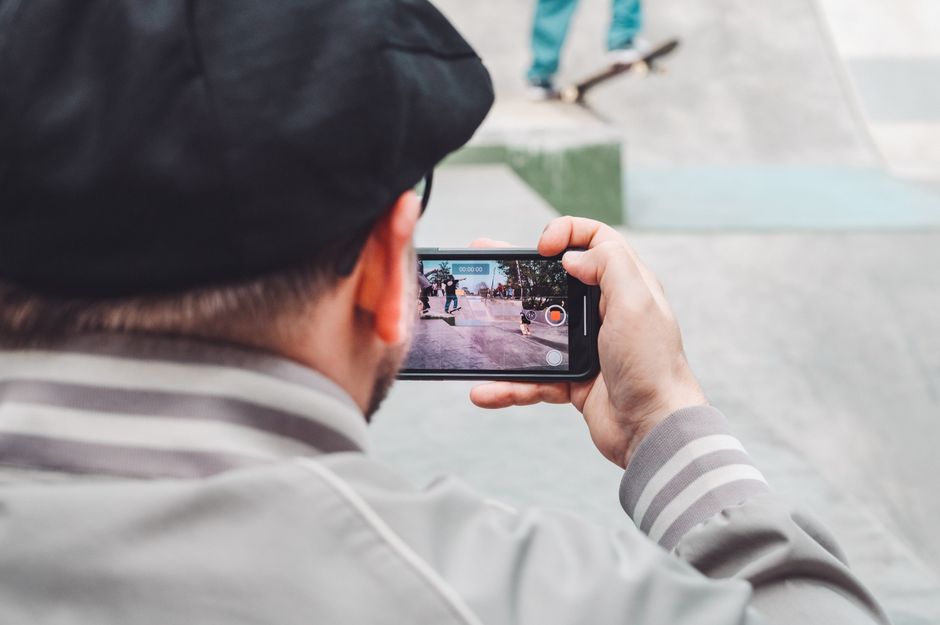
The party holding the camera believes they are protected. The party being filmed believes they have been violated. Both sides dig in. And the authorities, when they arrive, often have little more than a shrug to offer.
The Legal Precedent: Where Private Rules Clash With State Civil Codes
The legal landscape here is a patchwork. In many jurisdictions, recording in public is broadly protected. Courts have repeatedly held that individuals have no reasonable expectation of privacy in spaces open to the public. That principle sounds clean in a courtroom. On the street, it feels anything but.
Business owners add another layer. A privately owned shopping center may look public, but it is not. Store managers can ask you to stop recording. If you refuse, you can be cited for trespassing. The sign on the door says “Welcome.” The legal reality says something different.
“People think the law is on their side until they are standing in a parking lot with a citation in their hand. That is when the education really begins.”
For the person being filmed, the recourse is even murkier. If the footage is later published or shared in a way that causes reputational or financial harm, civil remedies may exist. Defamation, invasion of privacy, intentional infliction of emotional distress. These are real legal theories. They are also expensive, slow, and emotionally draining to pursue.
- Does a verbal objection to being filmed carry any legal weight in a public space?
- Can local authorities compel someone to delete footage on the spot, or is that an overreach?
- What civil remedies exist for individuals whose lives are upended by footage shared without context?
- Are private property owners liable when disputes escalate on their premises?
The financial stakes are brutal. Legal consultations alone can run hundreds of dollars per hour. Filing a civil suit can cost thousands before a single deposition is taken. For ordinary Americans, the courthouse is not a realistic path to justice. It is a luxury.

Civil Liability and Business Codes: Hidden Legal Risks for Local Venues
Businesses caught in the middle face their own exposure. A coffee shop, a grocery store, a gym. These are the battlegrounds where public filming disputes most often erupt. And the owners are rarely prepared.
Under premises liability doctrines, a business can be held responsible for incidents that occur on its property if it failed to take reasonable steps to prevent foreseeable harm. A dispute that turns into a physical altercation, a wrongful detention, or a public humiliation can become a lawsuit that names the business as a defendant.
Insurance carriers are paying attention. Commercial general liability policies increasingly include exclusions for claims arising from recording-related disputes. That means the business owner may be personally on the hook.
Employees are caught in the crossfire too. A cashier who asks a customer to stop recording is not acting as a legal enforcer. They are a person trying to do their job. When the situation escalates, they become witnesses, defendants, or both.
Similar civil confrontations across the country are forcing community leaders and local venues to confront serious liability under state regulations. Explore the full legal breakdown of related incidents →
Consumer Protection and Financial Fallout: What Precedent Does This Set?
For the individual whose face is captured and shared without context, the damage is not abstract. It is a job interview that goes silent. A date that gets canceled. A neighbor who suddenly stops waving.
Consumer protection frameworks offer limited help. These laws were designed for fraudulent transactions, not for the weaponization of digital imagery. The gap between what the law covers and what victims actually experience is vast.
Advocacy groups have begun pushing for clearer statutory language. Some states have considered legislation that would create a private right of action for unauthorized commercial use of a person’s likeness. But the wheels of policy turn slowly. Meanwhile, the footage keeps circulating.

Community-level accountability is emerging as an alternative. Mediation programs, restorative justice circles, and local conflict resolution centers are stepping into the void. These are not glamorous solutions. They do not generate headlines. But they offer something the courts cannot: speed, affordability, and a chance for both parties to be heard.
Victim support networks are also expanding. Legal aid clinics now offer limited consultations specifically for digital privacy disputes. Nonprofits provide template cease-and-desist letters. Online forums connect people who have been through similar experiences.
“Justice is not a courtroom. Sometimes it is a neighbor who listens, a mediator who understands, and a community that refuses to look away.”
The unresolved reality is this: the law has not caught up to the technology. Every person who picks up a phone in public is a test case waiting to happen. Every business that opens its doors is a potential venue for the next dispute. And every community is left to figure out, on its own, what accountability actually looks like.
The resources exist. They are just scattered, underfunded, and unknown to the people who need them most. The question is not whether the next dispute will happen. It is whether anyone will know where to turn when it does.