Fired for Refusing the Hijab: The Harro Headscarf Mandate That’s Testing Worker Rights
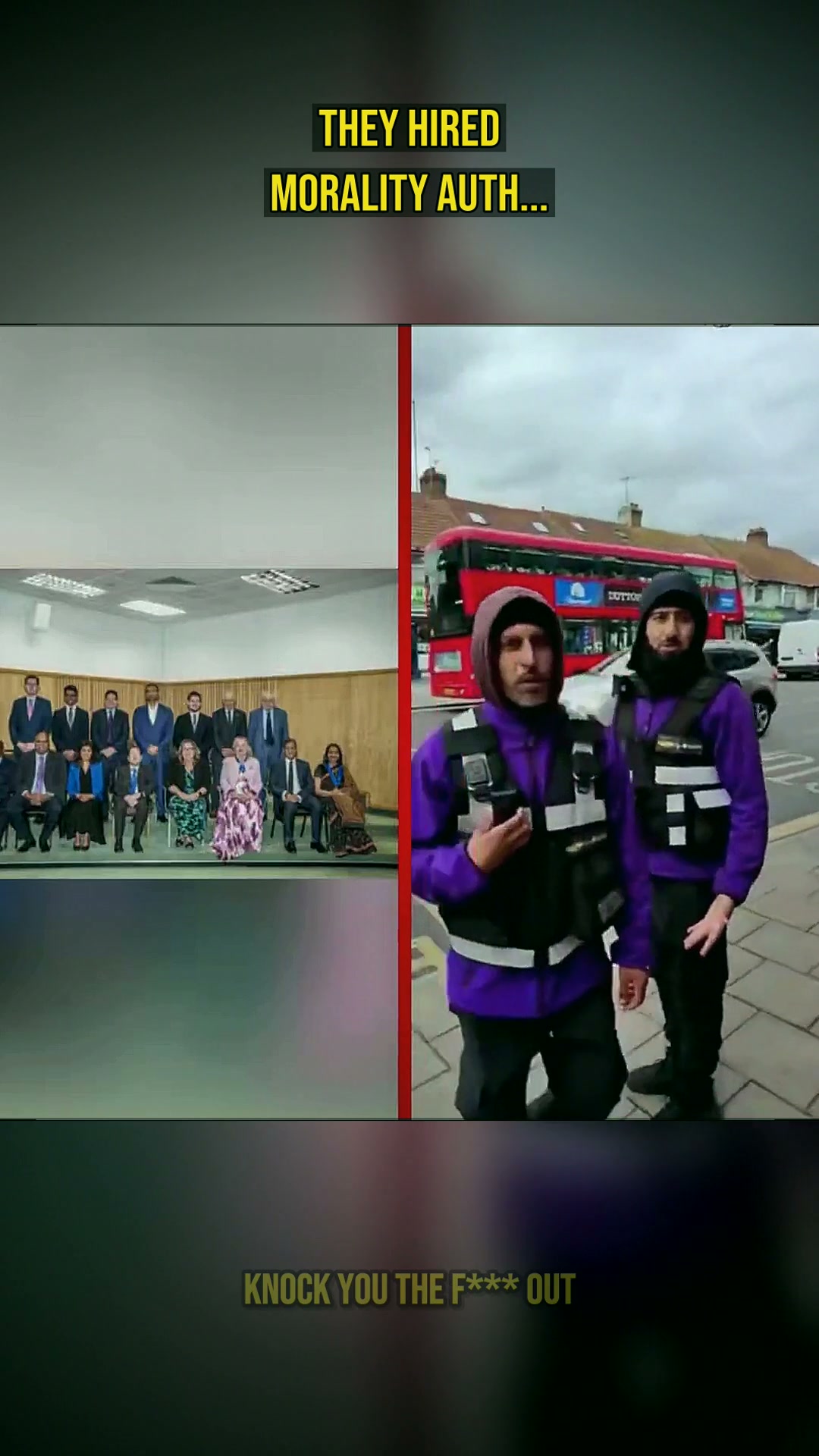
A municipal dress code, a religious objection, and the termination that’s forcing courts to answer one uncomfortable question — who owns your body on the clock?
Imagine clocking in for another routine shift, only to be handed a garment you never agreed to wear — and a choice that isn’t really a choice at all. Wear it, or lose your paycheck. For one female employee in the town of Harro, that ultimatum wasn’t hypothetical. It was a termination letter waiting to happen.
The town council — a Muslim-majority body governing a municipality with a significant Muslim population — passed a mandate requiring all female employees to cover their heads while on duty. The policy was framed as a matter of workplace uniformity and cultural alignment. For non-Muslim women on the payroll, it landed like a wrecking ball.
One worker said no. She was fired. And now the entire arrangement is barreling toward a legal reckoning that could redefine what employers can and cannot demand of the people who work for them.

The Legal Precedent: Where Private Rules Clash With State Civil Codes
Here’s the uncomfortable truth that labor attorneys are already circling: an employer’s right to set workplace rules is not unlimited. It collides head-on with state civil rights statutes the moment those rules impose a substantial burden on an employee’s religious exercise.
Under the federal Civil Rights Act and its state-level counterparts, employers are generally required to provide reasonable accommodations for an employee’s sincerely held religious beliefs — unless doing so would cause undue hardship to the business. The burden of proof sits with the employer, not the worker.
“The moment a government body mandates religious attire for its employees, it stops being a dress code and starts being a constitutional problem.”
Legal analysts note that the Harro case sits at a particularly volatile intersection: a public employer, a religiously coded mandate, and a worker whose own faith tradition does not require head covering. That combination is a magnet for litigation.
- Did the town council document any attempt at a reasonable accommodation before terminating the employee?
- Can a public municipality legally impose religious attire requirements on non-adherent employees without violating state civil codes?
- What back pay, reinstatement, or damages exposure does the town now face if the termination is ruled unlawful?
The worker’s termination wasn’t just a personnel decision. It was a signal — to every other employee in that building — that compliance with the majority’s religious preference is a condition of employment.

Civil Liability and Business Codes: Hidden Legal Risks for Local Venues
What makes the Harro situation so dangerous for the town isn’t just the individual termination. It’s the precedent. Once a municipal employer establishes that religious attire can be mandated, every other public accommodation in the jurisdiction faces a new legal standard — and a new target for complaints.
Employment attorneys say the damages exposure in cases like this can spiral fast. Back pay, front pay, compensatory damages for emotional distress, and attorney’s fees can easily climb into six figures. For a small-town budget, that’s a financial earthquake.
And the reputational cost is just as brutal. Workers talk. They post. They file with state labor boards. A single termination over a headscarf can trigger a wave of complaints that no HR department is staffed to handle.
Similar civil confrontations across the country are forcing community leaders and local venues to confront serious liability under state regulations. Explore the full legal breakdown of related incidents →
Consumer Protection and Financial Fallout: What Precedent Does This Set?
Strip away the politics and what’s left is a straightforward worker rights question that every American employee should be paying attention to: can your boss dictate what you wear on your body as a condition of your paycheck?
The answer, in most jurisdictions, is — not when it burdens your sincerely held religious beliefs without a documented, good-faith accommodation process. The Harro town council appears to have skipped that step entirely.
“If this termination stands, every employer in the state just got a permission slip to weaponize dress codes against workers who don’t fit the majority’s mold.”
Employment law experts point out that the financial fallout extends far beyond the individual plaintiff. Municipal insurance carriers are already flagging these cases as high-risk. Premiums rise. Coverage tightens. Taxpayers foot the bill.

Meanwhile, the fired worker is left navigating a labor market that punishes people who file complaints. Her name is now attached to a case that will follow her through every background check and interview for years.
The town council has not publicly detailed what accommodation — if any — was offered before the termination. That silence is where the liability lives. And it’s growing every day the case remains unresolved.
For every worker watching this unfold, the message is unmistakable: document everything. Keep every email. Save every policy memo. Because when an employer decides your body is negotiable, the only thing standing between you and a pink slip is a paper trail.
The courts haven’t ruled yet. But the clock is ticking — and the town of Harro may soon discover that a dress code vote is a lot cheaper than the lawsuit it produces.