The Quiet Rebellion: How One Neighborhood’s Fight Against Predatory Towing Became a Blueprint for Community Resilience
When private property rules collide with public trust, ordinary Americans are discovering that their strongest defense is each other.
Imagine stepping outside your front door on a Tuesday morning, coffee in hand, only to find an empty space where your car used to be. No warning. No phone call. Just a business card taped to your mailbox with a phone number and a fee that makes your stomach drop.
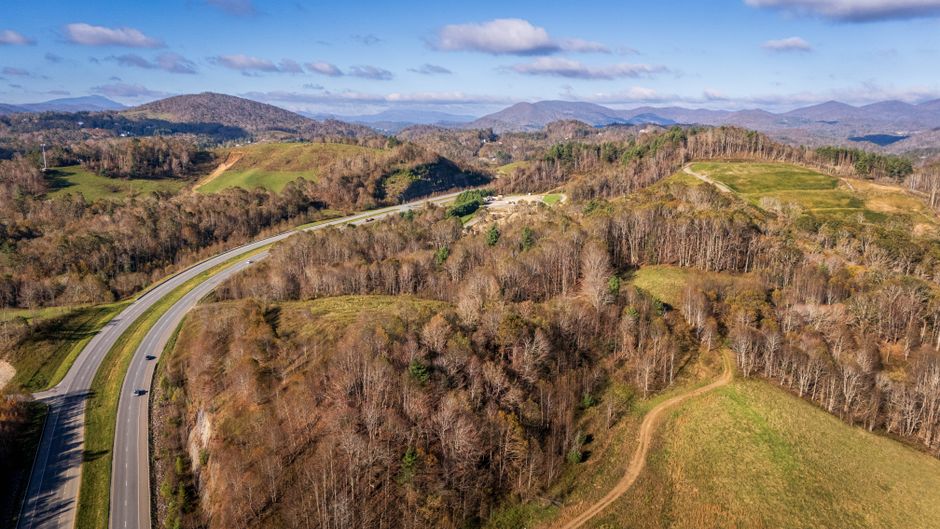
That scenario has become an unwelcome reality for residents across Western North Carolina, where a quiet pattern of vehicle removals from private property has turned neighbors into investigators, and parking lots into legal battlegrounds.
What started as isolated complaints has evolved into something far more significant: a grassroots movement of ordinary people documenting, sharing, and pushing back against what they describe as an aggressive and confusing system of private enforcement.
The Legal Precedent: Where Private Rules Clash With State Civil Codes
Here is where the story gets complicated. In North Carolina, the authority to remove vehicles from private property does not rest with a single agency. It is a patchwork of state statutes, local ordinances, and private contracts that most residents never see until it is too late.
Property owners can authorize towing under specific conditions. But those conditions require signage, documentation, and a level of transparency that critics say is frequently ignored.
The confusion is not accidental. It is structural. When accountability is spread across multiple agencies, nobody owns the problem. And when nobody owns the problem, the people who suffer are the ones with the least power to fight back.
- Who bears ultimate legal responsibility when private towing operations exceed their authority on residential property?
- Are current state civil codes sufficient to protect homeowners from unauthorized vehicle removal?
- What recourse exists for residents who cannot afford the legal fees required to challenge a wrongful tow?
For families living paycheck to paycheck, a surprise tow fee of several hundred dollars is not an inconvenience. It is a crisis. It means missed work, missed appointments, and a financial hole that takes months to climb out of.
Civil Liability and Consumer Protection: The Hidden Costs of Silence
What makes this story resonate far beyond Western North Carolina is the uncomfortable truth it exposes about consumer protection in America. Most people assume that if something unfair happens, there is a system in place to fix it.
“We followed every rule. We parked where we were told to park. And we still lost our car for three days. Nobody would tell us who authorized it or why.”
That frustration is the fuel driving this community’s response. Instead of waiting for a solution from above, residents began documenting everything. Photos. Timestamps. License plates. Conversations with property managers. They built a shared record that transformed individual complaints into a collective case.

This is where the human story becomes something more powerful than a legal dispute. It becomes a story about what happens when people realize that their voice, amplified by others, carries more weight than any single complaint filed alone.
Similar civil confrontations across the country are forcing community leaders and local venues to confront serious liability under state regulations. Explore the full legal breakdown of related incidents →
Constitutional Boundaries and the Enforcement of Public Accommodation
The deeper issue here is not just about towing. It is about the boundaries between private authority and public accountability. When a private operator acts with the force of law but without the oversight of law enforcement, where does the citizen turn?
Legal experts note that while property owners have rights, those rights do not exist in a vacuum. State civil codes impose requirements designed to prevent exactly the kind of confusion and abuse that Western North Carolina residents are now describing.
But requirements on paper mean nothing without enforcement. And enforcement requires someone to care enough to act.
That is where this community has found its answer. Not in a single court ruling or a dramatic legal victory, but in the quiet, persistent work of neighbors who refused to accept that their only option was to pay and stay silent.

The outcome of this particular dispute remains unresolved. No sweeping policy change has been announced. No operator has been formally sanctioned. The cars still get towed. The fees still get charged.
But something has shifted. Residents who once felt powerless now share information daily. They know their rights. They know the statutes. They know that the only thing more dangerous than a confusing system is a community that has learned to navigate it together.
And for the operators who assumed that silence and confusion would protect them, the message from Western North Carolina is unmistakable: these neighbors are watching, documenting, and waiting.
The next tow truck that rolls through may find that the quietest communities are the ones that remember everything.