Inside the Bronx Operation: What Justice Looks Like When Federal Action Lands on Your Block
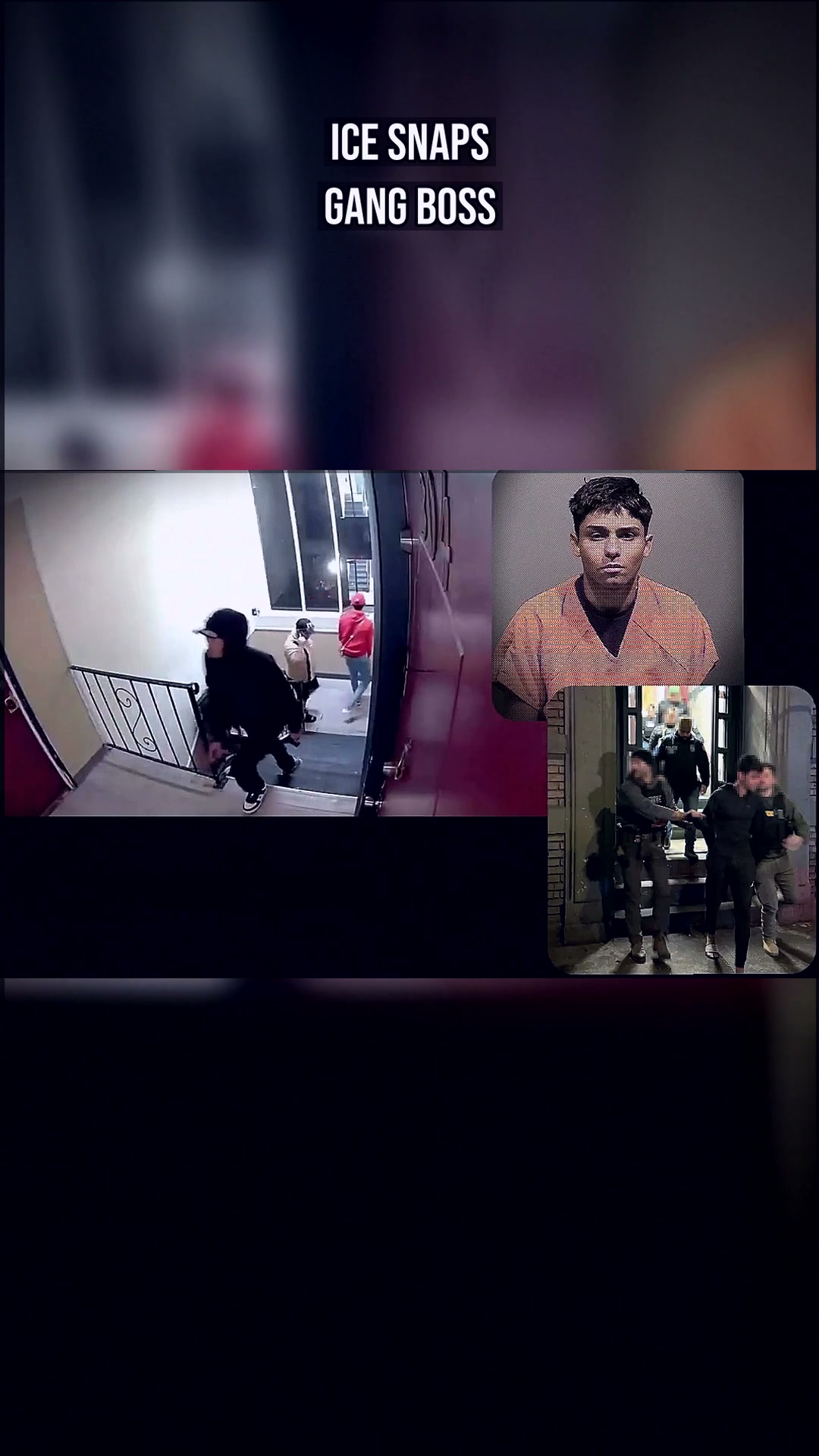
A pre-dawn enforcement action in one New York neighborhood is forcing residents to confront the real-world mechanics of accountability, legal follow-through, and who gets help when the system comes knocking.
Imagine waking up before sunrise to the sound of vehicles idling outside your building. No knock. No warning call. Just the quiet hum of an operation already in motion on your street. That was the reality for residents of a Bronx neighborhood earlier this morning, when federal immigration authorities moved through the area in what officials described as a targeted enforcement action.
The details remain sparse. What is confirmed is that the operation happened. What is not confirmed is who was taken, why, and under what specific legal authority. And for the families left standing on the sidewalk in the cold, those unanswered questions are the whole story.
This is where the conversation usually goes sideways. People pick a side, shout past each other, and move on. But the harder question, the one that actually matters for anyone living in a neighborhood like this one, is simpler: what happens next? Who is accountable? And what does justice even look like when the machinery of enforcement arrives without a roadmap for the people left behind?
The Legal Precedent: Where Federal Enforcement Authority Meets Local Community Rights
Federal immigration operations operate under a specific statutory framework. Administrative warrants, judicial warrants, and the distinction between the two matter more than most people realize. A judicial warrant signed by a judge carries different legal weight than an administrative document issued by an agency.
That distinction is not a technicality. It is the difference between a lawful entry and a legal dispute that can be challenged in court. Attorneys who handle these cases say the paperwork is often the first thing they ask about, because it determines whether the person detained has grounds to contest the action.
“The warrant is everything. If it is administrative, the legal footing is different. If it is judicial, the conversation changes entirely. Most people do not know which one they are looking at until it is too late.”
For Bronx residents, that gap in knowledge is not abstract. It is the difference between knowing your rights in the moment and finding out about them weeks later from a detention center phone call.
- What specific legal authority was cited for each detention, and were judicial warrants involved or only administrative documents?
- Do the individuals taken have access to legal representation, and what is the timeline for a bond hearing or court appearance?
- What obligations do local agencies and landlords have when federal operations occur on private property without prior notice?
Civil Liability and Community Resources: The Safety Net Most People Do Not Know Exists
Here is what rarely gets reported. There is an entire infrastructure of legal aid organizations, rapid response networks, and family support services operating in New York City specifically for moments like this one. The problem is that most people do not know they exist until they need them.
Know-your-rights hotlines. Detention locator services. Emergency guardianship paperwork for parents taken into custody while their children are at school. These are not hypothetical resources. They are active, funded, and staffed. But they only work if someone picks up the phone.

The financial fallout is equally brutal. A detained individual may lose wages immediately. Rent comes due regardless. Children miss school. The economic shock ripples through an entire household within seventy-two hours.
Community organizations in the Bronx have been quietly preparing for this. Know-your-rights trainings. Family preparedness plans. Emergency contact cards distributed through churches, schools, and bodegas. The infrastructure exists. The question is whether it reaches the people who need it in time.
Similar civil confrontations across the country are forcing community leaders and local venues to confront serious liability under state regulations. Explore the full legal breakdown of related incidents →
Consumer Protection and Financial Fallout: What Precedent Does This Set for Affected Families?
The aftermath of an operation like this one does not end when the vehicles leave. It ends in courtrooms, in immigration hearings, and in the quiet negotiations between landlords and tenants who suddenly cannot pay rent.
Advocates point to a pattern. Families that secure legal representation within the first forty-eight hours have dramatically different outcomes than those who do not. Bond is granted more often. Deportation defense is stronger. Reunification happens faster.
“The system is not designed to be fair on its own. It is designed to move fast. The only thing that slows it down is a lawyer who knows what they are doing and a community that refuses to let a family disappear into the process.”
That is the uncomfortable truth sitting underneath this morning’s headlines. Accountability is not automatic. Justice is not a given. Both require people who know the rules, know the resources, and refuse to look away.

For the families on that Bronx block, the next few days will determine everything. Court dates. Legal filings. Phone calls to numbers they did not know existed yesterday. And a community watching to see whether the system delivers anything resembling fairness, or just paperwork.
Because the vehicles always leave. The question is what they leave behind.