Accountability After the Raid: How Communities Fight for Justice When Federal Enforcement Comes to Town
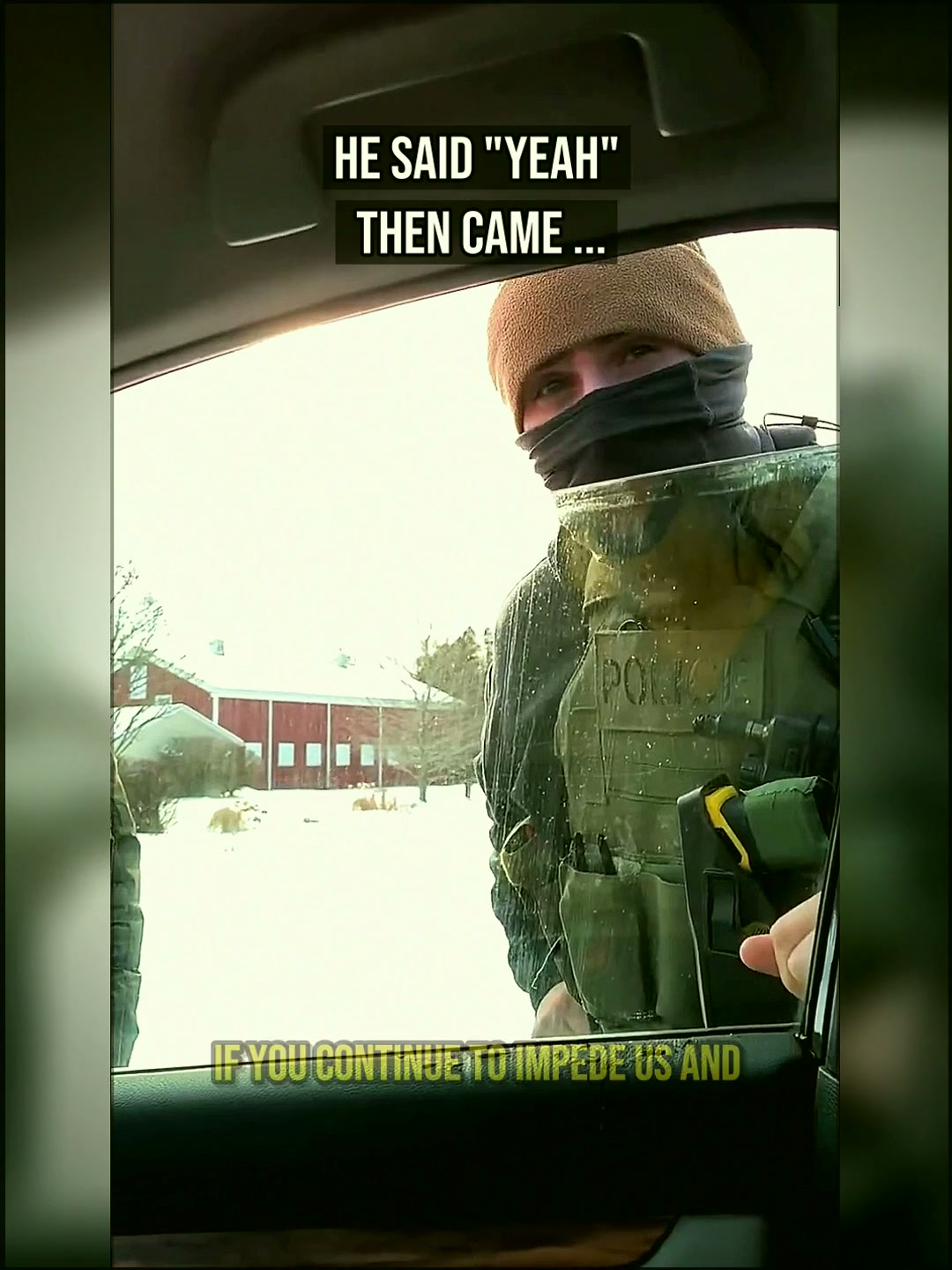
Victim rights groups, legal aid networks, and local officials are quietly building a playbook for what happens after the cameras leave — and the stakes for ordinary families are enormous.
Imagine a knock at 6 a.m. on a Tuesday. No warrant slid under the door. No name given. Just a demand, a raised voice, and the sudden, terrifying realization that your entire life is now a legal question mark. That is the reality playing out in neighborhoods across the country — and what happens in the 72 hours after that knock is where the real battle for justice begins.
Witnesses describe a pattern that repeats with unnerving consistency. Federal agents arrive in unmarked vehicles. They refuse to identify themselves. They issue verbal warnings that residents interpret as a direct concern for their safety and the safety of their children. And then, just as quickly as they arrived, they are gone — leaving behind shattered families and a tangle of unanswered legal questions.
The most chilling part? Most of the people targeted had no criminal record, no pending charges, and no idea they were even on anyone’s radar.

The Legal Precedent: Where Federal Enforcement Authority Clashes With State Civil Codes
Here is where things get legally explosive. Federal agents operate under a different set of rules than local authorities — and that gap is exactly where civil rights attorneys are now focusing their fire.
Under long-standing legal doctrine, federal officers enjoy qualified immunity for actions taken within the scope of their duties. But that protection is not absolute. When agents fail to identify themselves, fail to produce a judicial warrant, or issue verbal warnings that residents reasonably interpret as a concern for their physical safety, the legal ground shifts dramatically.
Immigration attorneys say the single biggest mistake families make is waiting. Waiting to see if charges appear. Waiting to find out if they need an attorney. Waiting for someone to tell them what to do. By the time they act, critical evidence — door camera footage, witness contact information, medical records — is already gone.
“The system is not designed to help you after the fact. It is designed to move on. If you do not document what happened in the first 48 hours, you are already behind — and you may never catch up.”
That quote comes from a legal aid coordinator in a major metropolitan area who has handled dozens of these cases. She asked not to be named because of the sensitivity of ongoing litigation. But her message to affected families is blunt: the window for accountability closes faster than anyone expects.
Civil Liability and Community Resources: The Safety Net Most Families Do Not Know Exists
Here is the part that shocks people the most. There is a safety net. It is just almost impossible to find when you are in crisis.
Across the country, a patchwork of legal aid societies, immigrant rights organizations, faith-based coalitions, and pro bono attorney networks has quietly assembled a rapid-response infrastructure specifically for these situations. They offer free legal consultations, emergency family planning, know-your-rights training, and — critically — documentation assistance to preserve evidence before it disappears.

- Can federal agents legally enter a home without a judicial warrant — and what recourse do families have if they do?
- What civil claims can be filed against individual agents versus the federal government, and which path actually produces results?
- Why are so few affected families filing claims within the legal window, and what does that mean for future accountability?
The problem is not a lack of resources. The problem is a lack of connection. Families in crisis do not know where to turn, and the organizations that could help them are often underfunded, understaffed, and operating below the radar.
Local officials in some jurisdictions are now stepping into that gap. City councils have passed resolutions directing municipal employees to refrain from assisting federal civil enforcement. School districts have trained staff on how to respond if agents arrive on campus. Libraries and community centers have become de facto information hubs.
But none of that replaces what families actually need: a lawyer, a plan, and a paper trail.
Similar civil confrontations across the country are forcing community leaders and local venues to confront serious liability under state regulations. Explore the full legal breakdown of related incidents →
Consumer Protection and Financial Fallout: What Precedent Does This Set for Ordinary Families?
Follow the money and the picture gets even darker.
When a primary earner is detained or deported, the financial shockwave hits immediately. Rent goes unpaid. Utility bills stack up. Children are pulled from childcare because there is no one to pick them up. Bank accounts are drained by legal fees that families never anticipated.

Consumer protection attorneys point out that families in these situations are uniquely vulnerable to predatory actors — notario fraud, fake immigration consultants, and debt collectors who smell blood in the water. In some states, attorneys general have issued warnings about scams targeting families with pending immigration matters.
And here is the precedent that should terrify every American household: the legal doctrines being tested in these cases will shape how federal enforcement operates for a generation. If courts uphold broad immunity for agents who refuse to identify themselves, that standard will not stay confined to immigration cases. It will apply to every federal enforcement action — tax, regulatory, environmental, and beyond.
“This is not just about one family, one door, one morning. This is about what kind of country we are building for the next thirty years. And right now, the blueprint is being written in courtrooms most people will never hear about.”
The organizations on the front lines are not waiting for the courts to decide. They are documenting every incident. They are training volunteers to serve as legal observers. They are building databases of agent conduct that will be used in future litigation.
But they cannot do it alone. The families who need them most are often the hardest to reach — afraid, isolated, and convinced that nothing they do will make a difference.
That fear is the most powerful tool in the enforcement arsenal. And until ordinary Americans understand exactly what rights they have, exactly what resources exist, and exactly how short the accountability window is, the pattern will keep repeating.
The next knock could be on any door. The only question is whether the person behind it knows what to do in the first five minutes — or whether they will spend the next five years wishing they had.