The Human Cost of London’s Street Violence: A Community Fighting to Be Heard

Behind the headlines and political blame games, ordinary Londoners are living through a reality that feels increasingly unrecognizable
- Residents across London report a growing sense of unease as street incidents become more visible
- Community members are stepping up where formal systems feel slow to respond
- The human story behind the statistics is one of resilience, fear, and a desperate need for connection
Imagine walking down a street you have known your entire life. The same shops. The same faces. The same route you take every single morning without a second thought. Then, in an instant, everything changes. The sounds are not the ones you expect. The scene unfolding before you is not something you can unsee.
This is the reality for a growing number of people in London. Not a distant headline. Not a statistic buried in a report. A moment that arrives without warning and leaves a mark that never fully fades.
The conversation around public safety in the city has become a political football. Names get thrown around. Blame gets assigned. But for the people actually living on those streets, the debate feels miles away from the ground truth.
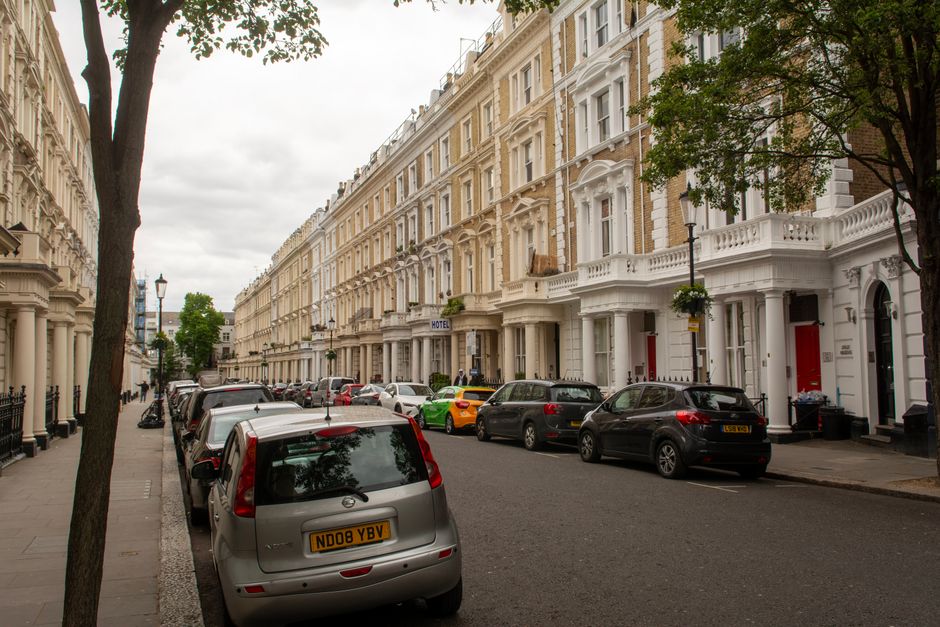
When the Familiar Becomes Foreign
There is a particular kind of unease that settles in when the place you call home starts to feel unpredictable. It is not something that shows up on a map or gets measured in a government report. It is the hesitation before you leave your front door. The way you scan a crowd without thinking. The instinct to keep your head down.
Longtime residents describe a shift that happened gradually, then all at once. The corner where kids used to play. The bus stop where neighbors exchanged small talk. These places still exist, but the feeling around them has changed.
“You do not stop loving your neighborhood. You just start loving it differently. With one eye open.”
That sentiment captures something that numbers cannot. The attachment remains. The pride remains. But the ease is gone, replaced by a vigilance that never quite switches off.

A Community That Refuses to Look Away
What is striking in conversations with residents is not the fear. It is the refusal to surrender to it. Neighbors check on each other more often. Community groups organize where formal channels feel inadequate. People document what they see, not out of paranoia, but out of a sense that someone, somewhere, needs to pay attention.
This is not a story about a city giving up. It is a story about people who care deeply about where they live and are exhausted by the feeling that their concerns are being dismissed or politicized.
The human story here is not about politics. It is about the mother who walks her child to school a different way now. The shopkeeper who installed a camera he never thought he would need. The teenager who knows exactly which streets to avoid after dark.
These are not dramatic tales. They are quiet adjustments. And they add up to something profound: a community adapting in real time to circumstances it never asked for.
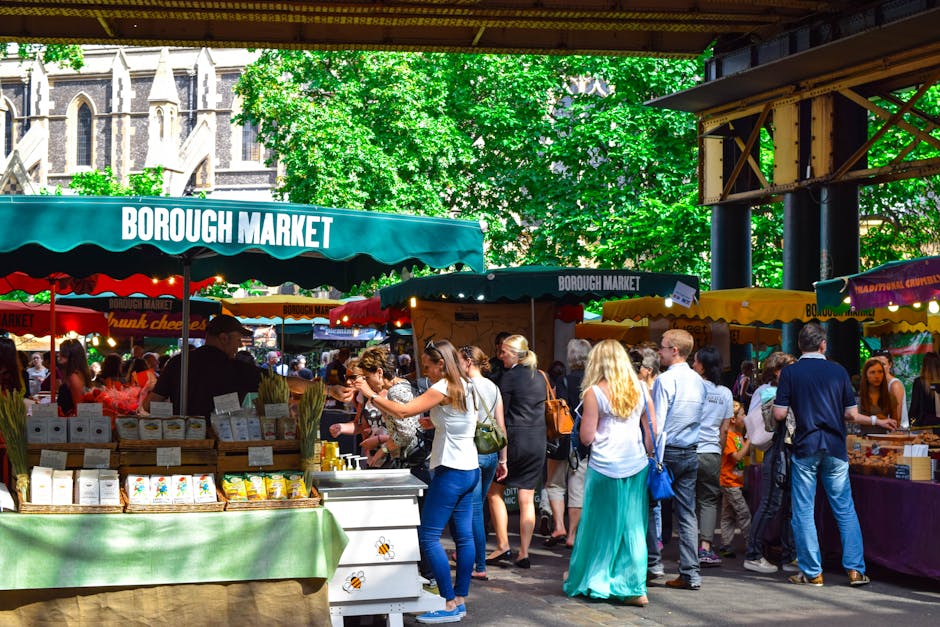
What Resilience Actually Looks Like
Resilience is not a buzzword. It is the neighbor who organizes a watch group. It is the stranger who stops to help when something goes wrong. It is the refusal to let fear dictate the terms of daily life.
But resilience has limits. And the people bearing the weight of these circumstances know that better than anyone. They are not asking for sympathy. They are asking for the basic expectation that their streets should be safe, their concerns should be taken seriously, and their community should not have to carry this alone.
“We are not asking for much. We are asking to feel safe in the place we call home.”
The frustration is not abstract. It is personal. It is the feeling that the people making decisions have never had to think twice about walking to the corner shop. That the policies being debated will never touch their own front doors.
Meanwhile, the community keeps going. Not because it is easy. Because there is no alternative. Because leaving is not an option for most. Because this is home.
And home, even when it feels fragile, is still worth fighting for.
The question that lingers is not whether Londoners will endure. They will. The question is how much more they will be asked to endure before the people in power decide that their voices are worth listening to.
Until then, the streets stay busy. The neighbors stay watchful. And the stories keep piling up, one quiet adjustment at a time.